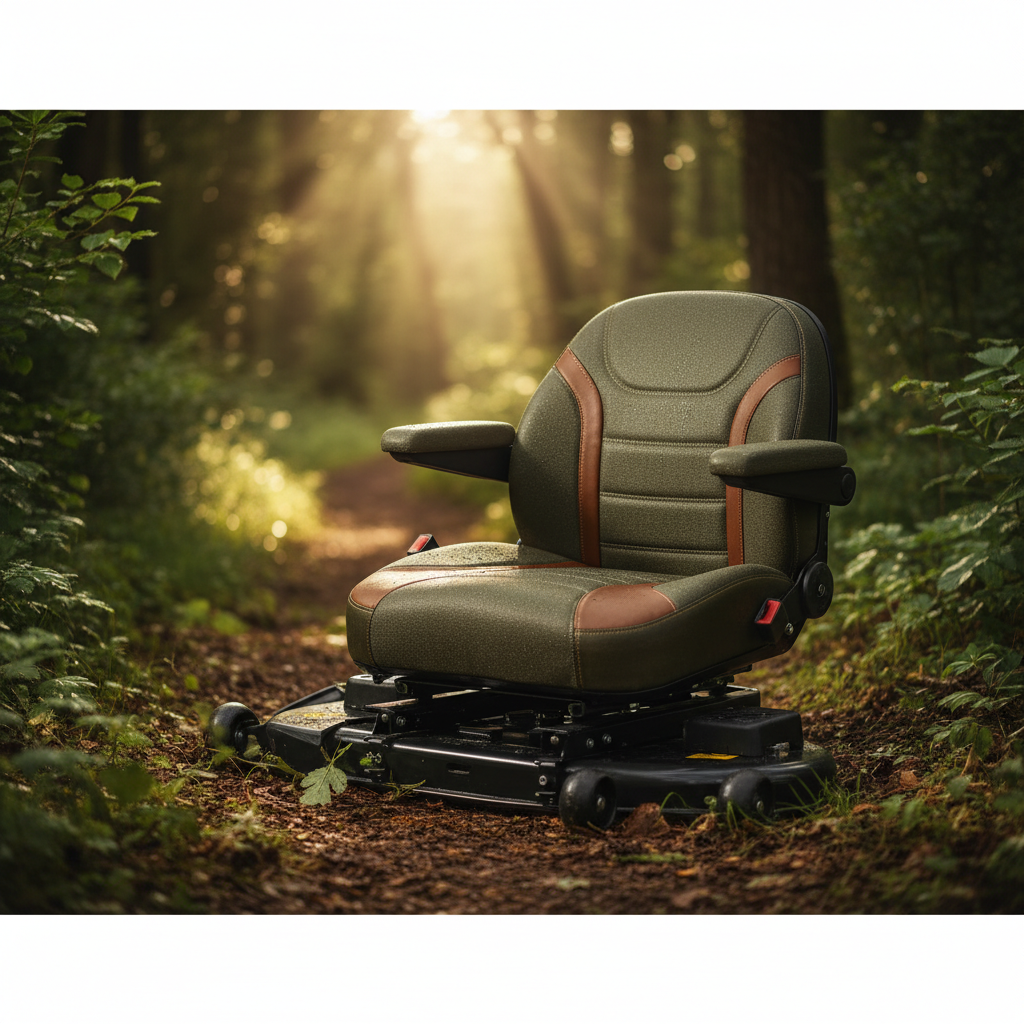
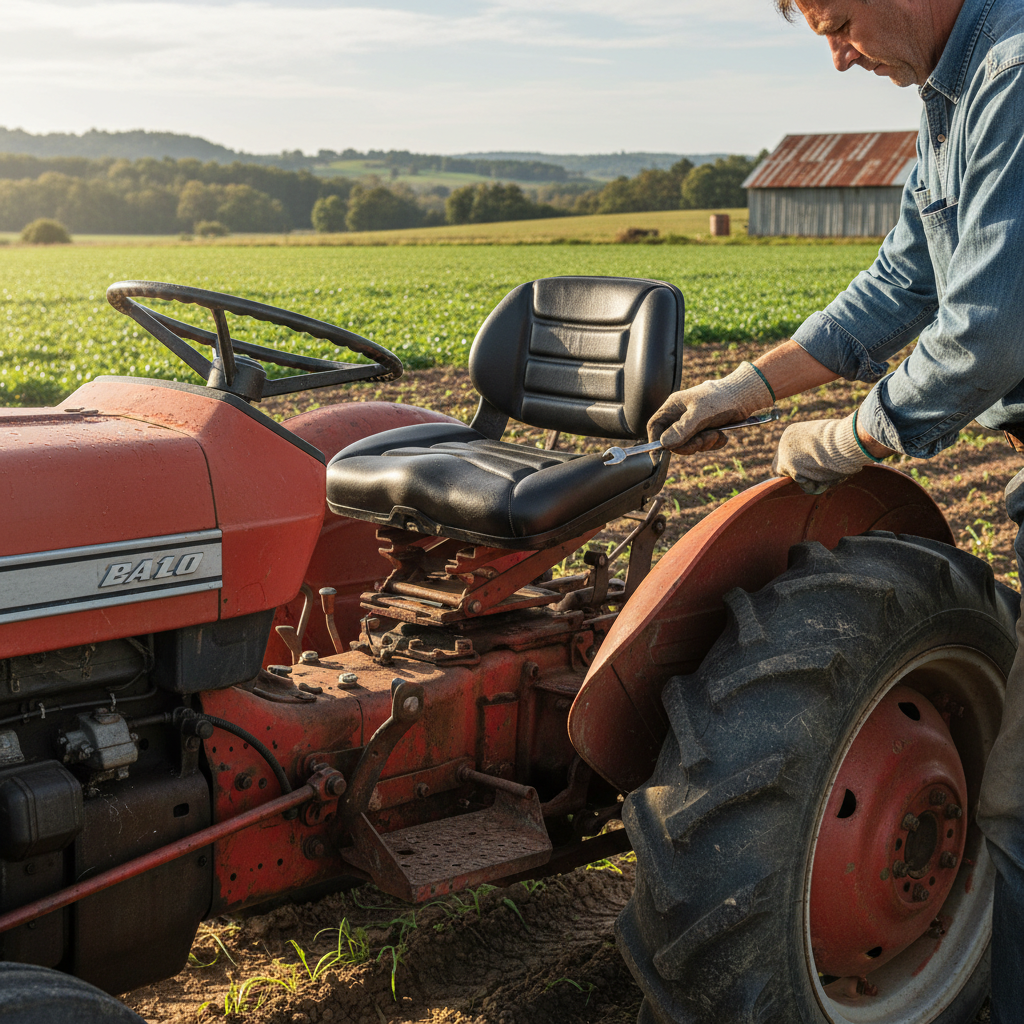
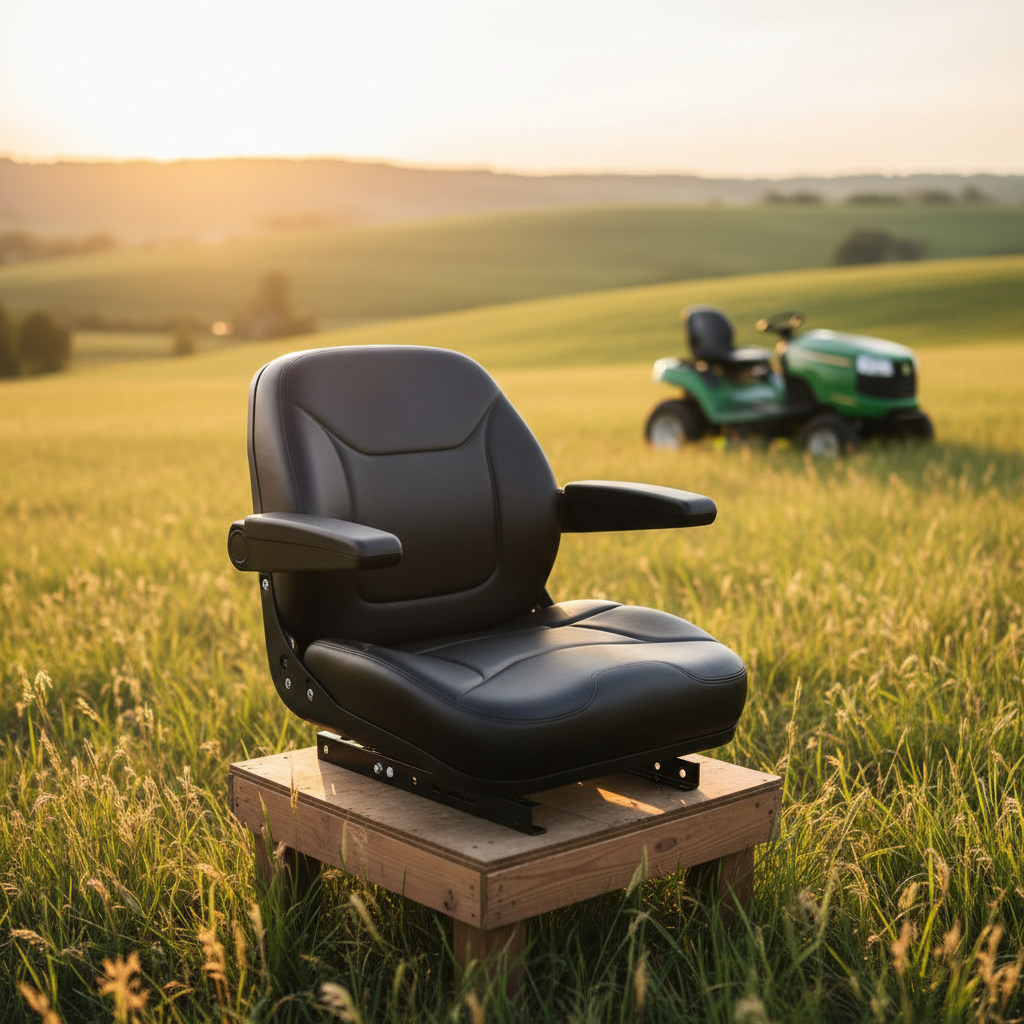
Investing in a high back tractor seat is more than just a matter of comfort; it is a critical decision that impacts operator health, productivity, and long-term machinery efficiency. In the demanding environment of modern agriculture and industrial hauling, the interface between the human operator and the machine determines how much work can be accomplished without causing physical fatigue or chronic injury.
Across the globe, the shift toward precision farming and heavy-duty industrial applications has highlighted the need for ergonomic excellence. A high back tractor seat provides the essential lumbar and thoracic support required for operators who spend ten to fourteen hours a day in the cab, reducing the risk of musculoskeletal disorders that frequently plague the agricultural sector.
By understanding the engineering behind these seating solutions, fleet managers and individual farmers can significantly lower operational downtime. This guide explores the technical specifications, global applications, and future innovations of the high back tractor seat, ensuring you make an informed choice for your equipment.
The Global Importance of Ergonomic Tractor Seating
In the global agricultural landscape, the physical toll on operators is a growing concern. According to various occupational health studies, vibration-induced fatigue and poor posture are leading causes of early retirement in the farming sector. The introduction of the high back tractor seat addresses these challenges by stabilizing the spine and reducing the impact of whole-body vibration (WBV), which is often regulated by ISO 2631 standards.
From the vast plains of North America to the intensive rice paddies of Southeast Asia, the demand for durable, high-support seating is skyrocketing. As machinery becomes larger and more powerful, the disparity between machine capability and human endurance widens, making the seat the most critical point of contact for maintaining operator alertness and safety.
Defining the High Back Tractor Seat Architecture
A high back tractor seat is a specialized piece of equipment designed to provide comprehensive support for the entire back, extending from the lower lumbar region up to the shoulders. Unlike standard seats, the high back architecture is engineered to distribute the operator's weight evenly, preventing the concentration of pressure on the tailbone and lower vertebrae during long shifts of uneven terrain navigation.
Beyond simple height, these seats integrate advanced materials such as high-density memory foam, breathable fabrics, and reinforced steel frames. The primary goal is to create a "cradle" effect that locks the operator in a neutral posture, minimizing the micro-movements that lead to muscle strain when the tractor hits a bump or changes incline.
In the context of modern industry, this seating is no longer a luxury but a requirement for compliance with health and safety regulations. By integrating suspension systems—either mechanical or pneumatic—the high back design works in tandem with the chassis to isolate the human body from the harsh shocks of the field.
Core Components and Engineering Factors
The durability of a high back tractor seat depends heavily on its frame construction. Industrial-grade steel or reinforced polymers ensure that the seat does not deform under the weight of the operator over years of continuous use, maintaining the intended ergonomic angles.
Suspension is the heart of the system. Most premium high back tractor seat models utilize air-suspension technology, allowing the operator to adjust the damping level based on their weight and the roughness of the terrain, effectively neutralizing vertical accelerations.
Finally, the upholstery material plays a crucial role in thermal regulation. Advanced vinyls and perforated fabrics are used in the high back tractor seat to prevent heat buildup, ensuring that the operator remains cool and focused even in tropical climates or during peak summer harvests.
Performance Metrics and Comparison
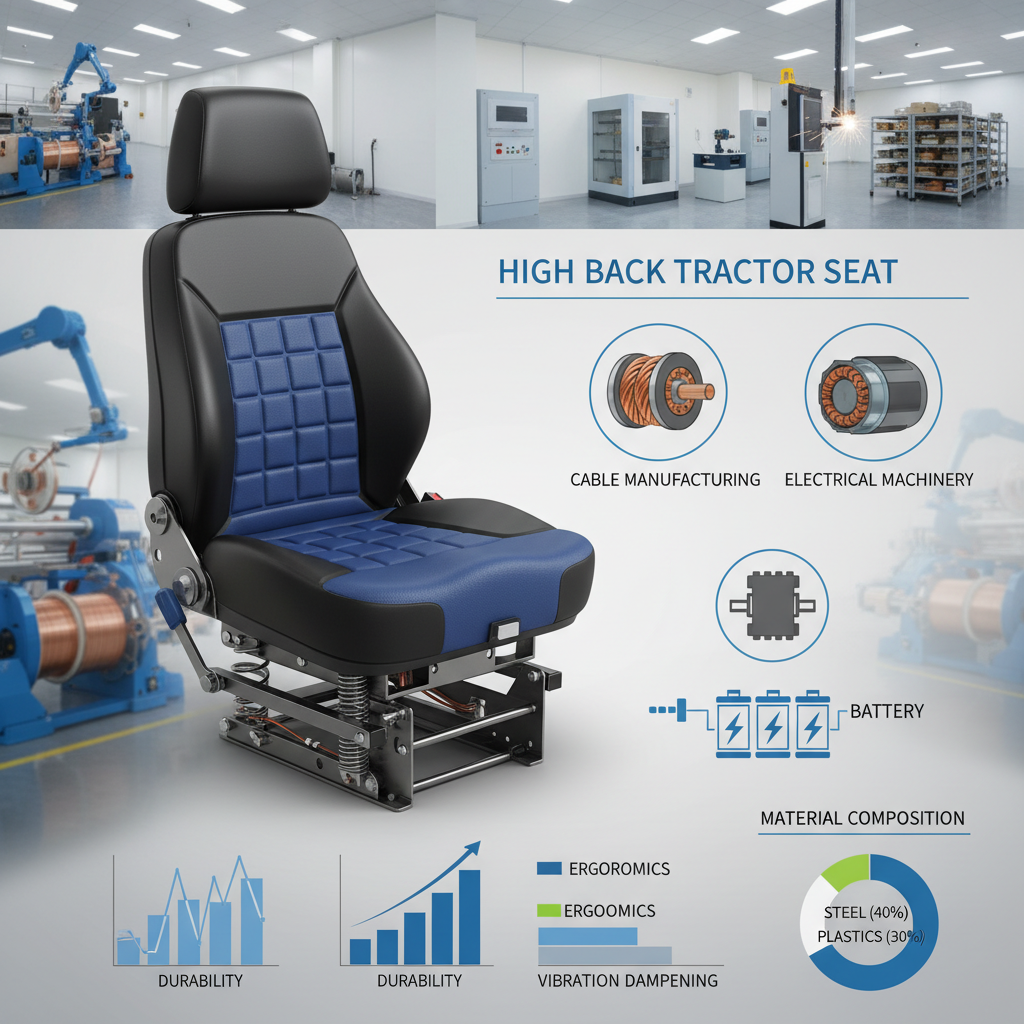
When evaluating different seating options, it is essential to look at the balance between support, vibration dampening, and adjustability. A high back tractor seat is typically rated based on its ability to reduce Whole-Body Vibration (WBV) and its capacity for lumbar customization, which directly correlates to reduced operator fatigue.
Comparing traditional low-back seats with high-back alternatives reveals a significant difference in "time-to-fatigue." Operators using high-back systems report a higher capacity for sustained concentration and a lower incidence of lower-back pain after 8-hour shifts.
Comparative Performance of High Back Tractor Seat Configurations
Real-World Global Applications
In large-scale commercial farming operations in Brazil and the US Midwest, the high back tractor seat is standard equipment. These regions utilize massive tractors for planting and harvesting, where the sheer size of the machine generates significant inertia and vibration; without high-back support, operators would face extreme physical strain.
Beyond agriculture, these seats are utilized in remote industrial zones for heavy-duty hauling and forestry. In rugged environments like the Canadian wilderness or Australian outback, the ability of a high back tractor seat to protect the operator from jarring impacts during off-road transport is a critical safety feature that prevents acute spinal injuries.
Long-Term Value and Operator Safety
The logical value of upgrading to a high back tractor seat is found in the reduction of medical costs and labor turnover. When operators feel supported and physically safe, their job satisfaction increases, and the likelihood of long-term disability claims decreases, providing a clear return on investment for the fleet owner.
From an emotional perspective, providing a high-quality seat demonstrates a commitment to the dignity and well-being of the worker. It acknowledges that the operator is the most valuable part of the machine, and their health is paramount to the success of the operation.
Furthermore, the reliability of high-back designs ensures that safety is not compromised. Integrated seatbelts and anti-slip surfaces often accompany these seats, ensuring that the operator remains securely positioned even during steep inclines or sudden stops, reducing the risk of accidents.
Future Trends in Seating Innovation
The future of the high back tractor seat is moving toward "active ergonomics." We are seeing the integration of smart sensors that monitor the operator's posture in real-time and automatically adjust the lumbar support or seat angle to prevent fatigue before it starts.
Sustainability is also playing a larger role, with manufacturers shifting toward biodegradable foams and recycled ocean plastics for upholstery. These "green" seats maintain the high standards of the high back design while reducing the environmental footprint of machinery manufacturing.
As automation and autonomous tractors become more common, the role of the seat is evolving into a monitoring station. The high back tractor seat of the future will likely incorporate haptic feedback systems that alert the operator to machine errors or boundary breaches through subtle vibrations in the backrest.
Comparison of High Back Tractor Seat Technological Generations
| Generation |
Support Mechanism |
Material Focus |
Health Impact Score |
| Legacy Series |
Fixed Foam |
Heavy Vinyl |
4/10 |
| Mechanical Era |
Spring Suspension |
PU Foam |
6/10 |
| Air-Ride Standard |
Pneumatic Bellows |
Breathable Mesh |
8/10 |
| Ergo-Dynamic |
Adjustable Lumbar |
Memory Foam |
9/10 |
| Smart Seat v1 |
Active Dampening |
Eco-Polymer |
9.5/10 |
| AI-Integrated |
Predictive Adjustment |
Bio-Based Fabrics |
10/10 |
FAQS
The primary advantage is the comprehensive support for the thoracic and lumbar regions. While low back seats only support the base of the spine, a high back tractor seat stabilizes the entire upper body, significantly reducing muscle fatigue and preventing the "slumping" posture that leads to long-term spinal compression and chronic pain during long operating hours.
Mechanical suspension is durable and low-maintenance, suitable for lighter duties or shorter shifts. However, for professional agricultural use, air-suspension is highly recommended. It allows for precise weight adjustment and superior vibration dampening, which is essential for protecting the operator's health over years of use on uneven ground.
Yes, most high back tractor seats are designed with universal mounting brackets or adapter plates. However, it is important to verify the clearance in your cab to ensure the higher backrest does not interfere with the ROPS (Roll-Over Protective Structure) or other cabin components. Professional installation is recommended to ensure stability.
For air-suspension seats, you should check for leaks and calibrate the pressure every 6 months or at the start of the planting season. Mechanical seats should be lubricated and the springs inspected for wear annually. Regular maintenance ensures the high back tractor seat continues to provide optimal vibration isolation.
Absolutely. Modern high back tractor seats feature a wide range of adjustability, including sliding seat pans, adjustable lumbar depth, and tilt functions. This allows the seat to be tailored to the specific anthropometric needs of the operator, ensuring that the support hits the correct anatomical points regardless of height or weight.
For extreme heat and humidity, perforated vinyl or specialized breathable fabrics are best as they allow airflow. For cold, wet environments, high-grade waterproof synthetic leathers are preferred. Ensure the high back tractor seat you choose has UV-resistant coating to prevent the material from cracking under intense sunlight.
Conclusion
The implementation of a high back tractor seat is a strategic investment in the most critical component of any farming operation: the operator. By combining advanced suspension technology, ergonomic spinal support, and durable materials, these seats solve the pervasive problem of operator fatigue and occupational injury. From improving daily productivity to ensuring long-term health, the benefits of a high-back design far outweigh the initial cost.
As we move toward an era of smarter, more sustainable agriculture, the focus on the human-machine interface will only grow. We encourage fleet owners and farmers to prioritize ergonomic upgrades to safeguard their workforce and maximize the efficiency of their machinery. To explore the best seating solutions for your equipment, visit our website: www.changshuokj.com.