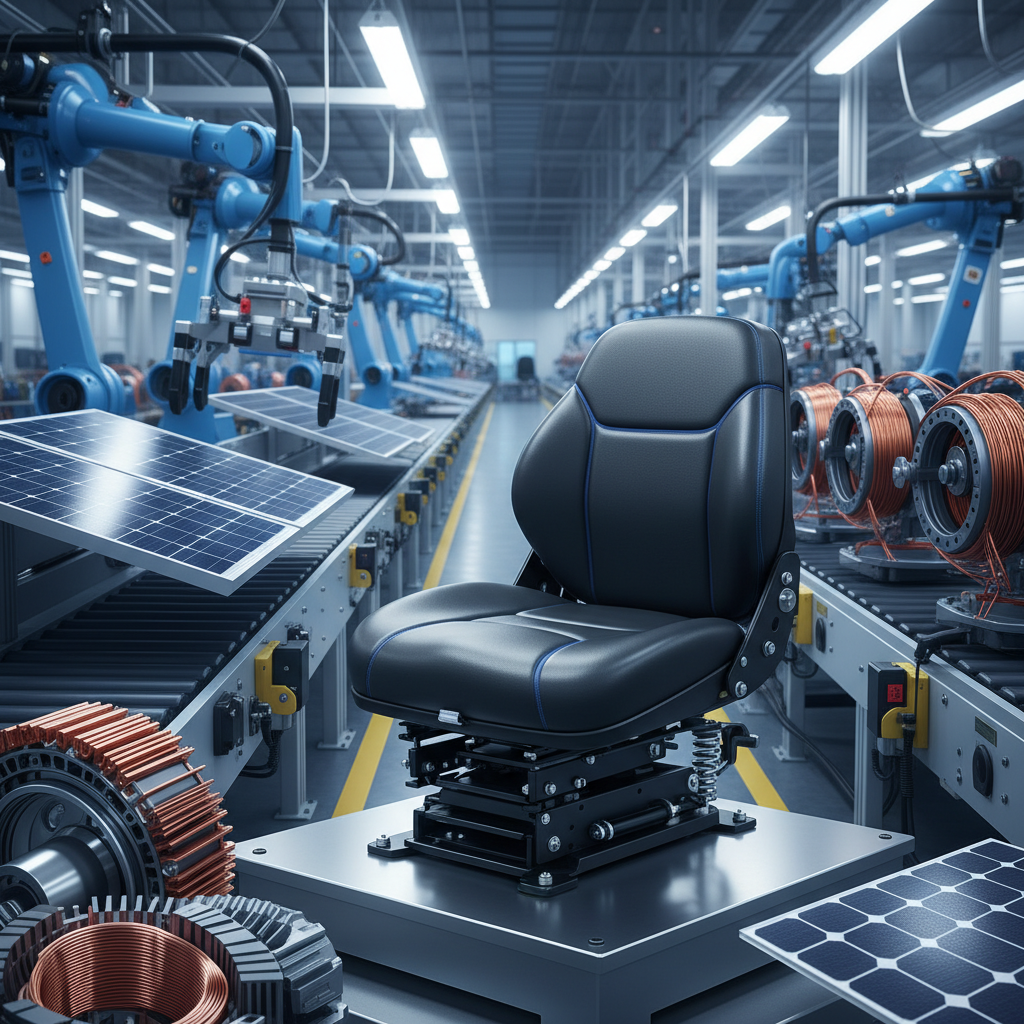
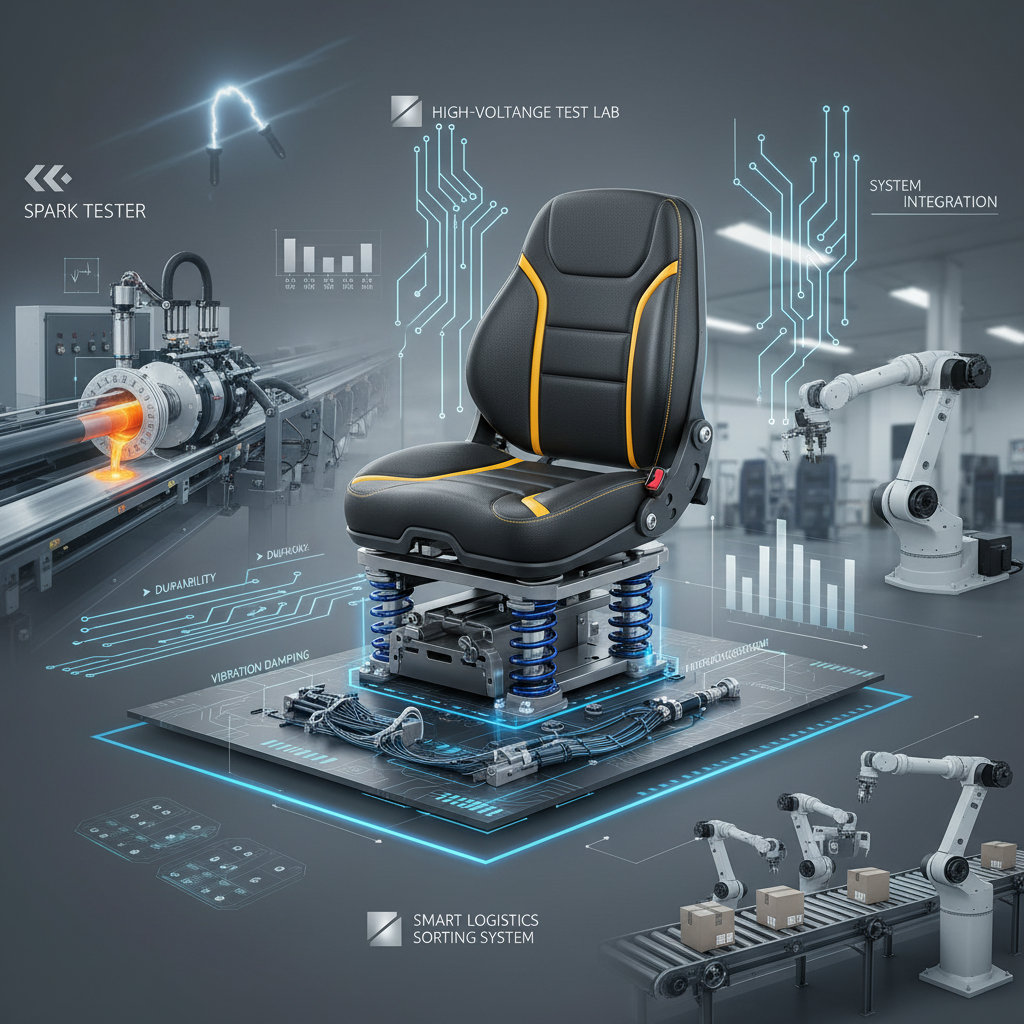
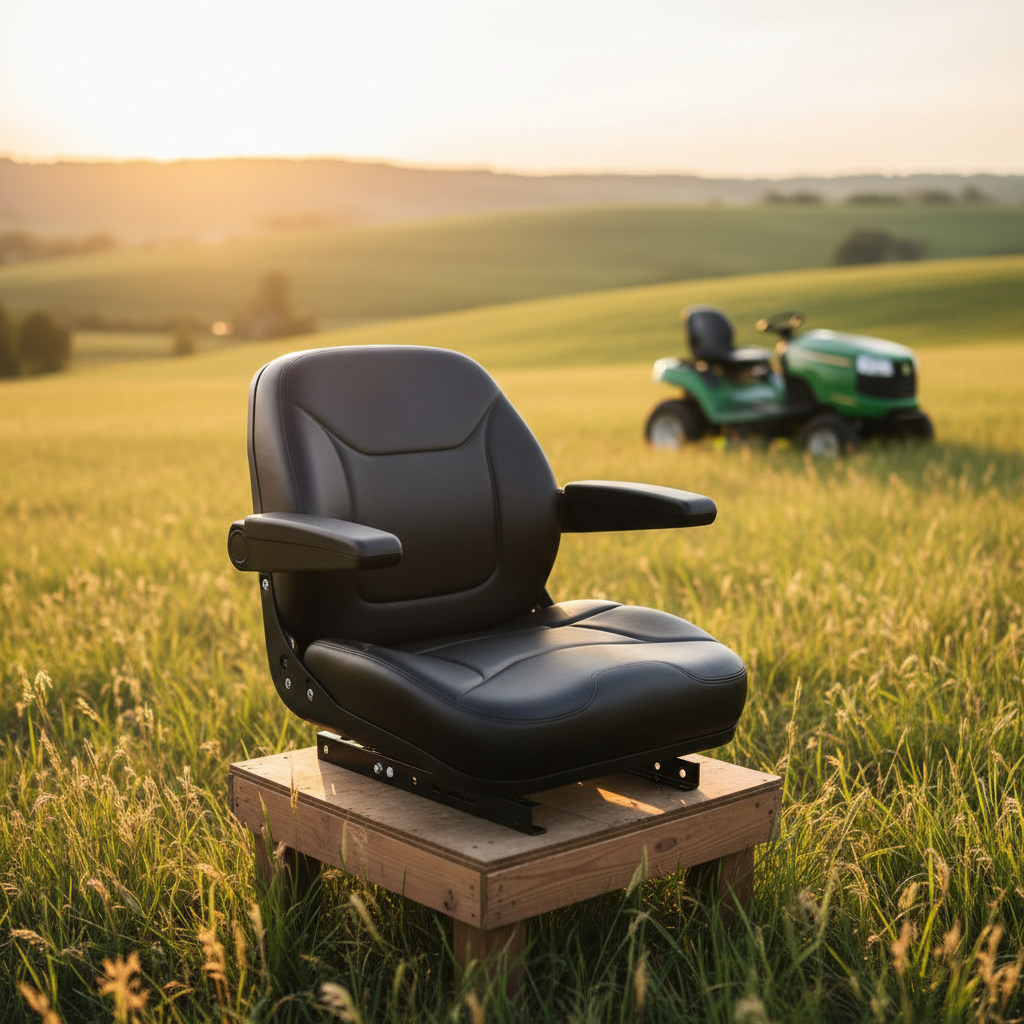
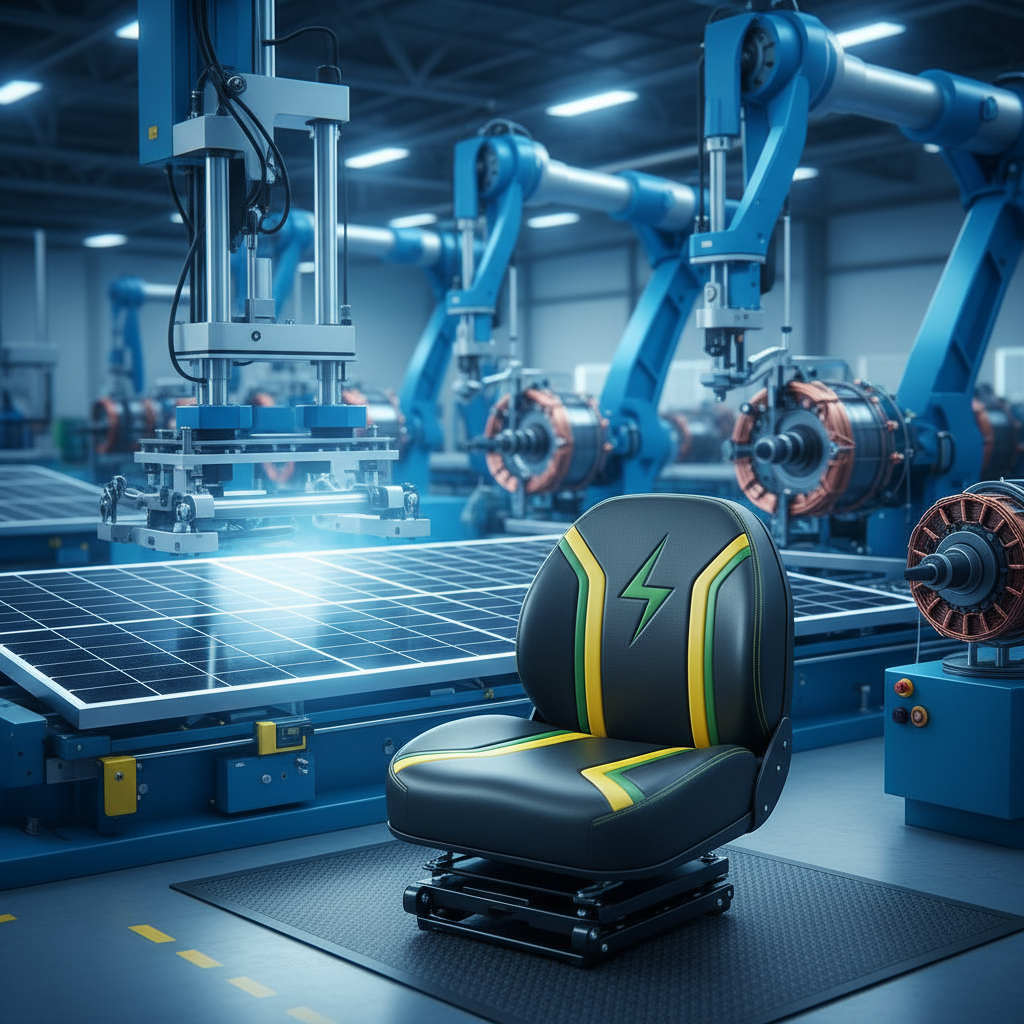
Selecting the right compact tractor seat is more than a matter of comfort; it is a critical decision that impacts operator health, productivity, and overall machine efficiency. In the demanding world of agricultural and landscaping work, the interface between the operator and the machine determines how many hours a person can work effectively without succumbing to fatigue or chronic back pain.
Globally, the shift toward smaller, more versatile machinery has increased the demand for specialized seating solutions that can handle high-frequency vibrations in tight spaces. A high-quality compact tractor seat integrates ergonomic support with durable materials, ensuring that the operator remains alert and physically supported regardless of the terrain or the duration of the task.
Understanding the technical nuances of these seats—from suspension systems to weather-resistant upholstery—allows farm owners and fleet managers to maximize their investment. By prioritizing ergonomic design, users can significantly reduce the risk of long-term musculoskeletal disorders, making the operation of compact machinery both safer and more sustainable.
Global Industry Context of Compact Tractor Seats
The global agricultural machinery market has seen a significant pivot toward "compact" solutions to serve urban farming, boutique vineyards, and professional landscaping services. According to industry trends aligned with ISO standards for operator safety, the vibration levels in smaller tractors can often be more jarring than in larger, heavier machines due to the shorter wheelbase. This creates a pressing need for a compact tractor seat that can mitigate Whole-Body Vibration (WBV).
In regions like North America and Europe, where occupational health and safety regulations are stringent, the quality of the operator's seat is no longer viewed as a luxury but as a regulatory necessity. The challenge lies in fitting advanced suspension and lumbar support into a limited footprint without compromising the machine's agility or the operator's ease of ingress and egress.
Defining the Modern Compact Tractor Seat
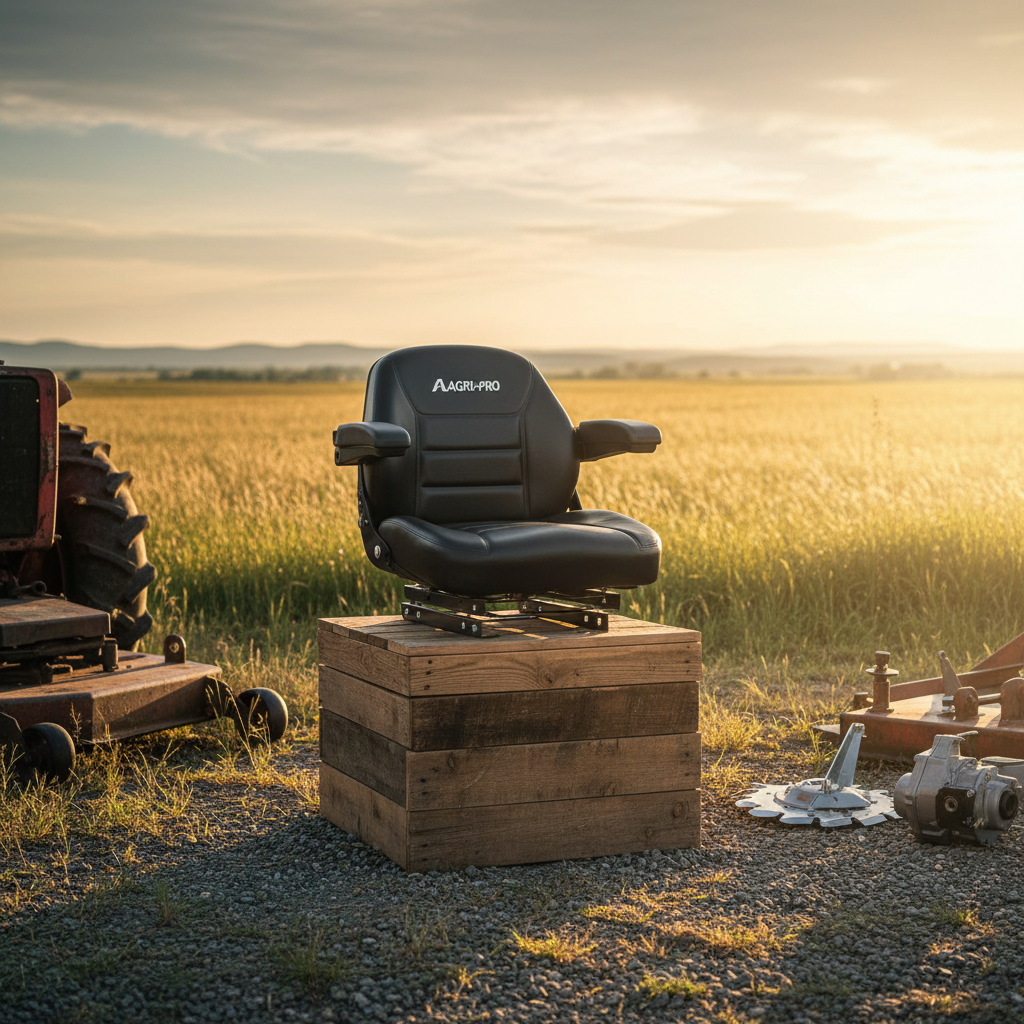
At its core, a compact tractor seat is a specialized piece of industrial furniture engineered to support a human operator during the operation of small-scale utility tractors. Unlike a standard chair, it must withstand extreme weather, chemical exposure from fertilizers, and constant mechanical oscillation, all while providing precise positioning for the operator to reach pedals and levers.
Modern iterations of these seats have evolved from simple metal pans to complex ergonomic systems. They now incorporate high-density foam, adjustable sliding rails, and mechanical or air-suspension bases that isolate the driver from the chassis's jarring movements. This evolution is driven by the humanitarian need to reduce workplace injuries and improve the quality of life for farmers.
Beyond the physical structure, these seats are designed to be compatible with a wide range of compact tractor models, ensuring that whether the machine is used for mowing, hauling, or tilling, the operator remains securely positioned. The integration of safety switches—which prevent the tractor from starting unless the seat is occupied—further blends mechanical comfort with operational safety.
Core Components for Maximum Durability
The durability of a compact tractor seat begins with the selection of the outer shell and upholstery. High-grade vinyl or reinforced polymers are typically used to repel water and resist UV degradation, preventing the material from cracking under the harsh sun of open-air operation.
Central to the seat's longevity is the suspension mechanism. Whether it is a heavy-duty spring system or a pneumatic bladder, the suspension must be capable of absorbing repeated shocks. A failure in this component not only reduces comfort but transmits harmful energy directly to the operator's spine, increasing the risk of chronic fatigue.
Finally, the mounting hardware and adjustment levers are crafted from corrosion-resistant alloys. Given that these seats are often exposed to moisture and soil, the use of galvanized steel or powder-coated finishes ensures that the compact tractor seat remains adjustable and secure over years of rigorous field use.
Key Performance Factors in Ergonomic Design
Ergonomics in a compact tractor seat revolves around the concept of "neutral posture." This means the seat is designed to support the natural curve of the spine, reducing the muscular effort required to stay upright. Key factors include adjustable lumbar support, seat pan depth, and the angle of the backrest, which together prevent the "slumping" effect common during long workdays.
Furthermore, weight distribution is critical. A well-designed seat spreads the operator's weight evenly across the thighs and buttocks, preventing pressure points that restrict blood flow. This logical approach to design ensures that the operator remains focused on the task at hand, reducing the likelihood of accidents caused by discomfort or distraction.
Performance Comparison of Compact Tractor Seat Types
Global Applications and Real-World Use Cases
The application of a high-quality compact tractor seat extends far beyond traditional farming. In urban landscaping across Asia and Europe, these seats allow operators to navigate narrow garden paths and municipal parks for eight hours a day without suffering from lower back strain. The agility of the compact tractor, paired with a supportive seat, enables precise work in confined environments.
In more extreme contexts, such as post-disaster relief operations where compact tractors are used for debris removal in ruined residential zones, the reliability of the seat is paramount. Operators often work in high-stress, high-vibration environments where a failing seat could lead to rapid exhaustion. In these scenarios, a ruggedized, shock-absorbing seat is not just about comfort—it is about maintaining the operational capacity of the rescue team.
Long-Term Value and Operator Safety
Investing in a premium compact tractor seat provides tangible long-term value by reducing "down-time." When an operator is in pain, their efficiency drops, and the risk of operational errors increases. By eliminating these physical stressors, fleet owners see a direct correlation between ergonomic seating and increased daily acreage covered.
From a safety perspective, a secure and well-fitted seat ensures that the operator remains in the optimal position to react to emergencies. If a seat is worn out or lacks proper lateral support, the operator may shift during a sudden turn or incline, potentially leading to a loss of control. Thus, the seat acts as a primary safety interface.
Moreover, there is an emotional dimension to this investment. Providing operators with high-quality equipment demonstrates a commitment to their well-being and dignity. This builds trust and loyalty within the workforce, as workers feel valued when their physical health is prioritized through the provision of professional-grade ergonomic equipment.
Future Innovations in Seating Technology
The future of the compact tractor seat is being shaped by the digital transformation of agriculture. We are seeing the emergence of "smart seats" equipped with sensors that monitor operator fatigue and posture in real-time. These systems can alert the operator to take a break or automatically adjust the lumbar support to prevent stiffness.
Material science is also playing a huge role. The shift toward sustainable, bio-based polymers and recycled ocean plastics for seat shells is aligning the industry with green energy goals. These new materials are being engineered to be even more breathable and lightweight than traditional vinyl, reducing the heat buildup during summer operations.
As automation and semi-autonomous driving become more common in compact tractors, the seat's role will shift from a purely supportive function to a command center. Future designs will likely integrate haptic feedback systems into the seat cushion, alerting the driver to boundary breaches or obstacle detection through subtle vibrations.
Comparison of Compact Tractor Seat Material and Technology Tiers
| Seat Tier |
Material Composition |
Suspension Type |
Expected Lifespan |
| Economy |
Standard PVC / Steel |
Fixed / Simple Spring |
2-3 Years |
| Professional |
Heavy-duty Vinyl / Alloy |
Mechanical Dampening |
5-7 Years |
| Premium |
UV-Resistant Polymer / Foam |
Pneumatic (Air) |
8-10 Years |
| Industrial |
Reinforced Fabric / Steel |
Hydraulic Shock |
10+ Years |
| Ergo-Elite |
Medical-grade Foam / Alloy |
Adaptive Hybrid |
12+ Years |
| Next-Gen |
Bio-Polymer / Smart Mesh |
Electronic Active |
15+ Years |
FAQS
You should consider a replacement if you notice visible cracks in the upholstery, a loss of cushioning (bottoming out), or if the suspension no longer absorbs shocks. Most importantly, if you experience increased lower back pain after operating your tractor, your current seat is likely no longer providing the necessary ergonomic support.
Generally, yes. Air suspension provides a more customizable ride because it can be adjusted based on the operator's weight, offering superior isolation from vibrations. However, mechanical suspension is often more durable in extremely dirty or abrasive environments where air valves might get clogged or leak.
Many seats are designed as "universal fit" based on standard mounting hole patterns. However, you must always verify the bolt spacing and the height of the base. We recommend checking your tractor's manual or measuring the existing mount points before purchasing to ensure a seamless installation.
The best way to extend the life of your seat is to use a weather-proof seat cover and avoid using harsh chemical solvents for cleaning. Regularly wiping the seat with a damp cloth and applying a UV-protectant spray can prevent the vinyl from drying out and cracking under the sun.
Yes. By reducing physical fatigue and preventing "micro-traumas" to the spine, operators can maintain focus for longer periods. This reduces the number of necessary breaks and minimizes the risk of operator error, leading to higher quality work and faster completion of tasks.
For wet or muddy environments, high-density marine-grade vinyl is the best choice. It is non-porous, meaning it won't absorb water, and it can be easily hosed down. Ensure the seat also has drainage holes in the bottom of the pan to prevent water from pooling.
Conclusion
In summary, the compact tractor seat is a fundamental component that bridges the gap between mechanical power and human capability. By focusing on ergonomic support, high-durability materials, and advanced suspension systems, operators can protect their long-term health while maximizing the efficiency of their machinery. From urban landscaping to heavy-duty agricultural work, the right seat reduces fatigue and enhances safety.
As we move toward an era of smarter, greener farming, the integration of sustainable materials and intelligent monitoring in seating technology will become the new standard. We encourage tractor owners and fleet managers to view seat upgrades not as an expense, but as a strategic investment in their most valuable asset: the operator. For professional-grade seating solutions, visit our website: www.changshuokj.com.