Selecting the right riding mower seat is more than just a matter of comfort; it is a critical factor in operator productivity and long-term spinal health. In the demanding environment of industrial landscaping and agricultural maintenance, the interface between the operator and the machine determines how many hours of efficient work can be performed before fatigue sets in.
Across the global market, the evolution of seating technology has shifted from simple plastic shells to ergonomically engineered systems. As the demand for precision lawn care grows in both residential and commercial sectors, the importance of a durable, weather-resistant, and supportive seating solution has become a priority for fleet managers and homeowners alike.
Understanding the technical nuances of seat materials, suspension systems, and mounting compatibility allows users to maximize the lifespan of their equipment. By investing in a high-quality riding mower seat, operators reduce the risk of vibration-induced strain and ensure a safer, more controlled mowing experience.
Global Industry Context of Riding Mower Seats
The global landscape for outdoor power equipment is witnessing a significant surge, driven by the expansion of urban green spaces and the industrialization of agriculture in developing regions. According to international trade data, the demand for high-performance tractor and mower components has grown as ISO standards for operator safety and ergonomic comfort become more stringent. This shift forces manufacturers to rethink the riding mower seat not as an accessory, but as a safety component.
A primary challenge facing the industry is "Whole-Body Vibration" (WBV), a phenomenon where the mechanical oscillations of the mower are transferred directly to the operator's spine. Without advanced damping in the seating system, long-term exposure can lead to chronic musculoskeletal disorders, reducing the labor force's efficiency and increasing healthcare costs for industrial enterprises.
Defining the Modern Riding Mower Seat
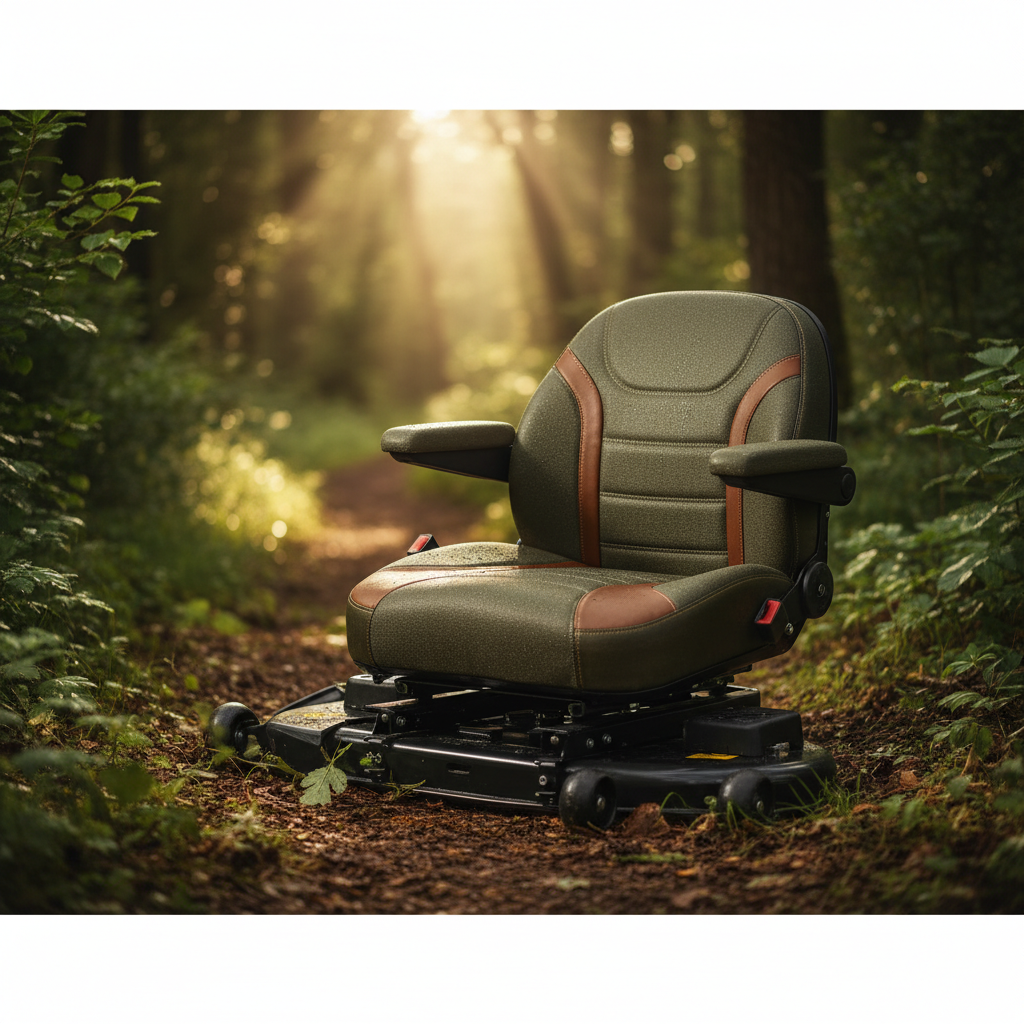
In simple terms, a riding mower seat is the primary ergonomic interface between the operator and the vehicle, designed to support the human body during prolonged periods of machine operation. Unlike standard chairs, these seats must withstand extreme UV exposure, moisture, and the constant physical stress of undulating terrain while maintaining their structural integrity.
Beyond mere cushioning, modern seating connects to the broader needs of the agricultural industry by integrating safety switches—such as operator presence sensors—which automatically shut down blades when the user leaves the seat. This intersection of comfort and safety is what defines the current generation of industrial seating.
From a manufacturing perspective, these components are a blend of polymer chemistry and mechanical engineering. The use of high-density polyethylene (HDPE) and reinforced vinyl ensures that the seat remains waterproof and tear-resistant, catering to the humanitarian need for reliable tools in diverse climatic conditions, from the humid tropics to arid plains.
Key Engineering Factors for Seat Durability
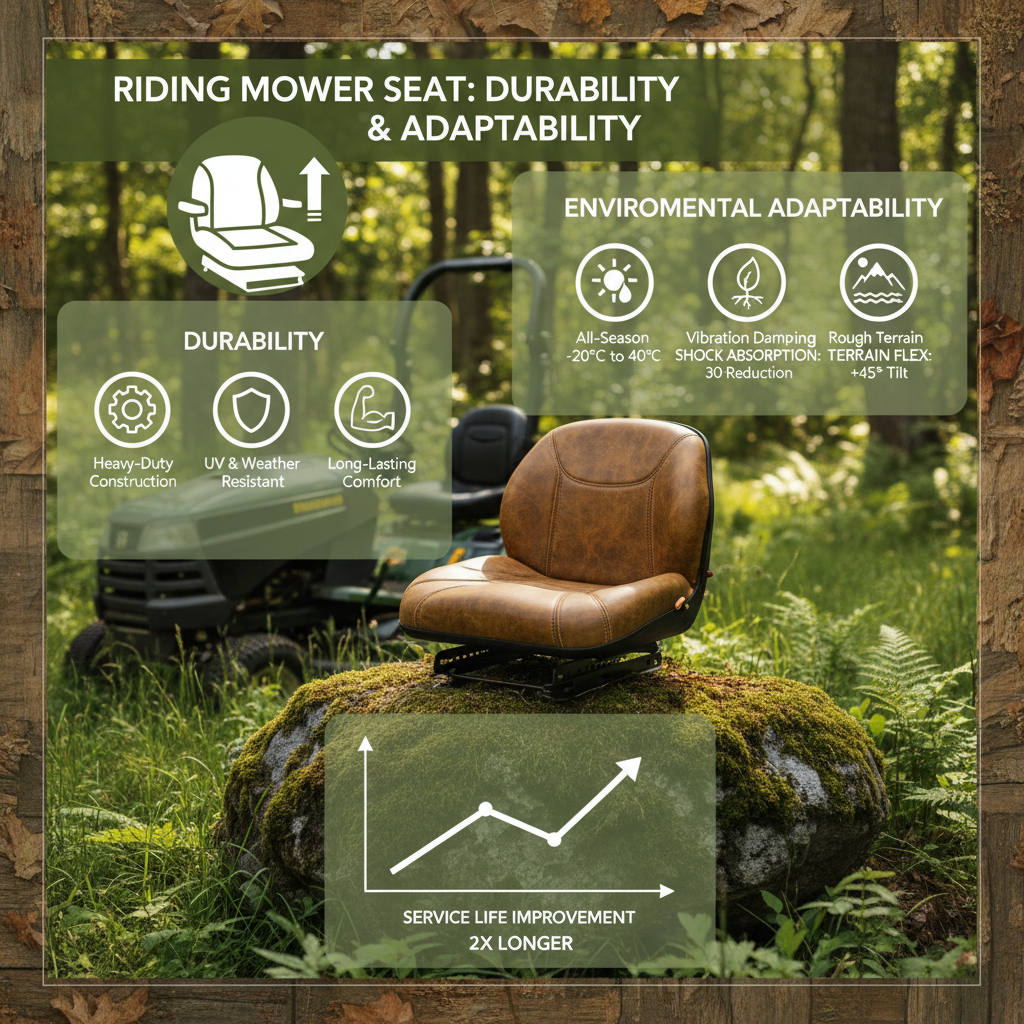
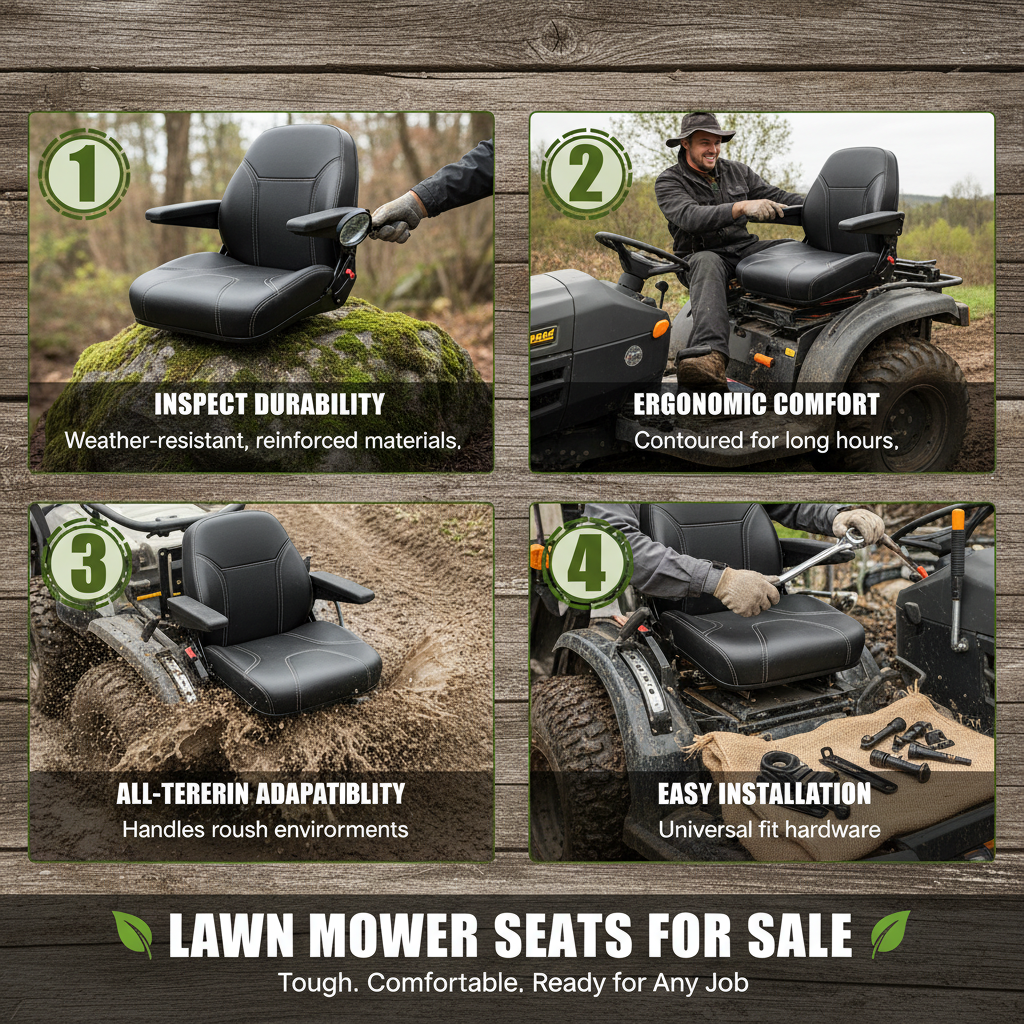
Material Resilience is the first pillar of a quality riding mower seat. The outer shell must resist cracking under intense sunlight and chemical exposure from fertilizers or fuels, ensuring the internal foam remains protected from the elements.
Ergonomic Contouring is essential for distributing weight evenly across the pelvis and thighs. By implementing lumbar support and anatomical sculpting, the seat reduces pressure points that typically lead to operator fatigue, thereby increasing the total operational window per shift.
Suspension and Vibration Damping represent the technical peak of seat design. Whether utilizing mechanical springs or advanced air-ride systems, the goal is to isolate the operator from the high-frequency shocks of the terrain, which is vital for maintaining focus and reducing physical wear on the body.
Global Applications and Use Cases
The application of specialized seating varies significantly by region and industry. In North American commercial landscaping, high-capacity seats with adjustable sliders are preferred to accommodate a diverse workforce. Meanwhile, in European vineyard maintenance, compact and highly maneuverable seats are integrated into narrow-track mowers to ensure stability on slopes.
In remote industrial zones or large-scale government parks, the reliability of the riding mower seat is paramount. For instance, in post-disaster relief operations where land clearing is necessary, ruggedized seats that can be easily cleaned and replaced allow crews to maintain momentum without equipment downtime.
Comparative Performance of Riding Mower Seat Types
Long-Term Value and Operator Benefits
The tangible benefits of upgrading to a professional-grade riding mower seat extend far beyond immediate comfort. From a logical standpoint, a high-quality seat reduces the frequency of replacements, lowering the total cost of ownership (TCO) over the life of the tractor. Additionally, improved ergonomics lead to higher precision in mowing patterns, as the operator is not constantly shifting their weight to alleviate discomfort.
Emotionally, the impact is just as significant. Providing operators with a seat that respects their physical well-being fosters a sense of dignity and trust in the equipment. When a worker feels supported by their gear, their mental fatigue decreases, leading to a safer work environment and a higher standard of quality in the final landscape finish.
Future Trends in Seating Innovation
The future of riding mower seating is leaning heavily toward "Smart Ergonomics." We are seeing the integration of pressure-sensing fabrics that can alert a fleet manager via a digital dashboard if an operator has been in a static position for too long, suggesting a break to prevent deep vein thrombosis or muscle stiffness.
Sustainability is also driving material innovation. New bio-based polymers and recycled ocean plastics are being tested to create seats that are as durable as traditional plastics but with a significantly lower carbon footprint. This aligns with the broader industry trend toward green energy and carbon-neutral agricultural practices.
Furthermore, the rise of autonomous mowers is shifting the focus. While the operator may not be present 100% of the time, the seats are being designed for "intermittent high-intensity use," where the focus shifts toward extreme weatherproofing and rapid-entry designs for quick manual overrides.
Common Challenges and Expert Solutions
One of the most persistent challenges is the "sinking" effect, where the internal foam loses its elasticity after a few seasons of heavy use. Experts recommend transitioning to multi-density foam layers, which provide a soft top layer for immediate comfort and a firmer base layer for long-term structural support.
Another common issue is the degradation of the seat cover due to UV radiation. The solution lies in the application of UV-stabilized coatings and the use of marine-grade vinyl, which reflects a higher percentage of thermal radiation, keeping the seat cool during summer operations.
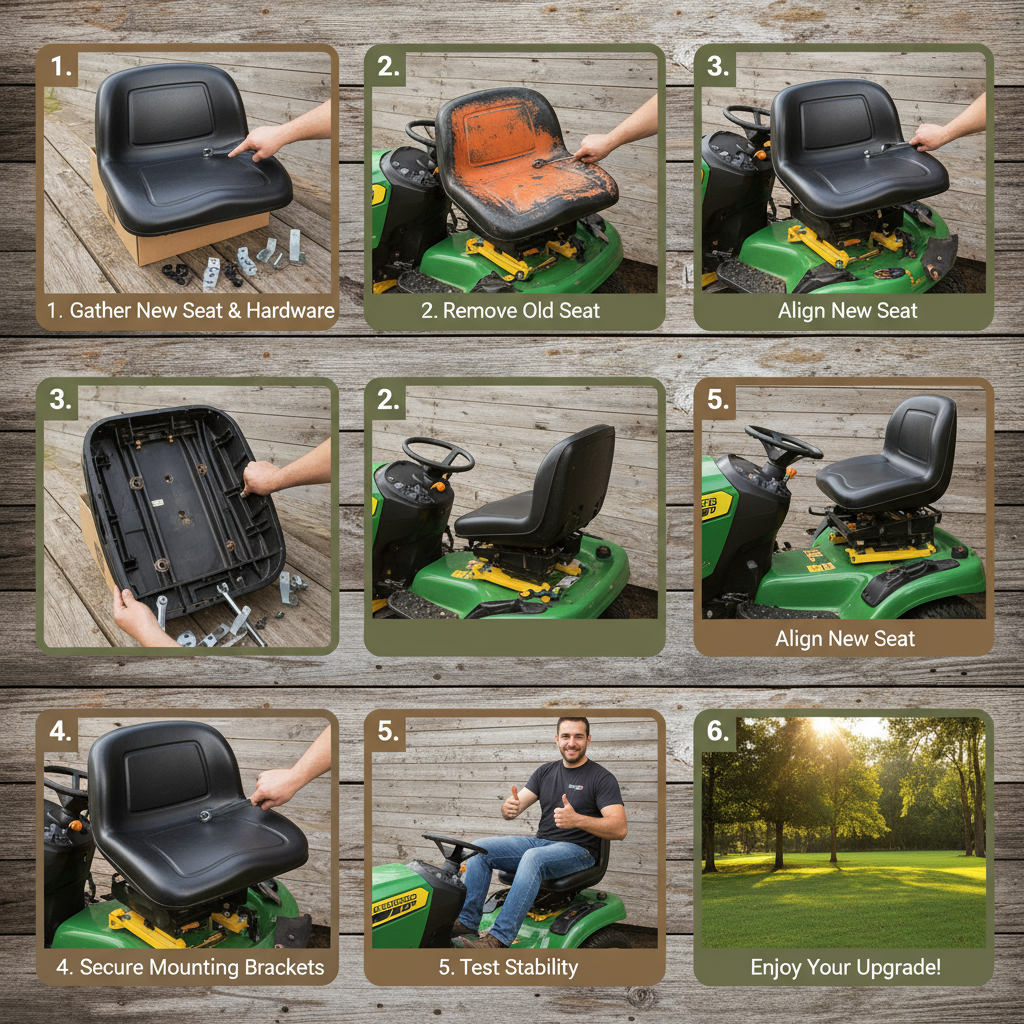
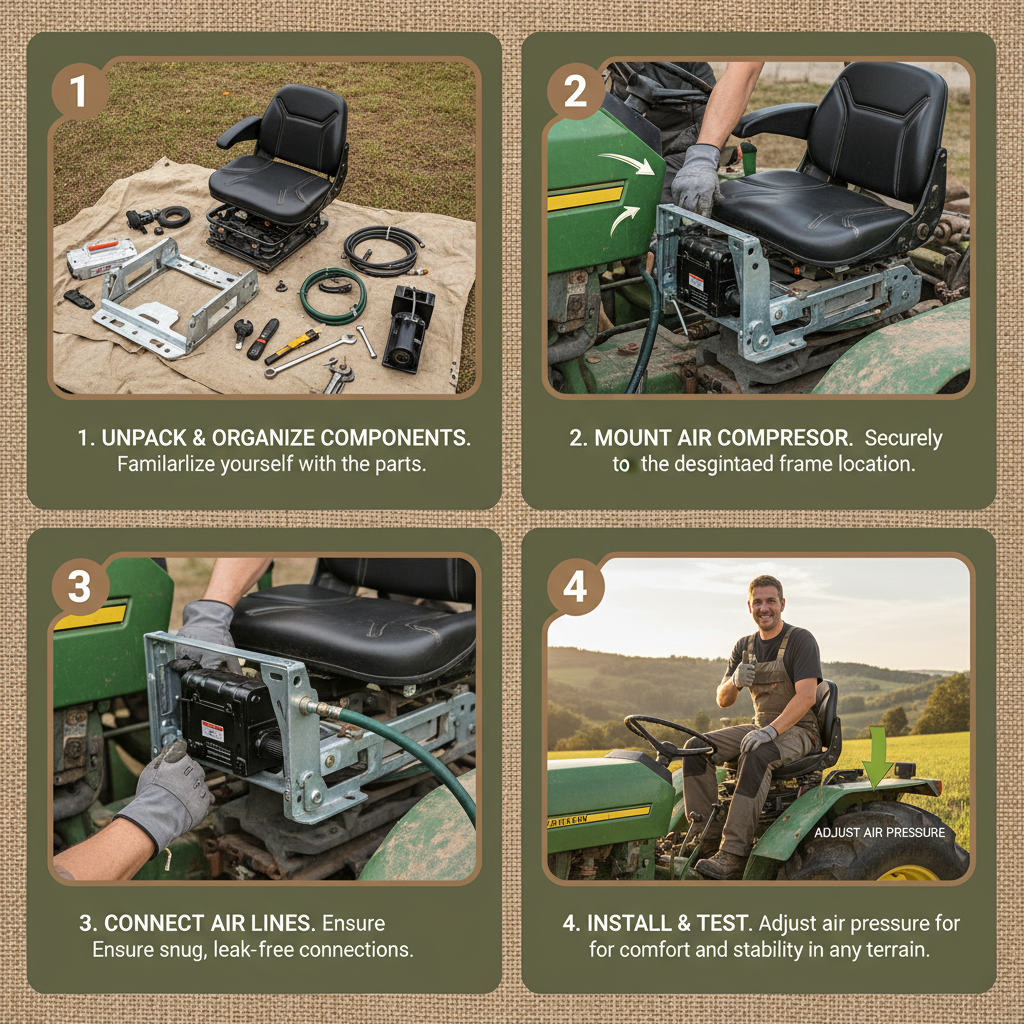
Lastly, compatibility remains a hurdle for many users attempting to upgrade their riding mower seat. The industry is moving toward universal mounting plates and adjustable adapter brackets, allowing premium seats to be retrofitted onto older machine models without extensive drilling or modification.
Technical Analysis of Riding Mower Seat Material Specifications
| Material Type |
UV Resistance |
Durability Score |
Comfort Rating |
| Standard Polypropylene |
Moderate |
6/10 |
5/10 |
| Reinforced Marine Vinyl |
High |
9/10 |
7/10 |
| High-Density Memory Foam |
Low (Internal) |
7/10 |
9/10 |
| UV-Stabilized HDPE |
Very High |
10/10 |
6/10 |
| Breathable Mesh Hybrid |
Moderate |
8/10 |
10/10 |
| Synthetic Leather (Premium) |
High |
8/10 |
8/10 |
FAQS
Compatibility is primarily determined by the mounting hole pattern and the overall base dimensions. We recommend measuring the distance between the center of each mounting bolt and checking if your model uses a standard universal slide or a brand-specific bracket. Most premium seats now come with adjustable adapters to fit various major brands.
For high-temperature environments, UV-stabilized marine-grade vinyl or breathable mesh hybrids are ideal. These materials resist thermal expansion and cracking while reflecting more sunlight, preventing the seat from becoming uncomfortably hot during mid-day operation.
Yes, suspension seats utilize springs or air bladders to absorb vertical shocks that would otherwise be transferred to the operator's lower back. By dampening these vibrations, they significantly reduce muscle fatigue and the long-term risk of spinal compression associated with rough terrain.
While a high-quality seat can last many years, you should consider replacement when you notice deep cracks in the vinyl, a visible loss of foam density (bottoming out), or if the safety sensor no longer triggers correctly. Regular cleaning and the use of a seat cover can extend its lifespan.
Absolutely. Many users retrofit older machines with premium seating to improve the operator experience. The process usually involves installing a universal adapter plate. This is often more cost-effective than upgrading the entire machine while providing the same ergonomic benefits.
High-density foam provides consistent, firm support and maintains its shape over years of use, making it ideal for industrial work. Memory foam offers superior initial comfort by contouring to the body, but can sometimes "bottom out" if not supported by a high-density base layer.
Conclusion
Investing in a high-performance riding mower seat is a strategic decision that balances mechanical durability with human ergonomics. From mitigating the risks of whole-body vibration to ensuring long-term material resilience against harsh environmental factors, the right seat transforms a taxing chore into an efficient operational process. By focusing on quality materials, anatomical support, and advanced suspension, operators can ensure both their productivity and their health are protected.
As the industry moves toward smarter, more sustainable materials and autonomous integration, the importance of the operator-machine interface will only grow. We encourage fleet managers and equipment owners to prioritize ergonomic upgrades to enhance safety and operational longevity. For industry-leading seating solutions and professional tractor components, visit our website: www.changshuokj.com