White farm tractor parts are essential components in modern agriculture, playing a critical role in ensuring food security and optimizing farm productivity globally. From robust engine components to intricate hydraulic systems, these parts underpin the efficient operation of farm machinery, directly impacting crop yields and farmer livelihoods. Understanding the sourcing, quality, and maintenance of these parts is paramount for sustainable agricultural practices.
The demand for reliable white farm tractor parts is continuously increasing alongside the global population and the need for heightened agricultural output. Supply chain disruptions, evolving tractor technologies, and the increasing emphasis on precision farming are all driving factors shaping this market. Proactive maintenance and access to genuine or high-quality aftermarket parts are crucial to minimize downtime and maximize the lifespan of valuable farm equipment.
This comprehensive exploration delves into the multifaceted world of white farm tractor parts, from their core components and global applications to emerging trends and future innovations. We aim to provide valuable insights for farmers, agricultural professionals, and anyone involved in the agricultural supply chain, emphasizing the importance of informed decision-making when it comes to maintaining and upgrading farm machinery.
The Importance of Durable White Farm Tractor Parts
Durability is arguably the most critical factor when considering white farm tractor parts. Farm machinery operates in harsh environments, subjected to extreme temperatures, abrasive soils, and heavy loads. Parts manufactured from high-quality materials and employing robust engineering principles are essential to withstand these demanding conditions and ensure longevity. Regular maintenance, using white farm tractor parts, can dramatically extend the operational life of machinery.
Investing in durable components translates directly to reduced downtime, lower repair costs, and increased overall productivity. Frequent breakdowns not only disrupt farm operations but also lead to significant financial losses. Choosing parts specifically designed for the intended application, and resisting the temptation to opt for cheaper, inferior alternatives, is a strategic investment in the long-term success of any farming enterprise.
Global Market Dynamics of White Farm Tractor Parts
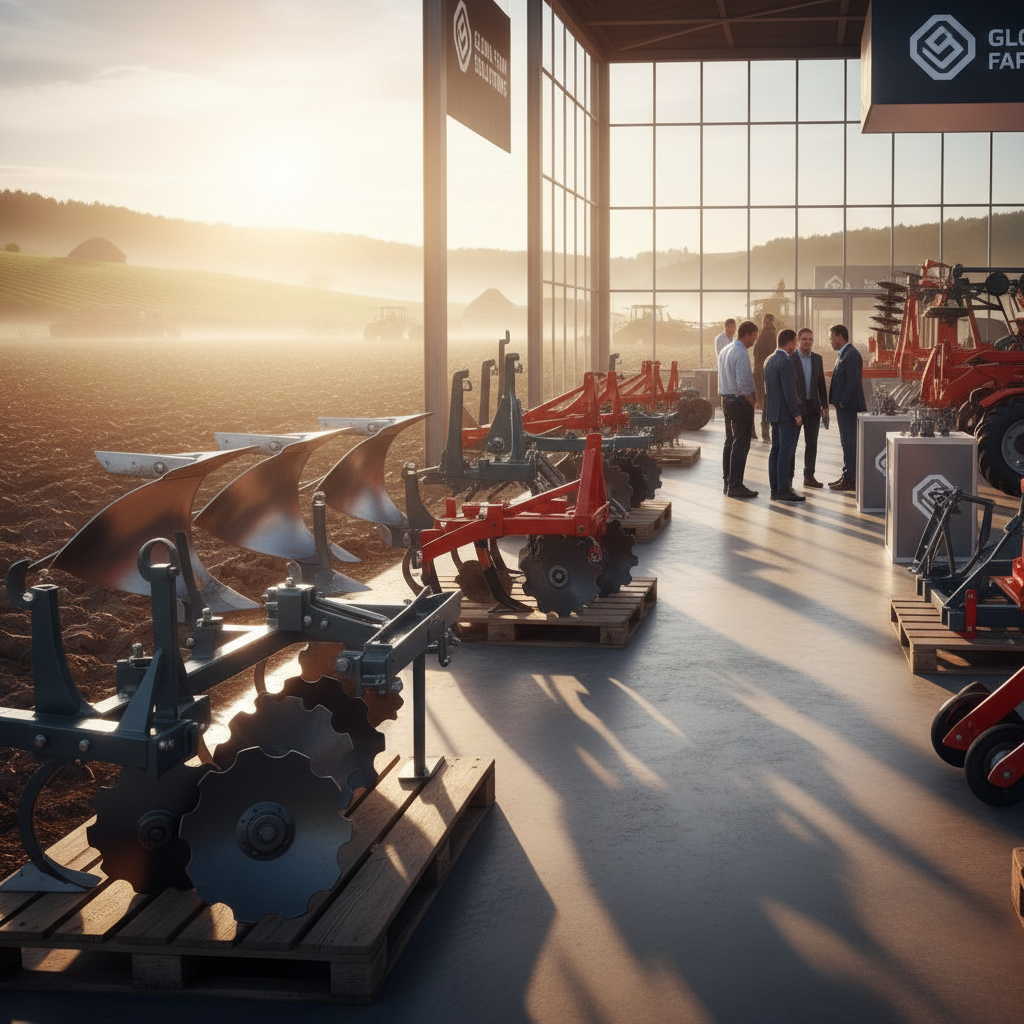
The global market for white farm tractor parts is a multi-billion dollar industry, driven by factors such as increasing agricultural mechanization, the growth of large-scale farming operations, and the replacement demand for aging equipment. Key players include original equipment manufacturers (OEMs) and a thriving aftermarket sector offering both genuine and non-genuine parts. Regions like North America, Europe, and Asia-Pacific represent the largest markets, with emerging economies in South America and Africa exhibiting significant growth potential.
Recent years have seen a trend towards increased consolidation within the industry, with larger companies acquiring smaller manufacturers to expand their product portfolios and geographic reach. Supply chain disruptions, exacerbated by global events, have also impacted the availability and pricing of certain parts, highlighting the importance of diversified sourcing strategies. The demand for precision farming technologies is further influencing the market, driving the need for specialized sensors, electronic control units, and other advanced components.
The price of white farm tractor parts varies significantly based on the component, manufacturer, and supplier. Factors such as material costs, labor rates, and transportation expenses all contribute to overall pricing. Farmers and agricultural businesses must carefully evaluate their options, balancing cost considerations with quality and reliability to make informed purchasing decisions.
Defining White Farm Tractor Parts and Their Role
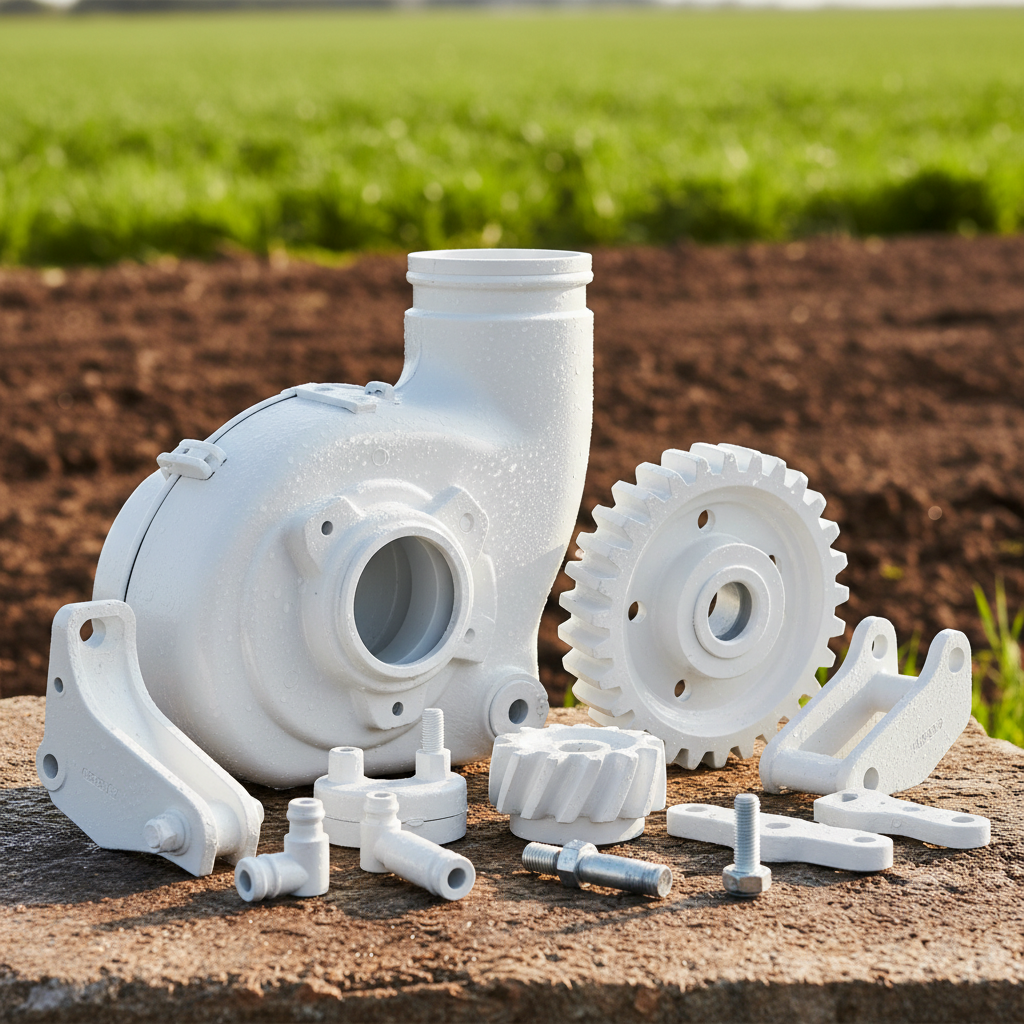
White farm tractor parts encompass a wide array of components essential for the operation, maintenance, and repair of agricultural tractors. These range from fundamental engine parts like pistons, cylinders, and fuel injectors, to complex hydraulic systems including pumps, valves, and hoses, and even exterior components such as fenders, lights, and tires. They are the building blocks that ensure a tractor can perform its intended functions effectively.
The role of these parts extends beyond simply keeping a tractor running. They directly impact the efficiency of farm operations, the quality of crops, and the overall profitability of agricultural businesses. Modern tractors are highly sophisticated machines, and the proper functioning of each individual part is critical for optimal performance. Sourcing reliable white farm tractor parts is crucial for avoiding costly downtime and maintaining productivity.
Furthermore, the development of new technologies in tractor design and manufacturing necessitates a continuous evolution of available parts. Precision agriculture, automation, and the integration of digital systems are all driving demand for increasingly specialized and technologically advanced components.
Key Factors Influencing White Farm Tractor Parts Performance
Several key factors significantly influence the performance and longevity of white farm tractor parts. Material quality is paramount, with hardened steel, cast iron, and specialized polymers commonly used to withstand the stresses of agricultural operations. Engineering design plays a crucial role, ensuring proper fit, load distribution, and resistance to wear and tear.
Manufacturing processes, including precision machining, heat treatment, and surface finishing, also directly impact the durability and reliability of parts. Finally, proper installation and maintenance are essential to maximize performance and prevent premature failure. Regular inspections, lubrication, and timely replacement of worn components are vital for maintaining optimal functionality.
White Farm Tractor Parts Performance Rating
Real-World Applications of White Farm Tractor Parts
White farm tractor parts are utilized in a diverse range of agricultural applications worldwide. They are integral to plowing, planting, harvesting, and transporting crops across various terrains and climates. From small family farms to large-scale commercial operations, reliable tractor parts are essential for maximizing productivity and ensuring a consistent food supply.
In post-disaster relief operations, tractors equipped with appropriate attachments and robust white farm tractor parts are often deployed for land clearing, debris removal, and infrastructure repair. Similarly, in remote industrial zones and developing nations, tractors play a vital role in land preparation, irrigation, and other essential tasks that support economic development.
Advantages and Long-Term Value of Quality Parts
Investing in high-quality white farm tractor parts offers a multitude of advantages that extend beyond immediate functionality. Reduced downtime translates to increased operational efficiency and higher crop yields, directly impacting profitability. Enhanced reliability minimizes the risk of unexpected breakdowns, ensuring timely completion of critical tasks.
Furthermore, using durable parts contributes to the sustainability of agricultural practices by reducing the need for frequent replacements and minimizing waste. The peace of mind knowing that your machinery is equipped with reliable components is also a significant intangible benefit, fostering trust and confidence in your operations.
Future Trends and Innovations in White Farm Tractor Parts
The future of white farm tractor parts is intertwined with advancements in agricultural technology and sustainable practices. The development of bio-based and biodegradable materials is gaining traction, offering environmentally friendly alternatives to traditional components. The integration of sensor technology and data analytics is enabling predictive maintenance, allowing farmers to proactively identify and address potential issues before they lead to breakdowns.
The rise of electric and hybrid tractors is also driving demand for new types of parts, including batteries, electric motors, and power electronics. Automation and precision farming technologies are further accelerating innovation, leading to the development of specialized components that enhance efficiency and optimize resource utilization. These trends promise a more sustainable and technologically advanced future for the agricultural industry.
Challenges and Solutions
Despite advancements, several challenges persist in the white farm tractor parts industry. Supply chain vulnerabilities, particularly for specialized components, can lead to delays and increased costs. Counterfeit parts pose a significant threat, compromising the reliability and safety of machinery. The increasing complexity of modern tractors requires specialized knowledge and expertise for proper maintenance and repair.
Addressing these challenges requires a multi-faceted approach. Diversifying sourcing strategies, implementing robust quality control measures, and investing in training programs for technicians are all crucial steps. Collaboration between OEMs, aftermarket suppliers, and farmers is essential to ensure the availability of high-quality, reliable parts.
Utilizing digital platforms for parts sourcing and inventory management can also streamline the process and improve efficiency. Furthermore, embracing predictive maintenance technologies can help proactively identify potential issues and minimize downtime.
Analysis of White Farm Tractor Parts Supply Chain Resilience
| Component Type |
Supply Chain Risk (1-10) |
Lead Time (Days) |
Mitigation Strategies |
| Engine Pistons |
6 |
30 |
Multi-source procurement, safety stock |
| Hydraulic Pumps |
7 |
45 |
Regional supplier diversification, long-term contracts |
| Fuel Injectors |
8 |
60 |
Supplier audits, strategic partnerships |
| Electronic Control Units (ECUs) |
9 |
90 |
Dual sourcing, chip stock building |
| Tires |
5 |
20 |
Local distribution networks, bulk purchasing |
| Filters (Oil, Air, Fuel) |
4 |
15 |
High inventory levels, standardized components |
FAQS
Determining the correct parts requires accurate identification of your tractor's make, model, and serial number. Refer to your tractor's owner's manual or the manufacturer's website. Cross-referencing part numbers is essential to ensure compatibility. Utilizing online parts catalogs or consulting with a knowledgeable dealer specializing in white farm tractor parts can also simplify the process.
Replacement frequency depends on operating conditions and usage. Filters (oil, air, fuel) should generally be replaced every 250-500 hours of operation, or annually. Belts should be inspected regularly for wear and tear and replaced when cracks or fraying are observed. Refer to your tractor’s maintenance schedule for specific recommendations. Proactive maintenance is key to avoiding more significant issues.
The reliability of aftermarket parts varies significantly. While some aftermarket manufacturers offer high-quality components comparable to OEM parts, others may use inferior materials or manufacturing processes. It's crucial to choose reputable aftermarket brands with proven track records. Consider the warranty offered and read customer reviews before making a purchase.
Counterfeit parts pose a serious risk to machinery and operator safety. If you suspect a part is counterfeit, immediately discontinue its use and contact the seller. Report the incident to the appropriate authorities, such as the manufacturer or consumer protection agency. Purchase parts only from authorized dealers or reputable suppliers.
Proper storage is crucial for maintaining the integrity of parts. Store parts in a clean, dry, and climate-controlled environment, away from direct sunlight, moisture, and extreme temperatures. Use original packaging whenever possible. Lubricate moving parts before storage to prevent corrosion. Regularly inspect stored parts for any signs of deterioration.
Online resources offer convenience, a wide selection of parts, and competitive pricing. You can easily compare prices from different suppliers and read customer reviews. Many online retailers also provide detailed part diagrams and compatibility information. However, always verify the supplier’s reputation and ensure secure payment methods are used.
Conclusion
In conclusion, understanding the intricacies of white farm tractor parts is paramount for ensuring the efficiency, reliability, and longevity of agricultural machinery. From the importance of durable materials and proper maintenance to the evolving landscape of technology and sustainability, proactive management of these components is a critical investment for farmers and agricultural businesses alike. Quality white farm tractor parts are not simply components; they are fundamental to global food security and the economic viability of the agricultural sector.
Looking ahead, continued innovation in materials science, manufacturing processes, and digital technologies will further enhance the performance and sustainability of white farm tractor parts. Embracing these advancements and prioritizing preventative maintenance will be essential for meeting the growing demands of a global population and ensuring a resilient and productive agricultural future. For reliable parts and expert advice, visit our website: www.changshuokj.com.