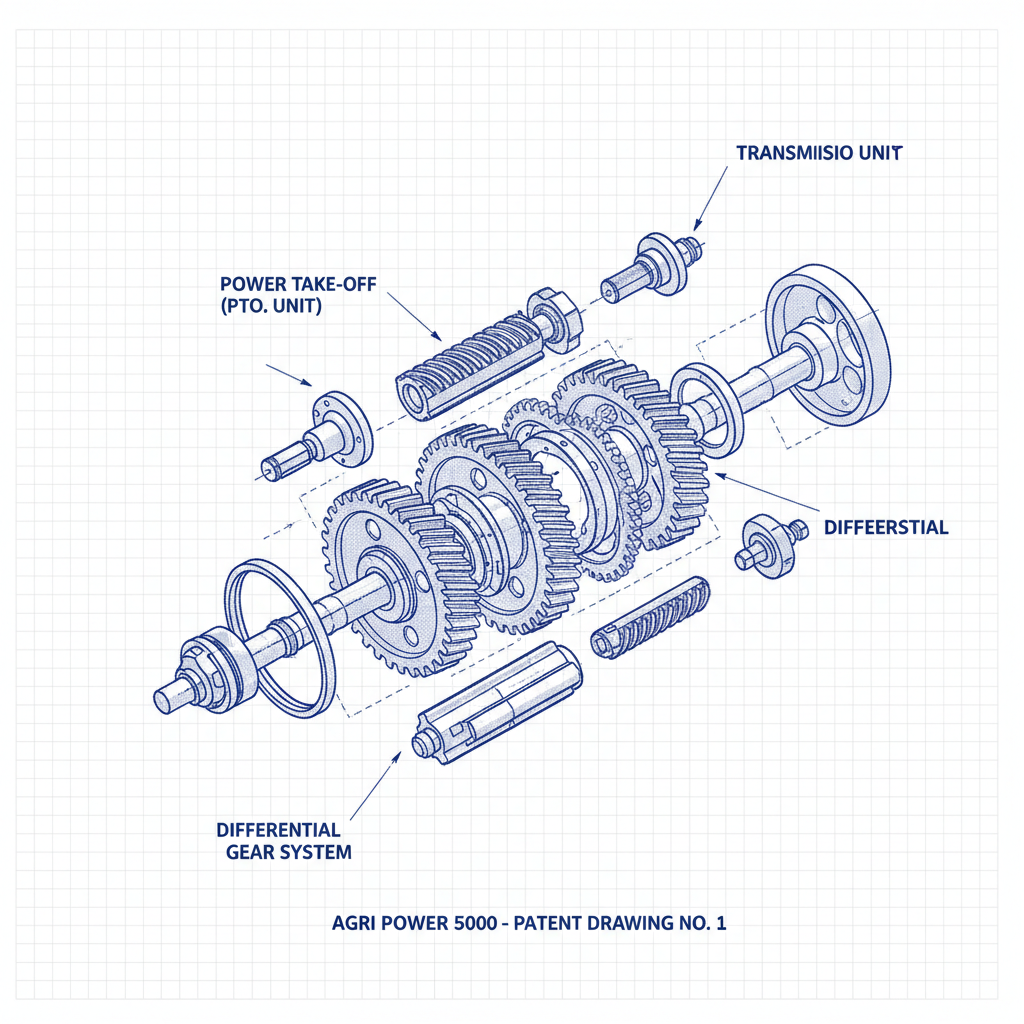
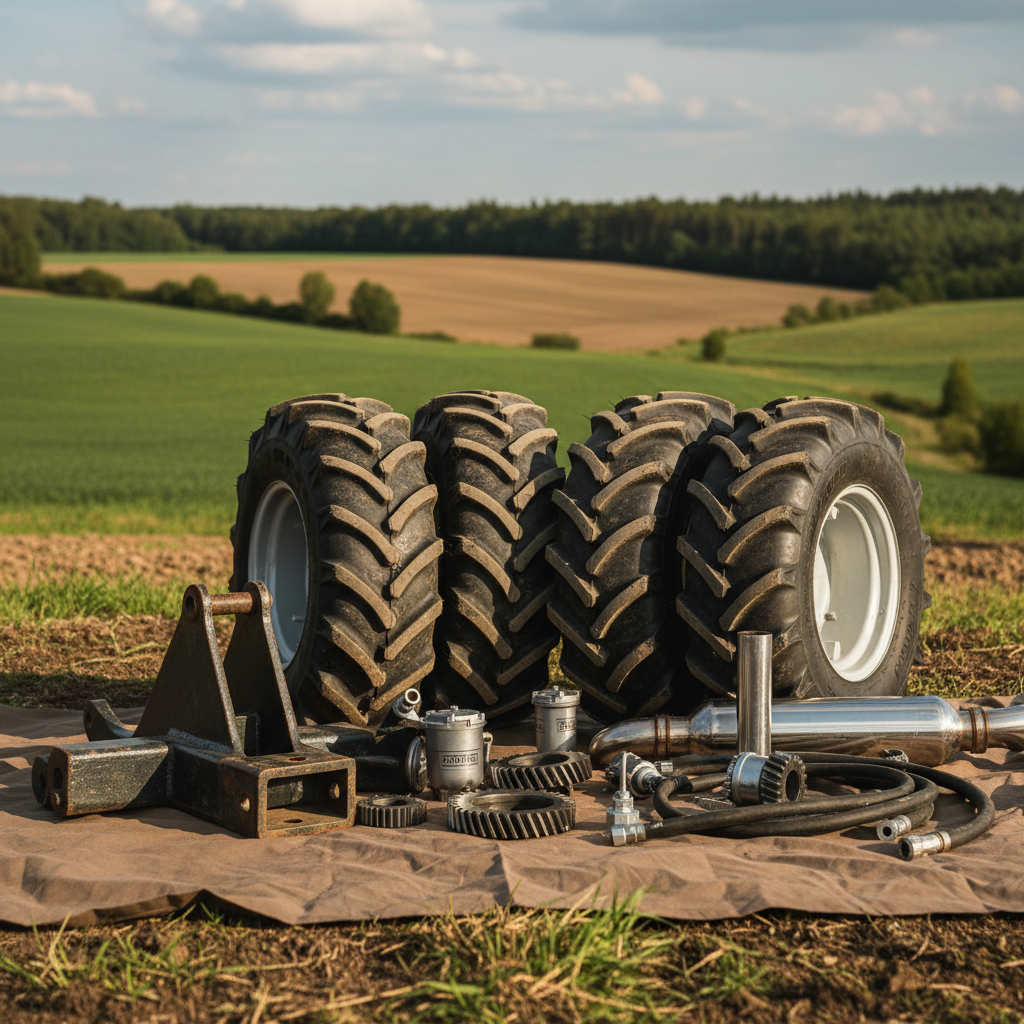
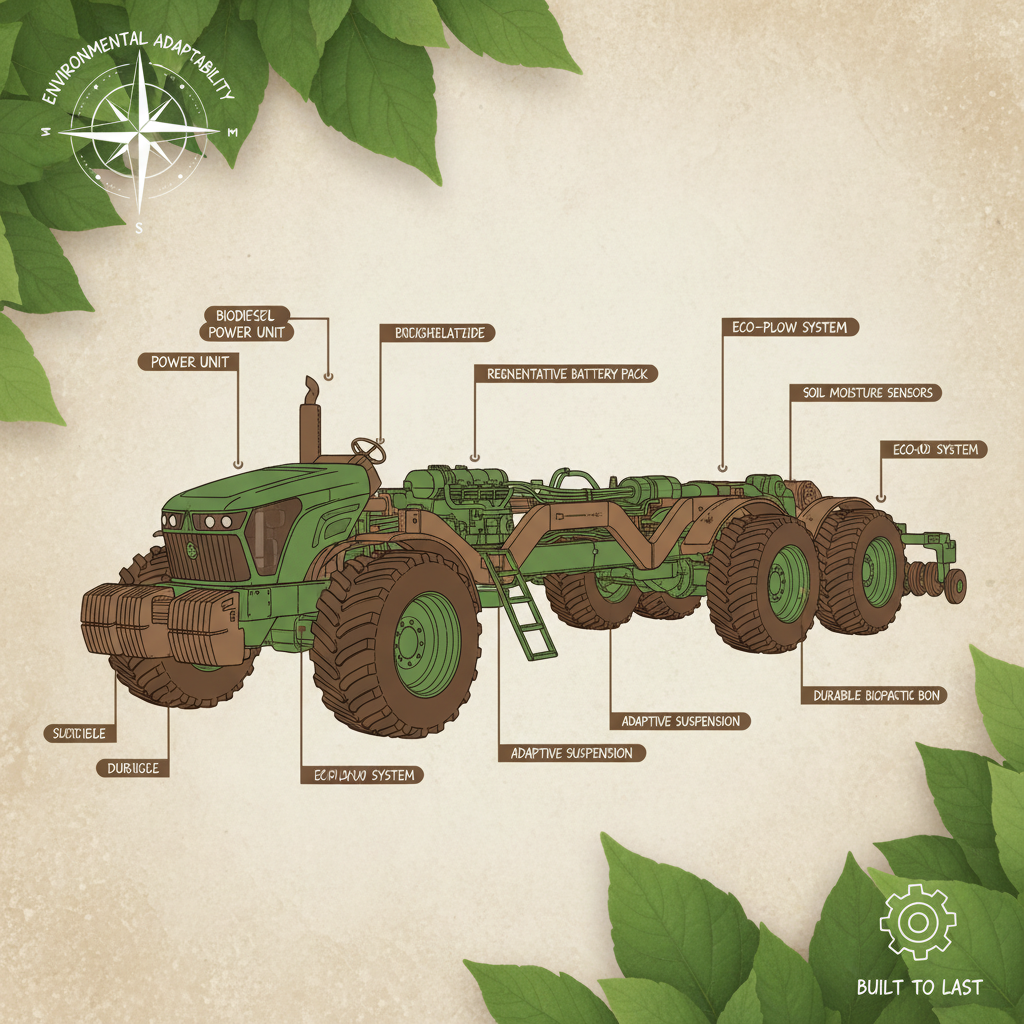
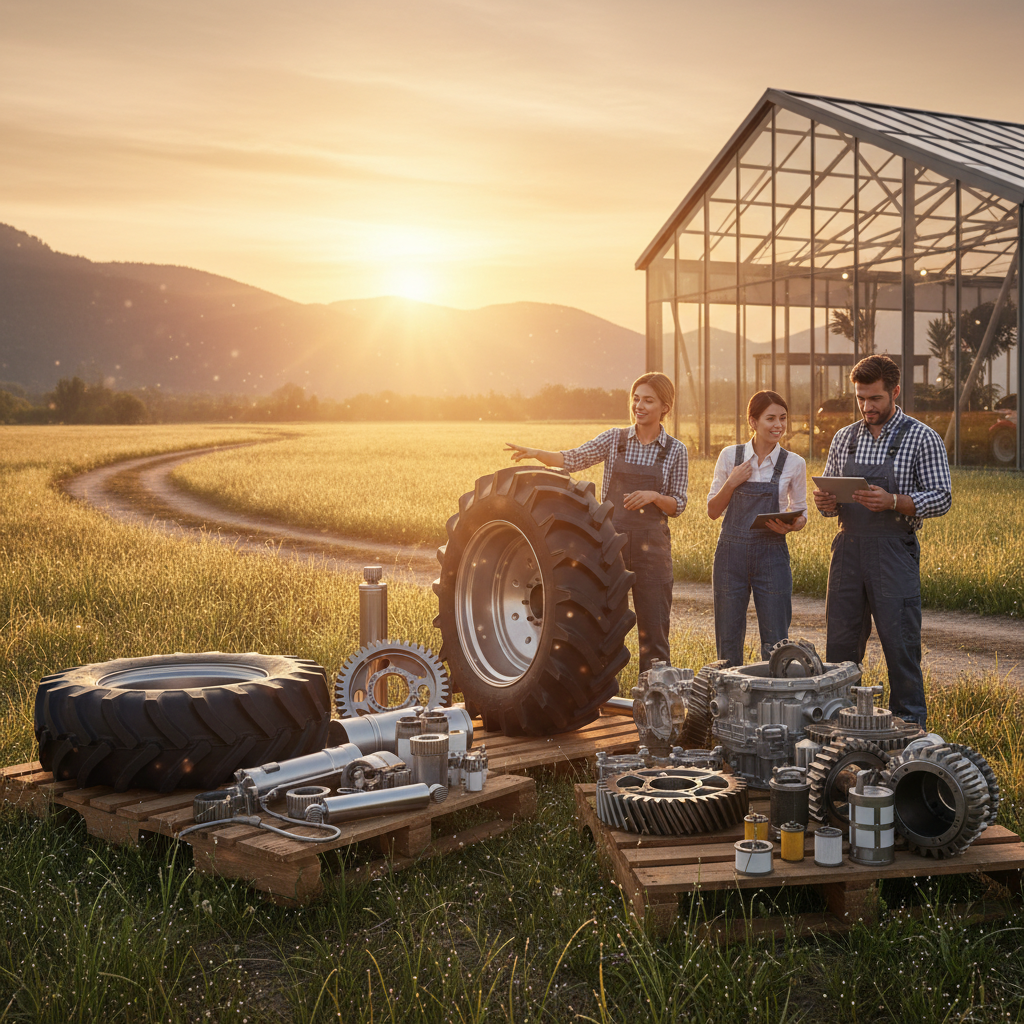
Tractor parts for agriculture are the essential components that keep the backbone of food production running smoothly. From the smallest bolt to the most complex engine, these parts ensure the efficiency and reliability of tractors, which are indispensable tools for farmers worldwide. Understanding the intricacies of these parts – their sourcing, maintenance, and technological advancements – is crucial for maximizing agricultural output and ensuring global food security. This knowledge directly impacts crop yields, reduces operational costs, and ultimately contributes to a more sustainable and resilient agricultural system.
The global demand for tractor parts for agriculture is driven by several factors, including the increasing world population, the need for enhanced agricultural productivity, and the modernization of farming practices in developing nations. According to the Food and Agriculture Organization of the United Nations (FAO), agricultural production needs to increase by 70% by 2050 to feed an estimated 9.7 billion people. This surge in demand necessitates efficient farming techniques and reliable machinery, making high-quality tractor parts for agriculture paramount. The market is experiencing growth in both Original Equipment Manufacturing (OEM) parts and the aftermarket, reflecting a diverse range of needs and budgets.
Addressing challenges related to parts availability, quality control, and affordability is vital. Counterfeit parts pose a significant threat, impacting tractor performance and potentially leading to costly repairs. Technological advancements like precision agriculture and the integration of smart farming solutions are also driving demand for specialized, technologically advanced tractor parts for agriculture. A robust supply chain, coupled with access to genuine and reliable components, is essential for ensuring the long-term viability of the agricultural sector. You can find quality tractor parts for agriculture solutions with us.
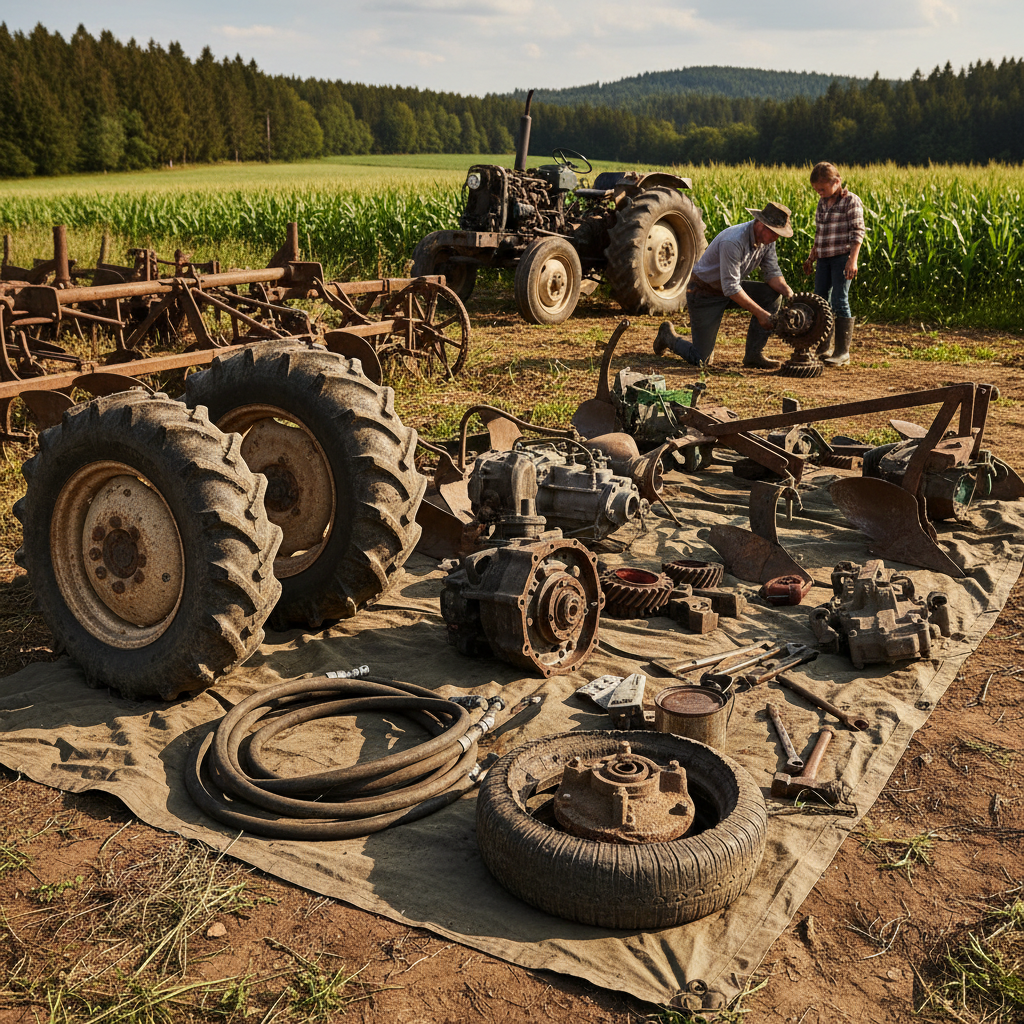
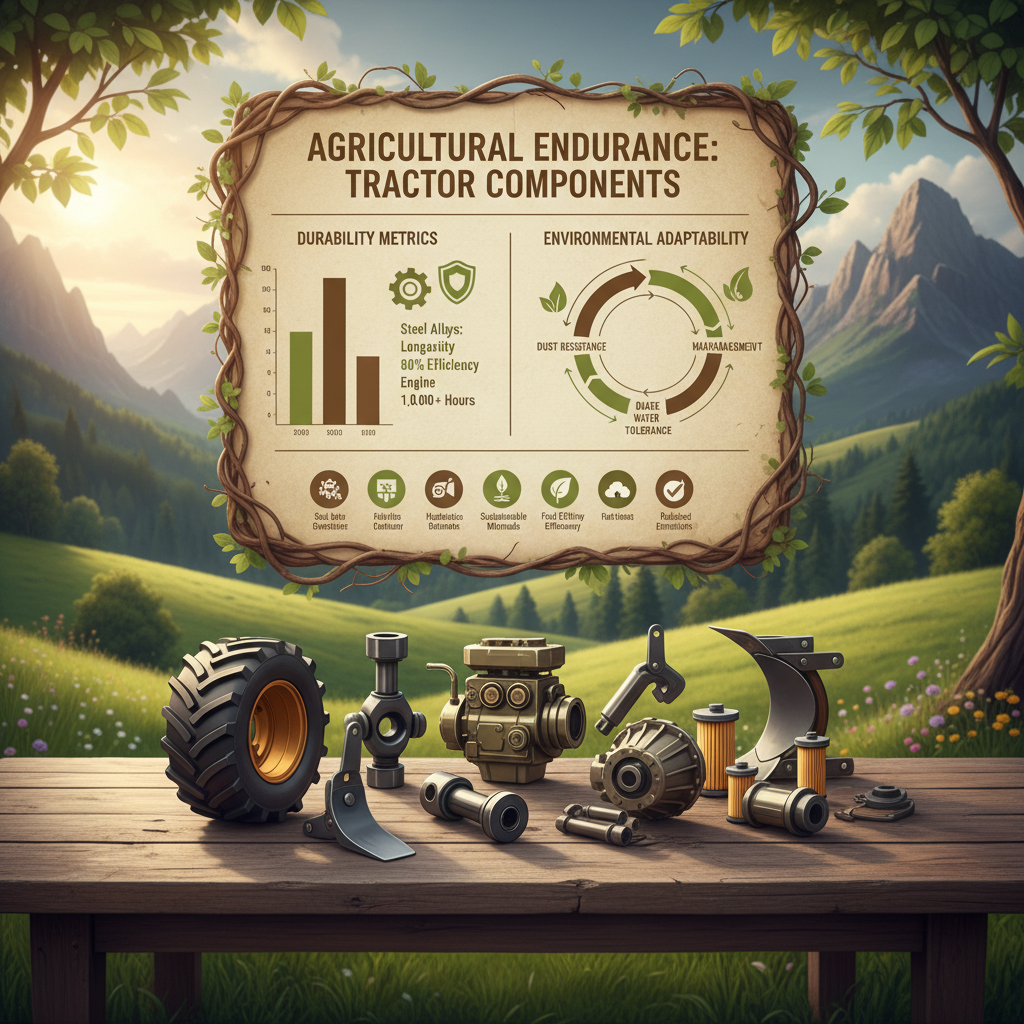
The availability of robust and reliable tractor parts for agriculture directly impacts a farm's productivity and profitability. A breakdown in machinery can lead to significant delays during critical planting or harvesting seasons, resulting in substantial financial losses. Investing in high-quality parts reduces downtime and ensures efficient operation, maximizing the use of valuable farmland.
Furthermore, the increasing sophistication of modern farming techniques—such as precision agriculture—demands advanced tractor components. These include sensors, GPS modules, and specialized implements, all requiring precise and dependable parts to function effectively. The choice of tractor parts for agriculture is, therefore, not simply about replacing worn components; it's about investing in the future of food production.
High-quality tractor parts for agriculture are typically made from durable materials, possess precise engineering tolerances, and undergo rigorous testing. Look for certifications and warranties from reputable manufacturers. Indicators include smooth surfaces, precise fits, and resistance to corrosion or wear. Genuine OEM parts generally offer the highest quality assurance, but reputable aftermarket brands can also provide reliable alternatives.
The replacement frequency of tractor parts like filters and belts varies depending on operating conditions and usage. Air filters should be checked and replaced regularly, typically every 250-500 hours of operation, or more frequently in dusty environments. Fuel filters should be replaced every 500-1000 hours. Belts should be inspected for cracks or wear and replaced when necessary, usually every 1000-2000 hours. Refer to your tractor’s owner’s manual for specific recommendations.
OEM (Original Equipment Manufacturer) parts are produced by the same manufacturer as the tractor itself, ensuring a perfect fit and compatibility. Aftermarket parts are made by independent manufacturers. While OEM parts typically cost more, they often offer superior quality and reliability. Reputable aftermarket brands can provide cost-effective alternatives, but it’s essential to choose suppliers with a proven track record.
Proper storage and handling are crucial for preserving the integrity of tractor parts for agriculture. Store parts in a clean, dry environment, protected from moisture, dust, and extreme temperatures. Use appropriate packaging and handling equipment to prevent damage during transportation. Avoid dropping or impacting parts, and ensure they are properly secured during storage.
Yes, several emerging technologies are impacting the tractor parts market. These include the integration of sensors for predictive maintenance, the use of 3D printing for rapid prototyping and custom parts, and the development of more durable and sustainable materials. The rise of electric and hybrid tractors is also driving demand for specialized electric components and battery systems.
Counterfeit tractor parts can compromise safety and performance. If you suspect a part is counterfeit, carefully examine the packaging for inconsistencies or errors. Compare the part to genuine OEM specifications. Contact the tractor manufacturer or a reputable parts supplier to verify its authenticity. Avoid using any part if you have doubts about its origin or quality.
In conclusion, tractor parts for agriculture are the lifeblood of modern farming, playing a vital role in ensuring global food security. Understanding the factors influencing their selection, the importance of quality and durability, and the emerging trends shaping the industry is crucial for farmers, manufacturers, and policymakers alike. Investing in reliable tractor parts not only maximizes productivity and minimizes downtime but also supports sustainable agricultural practices.
Looking ahead, continued innovation in materials science, manufacturing techniques, and data analytics will drive further advancements in tractor part technology. Embracing these advancements will enable farmers to optimize their operations, reduce their environmental footprint, and meet the growing demands of a rapidly changing world. Visit our website at www.changshuokj.com for a comprehensive selection of high-quality tractor parts for agriculture.