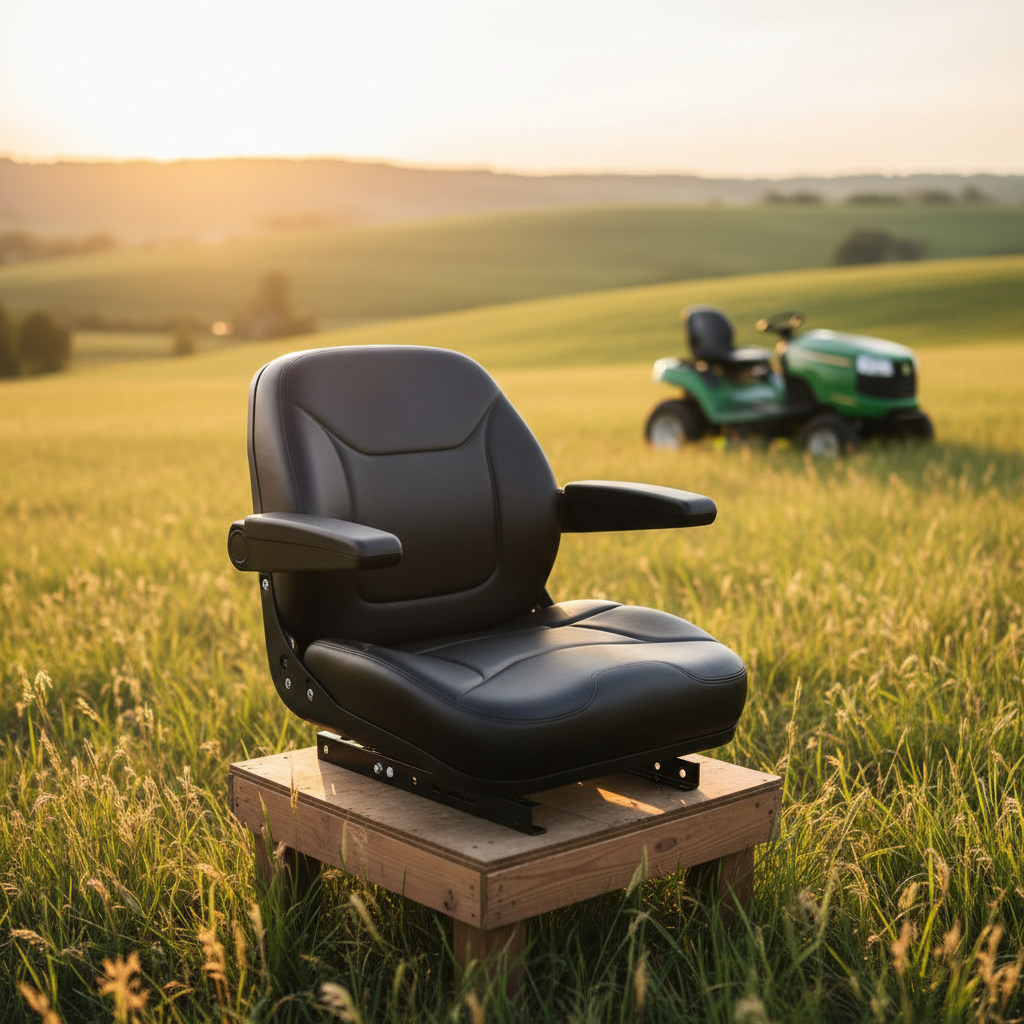
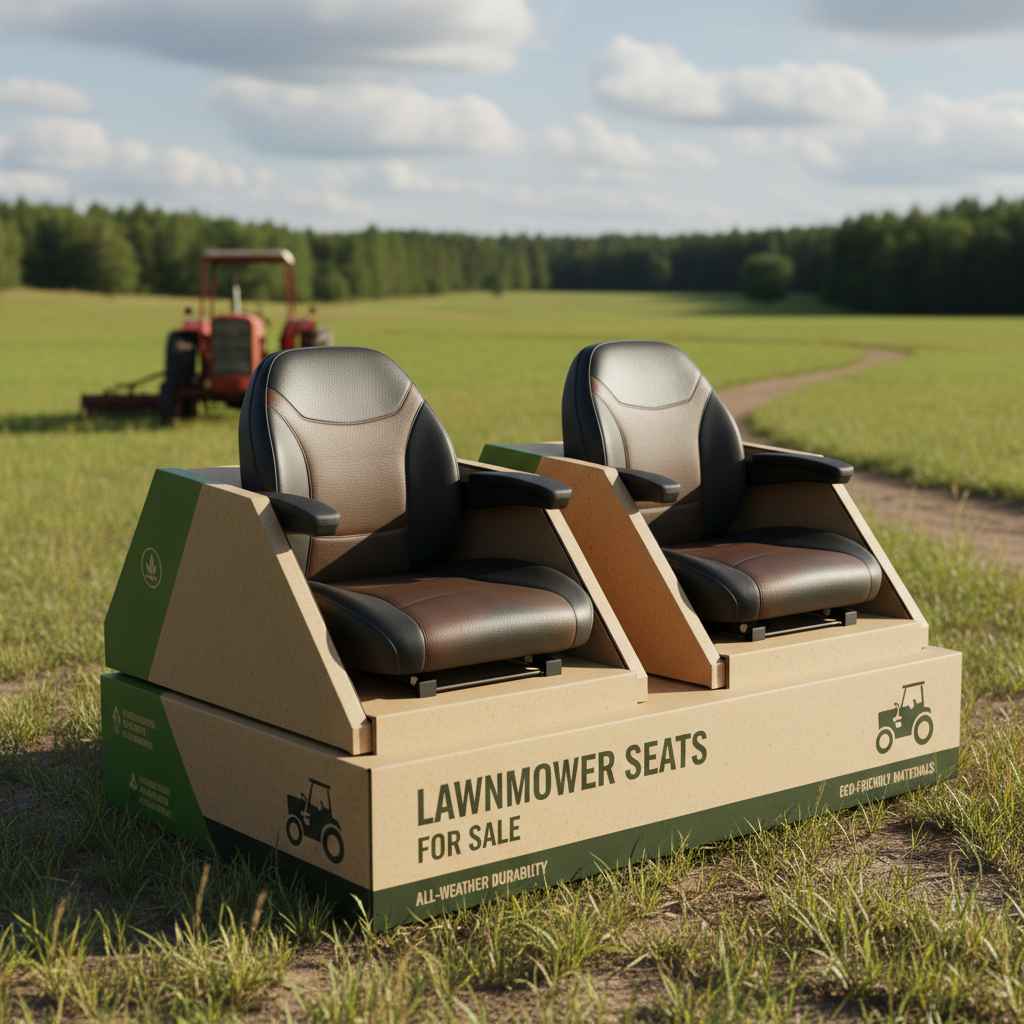
Maintaining a ride-on mower isn't just about the engine and the blades; the operator's comfort and safety depend heavily on the condition of the seating. A lawn mower seat replacement becomes necessary when the original upholstery cracks, the cushioning collapses, or the safety switches fail, directly impacting the productivity of landscaping professionals and homeowners alike.
Globally, the demand for high-quality replacement parts in the agricultural and gardening sector has risen as equipment lifespans extend. Investing in a proper seat replacement ensures that the operator can withstand long hours of labor without physical strain, which is critical for preventing long-term musculoskeletal issues associated with vibration and poor posture.
Understanding the nuances of material science—from UV-resistant vinyl to high-density ergonomic foam—allows users to choose a replacement that doesn't just fit the bolt pattern but enhances the overall value and safety of the machine. By focusing on durability and ergonomics, a simple part swap can breathe new life into aging machinery.
Global Relevance of Lawn Mower Seat Replacement
In the global agricultural machinery market, the longevity of equipment is often dictated by the maintainability of its wear-and-tear components. As urban green spaces expand and industrial landscaping becomes more mechanized, the need for a reliable lawn mower seat replacement has evolved from a luxury to a safety requirement. ISO standards for operator comfort emphasize the reduction of whole-body vibration, which is only possible when the seat's damping properties are intact.
Across North America and Europe, where ride-on mowers are ubiquitous, the degradation of seating materials due to extreme UV exposure and moisture is a recurring challenge. This creates a massive secondary market for high-performance replacements that can withstand the elements while providing the ergonomic support necessary for professional operators who spend 40+ hours a week in the saddle.
Defining the Standards of Seat Replacement
At its core, a lawn mower seat replacement is the process of swapping a worn, damaged, or outdated operator seat with a new unit that matches the mounting specifications of the tractor or mower. While it may seem like a simple mechanical swap, it involves ensuring compatibility with safety interlock switches—critical components that shut down the engine or blades if the operator leaves the seat.
From an industrial perspective, this process is linked to the broader goal of "equipment upcycling." Instead of replacing an entire tractor due to cabin deterioration, targeted replacements of high-touch components like seats and steering wheels extend the operational life of the asset, reducing waste and lowering the total cost of ownership for the end-user.
Modern replacements now integrate humanitarian design principles, focusing on inclusivity and accessibility. This means providing seats with adjustable heights, varying widths, and specialized lumbar supports to accommodate a diverse global workforce, ensuring that physical labor remains sustainable for operators of all body types.
Core Factors in Choosing a Replacement Seat
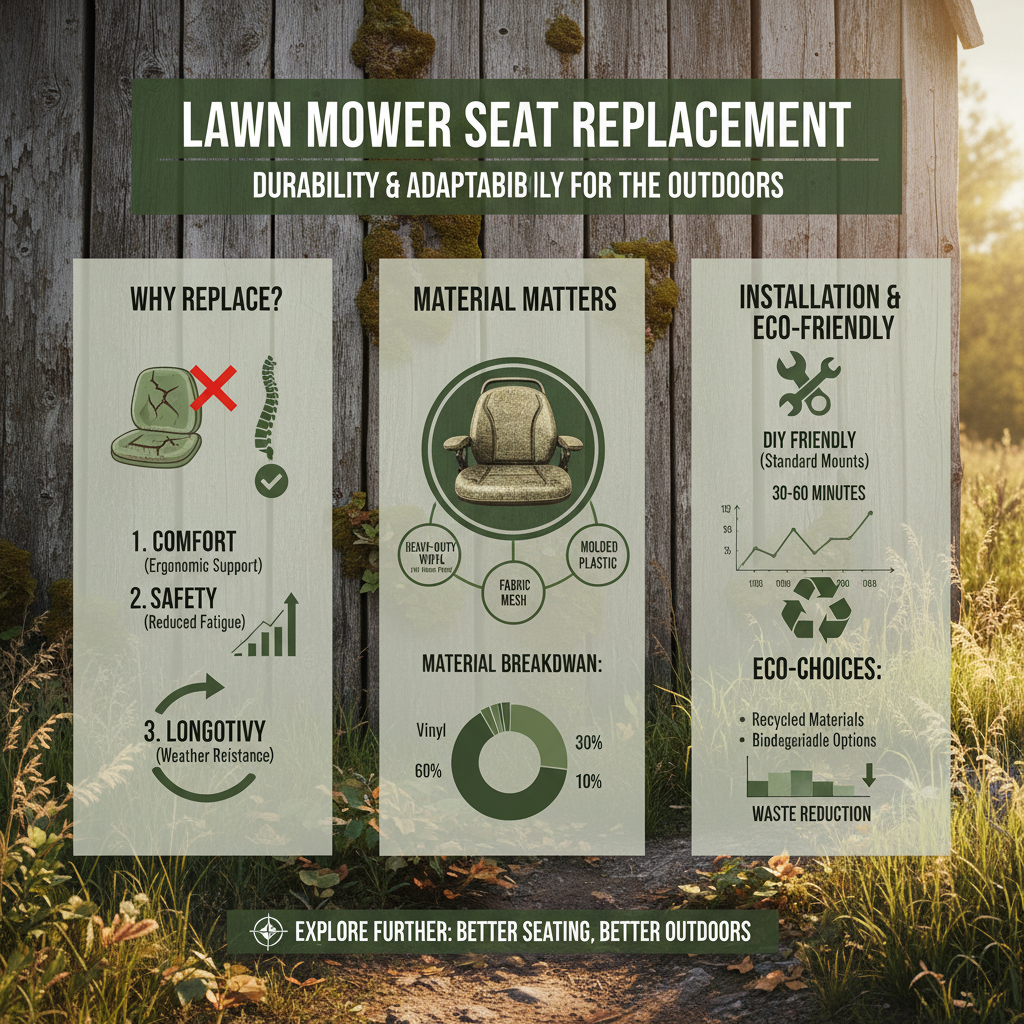
When pursuing a lawn mower seat replacement, durability is the primary consideration. The exterior must be composed of heavy-duty, waterproof vinyl or treated polymers that resist cracking under intense sunlight. A seat that fails within a single season is not a solution but a recurring expense.
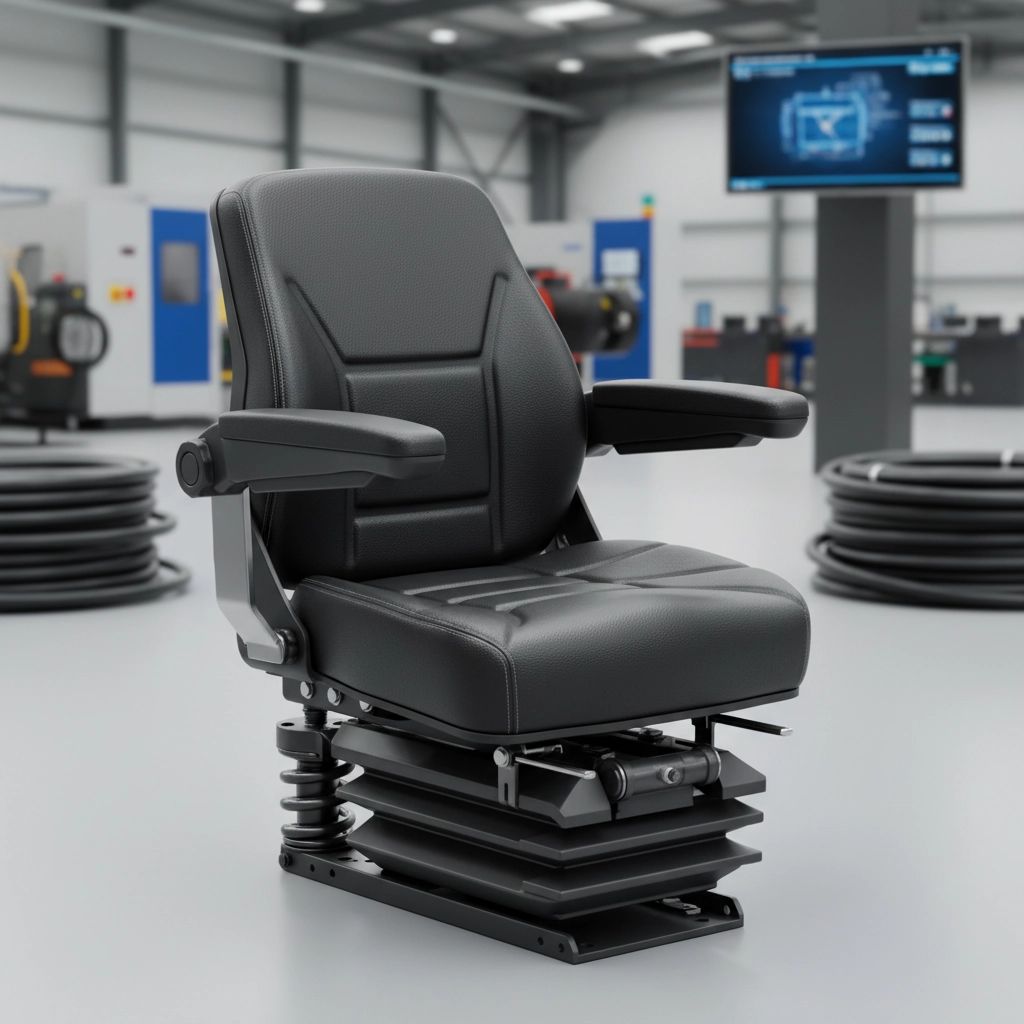
The second critical factor is ergonomic scalability. Not all seats are created equal; the internal foam density must be calibrated to support the operator's weight without bottoming out. High-resilience (HR) foam is often preferred in professional replacements as it maintains its shape over thousands of hours of use, reducing fatigue.
Finally, cost-efficiency and installation ease play a major role. A replacement that requires extensive drilling or modification to the tractor frame adds unnecessary labor costs. The most valued products in the market are "drop-in" replacements that utilize standard universal bolt patterns and integrated sensor brackets.
Performance Metrics for Different Seat Materials
Choosing the right material for a replacement seat involves balancing tactile comfort with industrial resilience. For instance, synthetic leather offers a premium feel but may require more maintenance, whereas reinforced PVC is nearly indestructible in harsh weather conditions.
To better understand how different lawn mower seat replacement options perform, we analyze them based on their ability to resist wear, provide support, and maintain temperature during peak summer months.
Comparison of Lawn Mower Seat Replacement Material Performance
Real-World Applications Across Industries
In the commercial landscaping sector, where fleets of tractors operate for twelve hours a day, a lawn mower seat replacement is a strategic maintenance task. Large-scale municipal park departments often implement a rotating replacement schedule to ensure no operator is subjected to the vibration of a collapsed seat, which significantly lowers workers' compensation claims related to back pain.
Beyond urban parks, these replacements are vital in remote agricultural zones and vineyards. In these environments, the seats are exposed to organic acids, fertilizers, and extreme dust. Utilizing chemically resistant seat covers as part of the replacement process ensures that the equipment remains functional and hygienic even in the most demanding rural conditions.
Long-Term Value and Operator Safety
The value of a high-quality seat replacement extends far beyond immediate comfort; it is a critical safety upgrade. Many older seats lose their structural integrity, which can lead to the operator slipping during a slope operation. By installing a modern replacement with an anti-slip surface, the risk of accidental falls is drastically reduced.
Furthermore, the integration of new safety sensors during a lawn mower seat replacement provides peace of mind. Modern seats often come with more precise pressure switches that prevent the machine from operating without an occupant, adhering to the latest safety guidelines and reducing the likelihood of runaway mower accidents.
From a financial standpoint, the cost of a premium seat is negligible compared to the potential cost of operator injury or the devaluation of the tractor. A well-maintained operator station increases the resale value of the machinery, as it signals to potential buyers that the equipment has been meticulously cared for.
Future Innovations in Ergonomic Seating
The future of the lawn mower seat replacement market is leaning heavily toward "smart" materials. We are seeing the introduction of temperature-regulating gels and phase-change materials (PCMs) that absorb body heat in the summer and provide insulation in the winter, ensuring year-round comfort for the operator.
Sustainability is also driving innovation. Manufacturers are beginning to use recycled ocean plastics for the seat bases and bio-based polymers for the cushioning. This shift not only reduces the carbon footprint of the manufacturing process but also creates a circular economy where old seats can be fully recycled into new components.
As automation increases, we expect to see "hybrid" seats that can transition between a traditional operator position and a monitoring station. These seats will likely feature integrated haptic feedback to alert the operator of obstacles detected by the mower's AI, blending traditional mechanical comfort with digital transformation.
Analysis of Modern Lawn Mower Seat Replacement Specifications
| Material Grade |
UV Resistance |
Comfort Level |
Expected Lifespan |
| Standard Vinyl |
Moderate |
Basic |
1-2 Years |
| Industrial PVC |
High |
Moderate |
3-5 Years |
| Ergo-Gel Hybrid |
Very High |
Premium |
4-6 Years |
| Breathable Mesh |
Moderate |
High |
2-3 Years |
| Reinforced Polymer |
Extreme |
Firm |
5-8 Years |
| Eco-Recycled Bio |
High |
Moderate |
3-4 Years |
FAQS
You should consider a replacement if you notice visible cracks in the vinyl, if the foam has compressed to the point where you feel the plastic base, or if the seat no longer triggers the safety switch consistently. These are signs of structural failure that impact both comfort and safety.
Many replacement seats are designed as "universal," meaning they fit standard bolt patterns. However, always verify the hole spacing and the type of safety switch connector. Some brands use proprietary mounts that require a model-specific replacement for a secure fit.
While seat covers can hide aesthetic damage, they don't fix collapsed cushioning or broken safety sensors. If the internal support is gone, a full lawn mower seat replacement is the only way to restore ergonomic support and ensure the machine operates safely.
For maximum durability, reinforced Industrial PVC or heavy-duty polymer seats are best. They offer the highest resistance to UV rays, chemicals, and abrasive wear, making them ideal for commercial use where the equipment is exposed to the elements daily.
For most ride-on mowers, a replacement takes between 30 to 60 minutes. The process involves removing the old bolts, disconnecting the safety switch, positioning the new seat, and securing the fasteners. No specialized tools are usually required beyond a basic socket set.
Yes. A pristine operator station is a strong indicator to buyers that the machine has been well-maintained. Replacing a torn, weathered seat with a clean, high-quality unit removes a major visual deterrent and suggests the equipment is ready for immediate work.
Conclusion
In summary, a lawn mower seat replacement is far more than a simple cosmetic update. It is a critical intersection of operator health, machine safety, and asset longevity. By prioritizing high-density foams, UV-resistant materials, and precise safety switch integration, owners can significantly reduce operator fatigue and ensure their equipment adheres to modern safety standards.
Looking ahead, the integration of sustainable materials and smart ergonomic technologies will continue to redefine the operator's experience. We recommend that fleet managers and homeowners alike conduct a semi-annual audit of their seating condition to prevent avoidable injuries and maintain the peak performance of their machinery. For premium solutions in tractor seating and components, visit our website: www.changshuokj.com