
Choosing the Right Ag Tires and Rims for Your Farm
Selecting the appropriate ag tires and rims is crucial for maximizing efficiency, improving productivity, and ensuring the longevity of your agricultural machinery. The right combination impacts traction, fuel consumption, ride comfort, and overall performance. This article will provide a comprehensive guide to understanding the key considerations when choosing ag tires and rims, helping you make informed decisions for your farm’s specific needs. We’ll explore various tire types, rim options, and essential factors for optimal compatibility.
Understanding Ag Tire Types
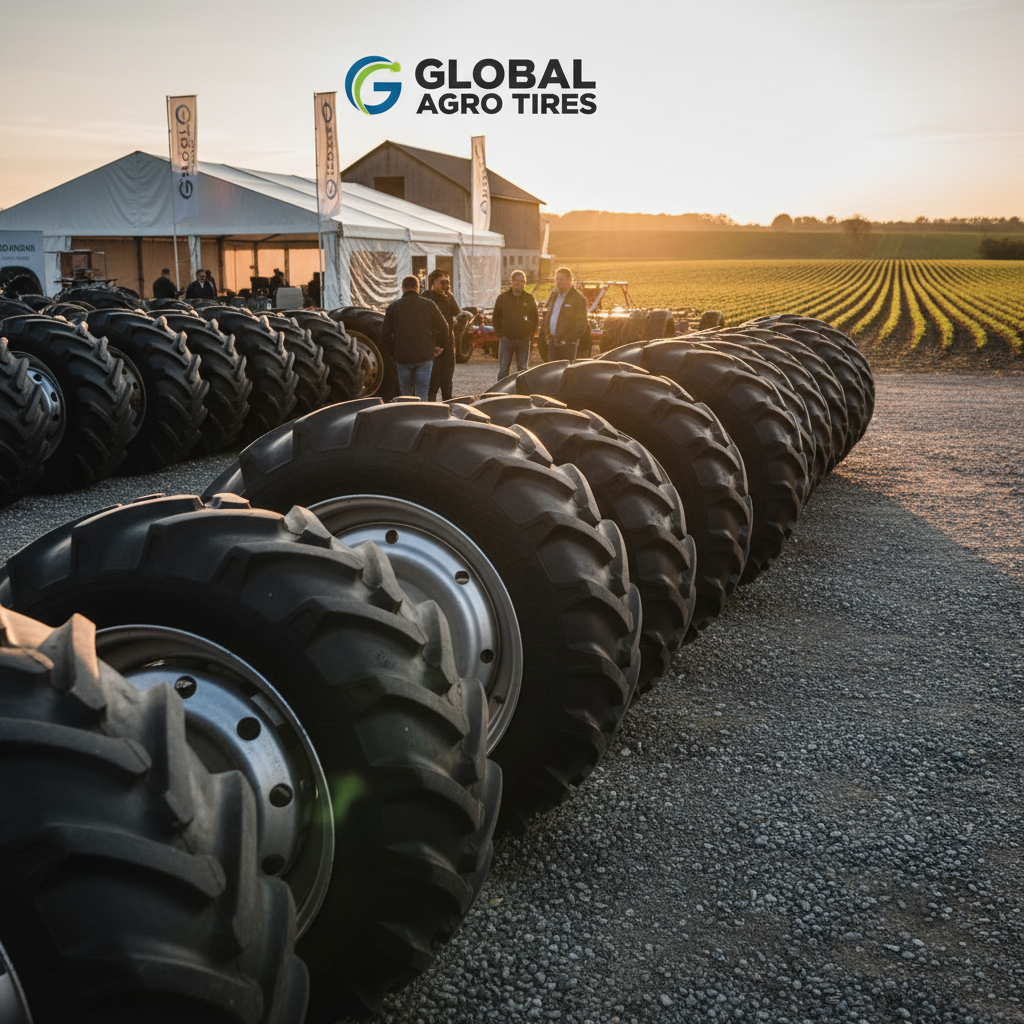
Agricultural tires are designed with specific patterns and constructions to suit different applications. Radial tires, for instance, offer superior flexibility and a larger footprint, leading to improved traction and reduced soil compaction. Bias-ply tires, while more affordable, are best suited for lighter loads and less demanding terrain. There's also a growing trend toward specialized tires like VF (Very Flexible) and CFO (Cyclic Field Operation) tires, which provide increased load-carrying capacity and enhanced performance in variable field conditions. Choosing the right tire type depends on the type of machinery, the soil conditions, and the tasks you perform. You can explore the variety of ag tires available at Changshuokj.com.
Key Tire Types: Radial, Bias-Ply, VF, CFO. Each type offers distinct advantages based on load requirements and operating conditions.
Rim Compatibility and Sizes
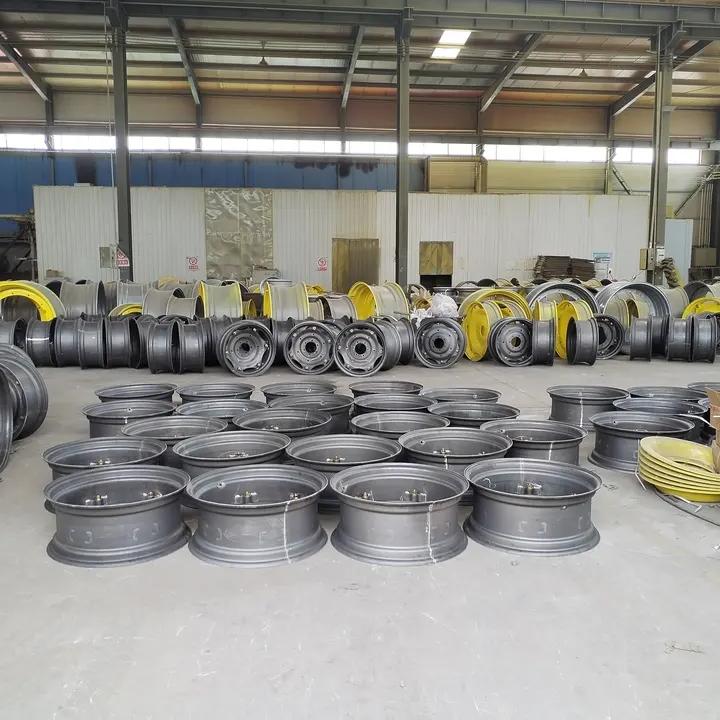
The rim's size and construction are just as important as the tire itself. Incorrect rim selection can lead to tire instability, premature wear, and even safety hazards. Rim diameters and widths must be compatible with the tire size and load requirements. Furthermore, consider the mounting type – flanged rims are common for tractors, while clamp-on rims are often used for combines. Always refer to the tire manufacturer’s recommendations for compatible rim sizes. Changshuokj offers a wide range of agricultural rims designed for various applications.
Rim Selection Considerations:
• Diameter must match tire specification.
• Width should be appropriate for tire size and load.
• Mounting type (flanged or clamp-on).
• Load capacity of the rim.
Ag Tires and Rims: A Comparative Look
Choosing between different types of tires and rims can be daunting. The following table provides a comparison of common options to help you make an informed decision.
Factors Influencing Your Choice
Several factors should guide your decision-making process. Consider the terrain you'll be operating on – soft, muddy fields require tires with aggressive lug patterns for maximum traction. The size and weight of your machinery will dictate the load capacity needed from both tires and rims. Your budget is also a key consideration; while premium tires and rims offer superior performance, there are cost-effective options available. Furthermore, think about the specific tasks you perform – harvesting, plowing, or transporting will each benefit from different tire characteristics. Finding the optimal ag tire and rim combination is a balance of these factors.
Maintaining Your Investment
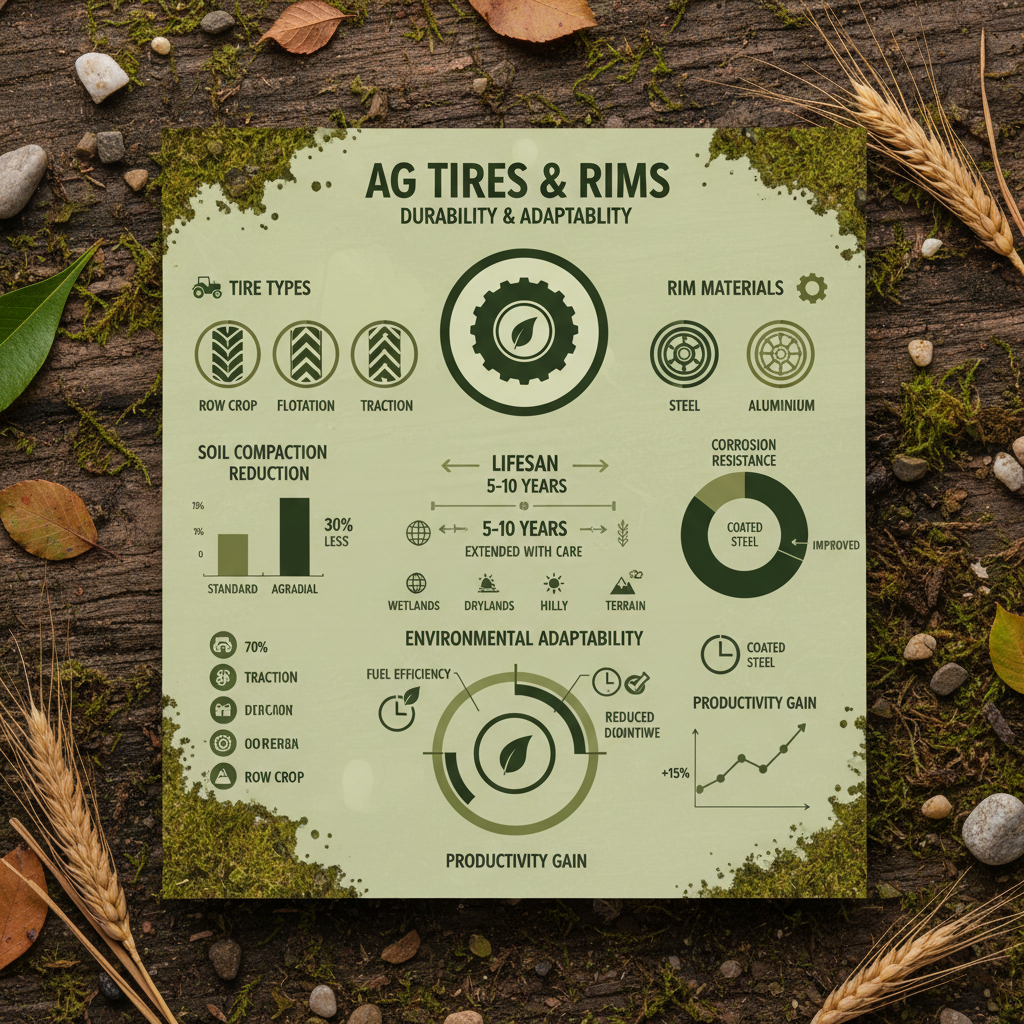
Once you’ve chosen the right ag tires and rims, proper maintenance is crucial for maximizing their lifespan and performance. Regularly check tire pressure, ensuring it’s within the manufacturer’s recommended range. Inspect tires for cuts, punctures, and sidewall damage. Properly balance the rims to prevent vibration and uneven wear. Finally, store tires in a cool, dry place away from direct sunlight when not in use.
Conclusion: Optimizing Performance with the Right Ag Tires and Rims
Investing in the correct ag tires and rims from Changshuokj can significantly improve your farm’s efficiency, reduce operating costs, and enhance safety. By understanding the different tire types, rim options, and maintenance requirements, you can make informed decisions that deliver long-term value. Don't compromise on quality – choose Changshuokj for reliable and high-performing agricultural tire and rim solutions.
Frequently Asked Questions (FAQs)
What tire pressure should I maintain for optimal performance?
Maintaining the correct tire pressure is critical. The ideal pressure depends on your tire size, load, and the type of work being performed. Refer to the tire manufacturer's recommendations – this information is usually found on the tire sidewall or in the owner's manual. Underinflation leads to increased rolling resistance, reduced traction, and potential tire damage. Overinflation can result in a harsh ride and reduced footprint. Regularly check and adjust tire pressure using a reliable gauge.
How often should I replace my ag tires?
The lifespan of ag tires varies depending on usage and maintenance. Generally, tires should be replaced when the tread depth reaches the minimum recommended level (often indicated by wear bars on the tire). Also, inspect for sidewall cracks, cuts, or bulges. Even if the tread still appears good, damage to the sidewall warrants replacement. Typically, expect to replace tires every 4-7 years, depending on operating conditions. Regular inspections and proper maintenance can extend their lifespan.
What are the benefits of using aluminum rims?
Aluminum rims are significantly lighter than steel rims, reducing overall weight and improving fuel efficiency. They also offer better heat dissipation, which can extend tire life. Additionally, aluminum rims are corrosion-resistant, meaning they require less maintenance. While they are more expensive upfront, the long-term benefits often outweigh the initial cost.
What’s the difference between R1 and R2 tire treads?
R1 tires have a deep, aggressive lug pattern designed for maximum traction in fields. They are typically used for heavy-duty row crop applications. R2 tires have a shallower lug pattern, making them more suitable for road travel and lighter field work. They offer a smoother ride on hard surfaces but may not provide the same level of traction as R1 tires in challenging field conditions. The best choice depends on the balance between field and road use.
Post time: Mar . 06, 2026 04:35