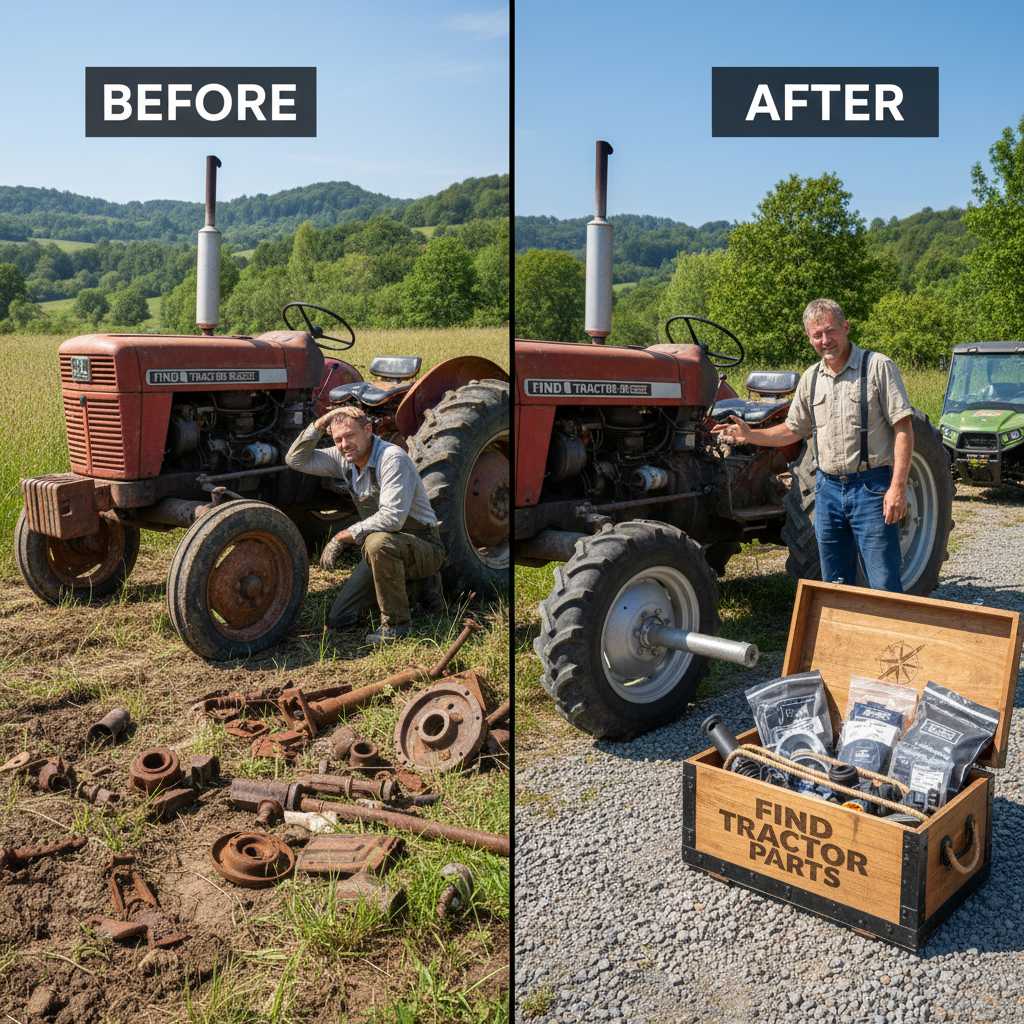
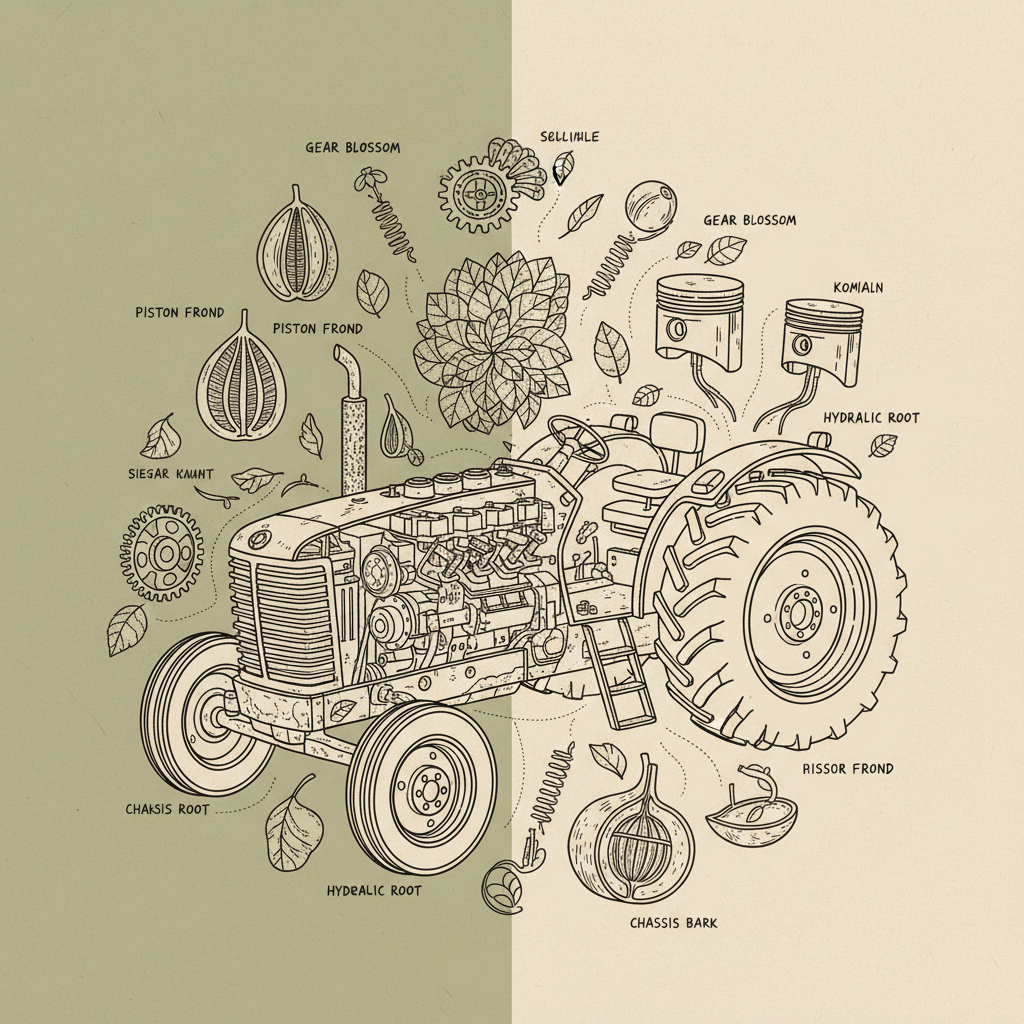
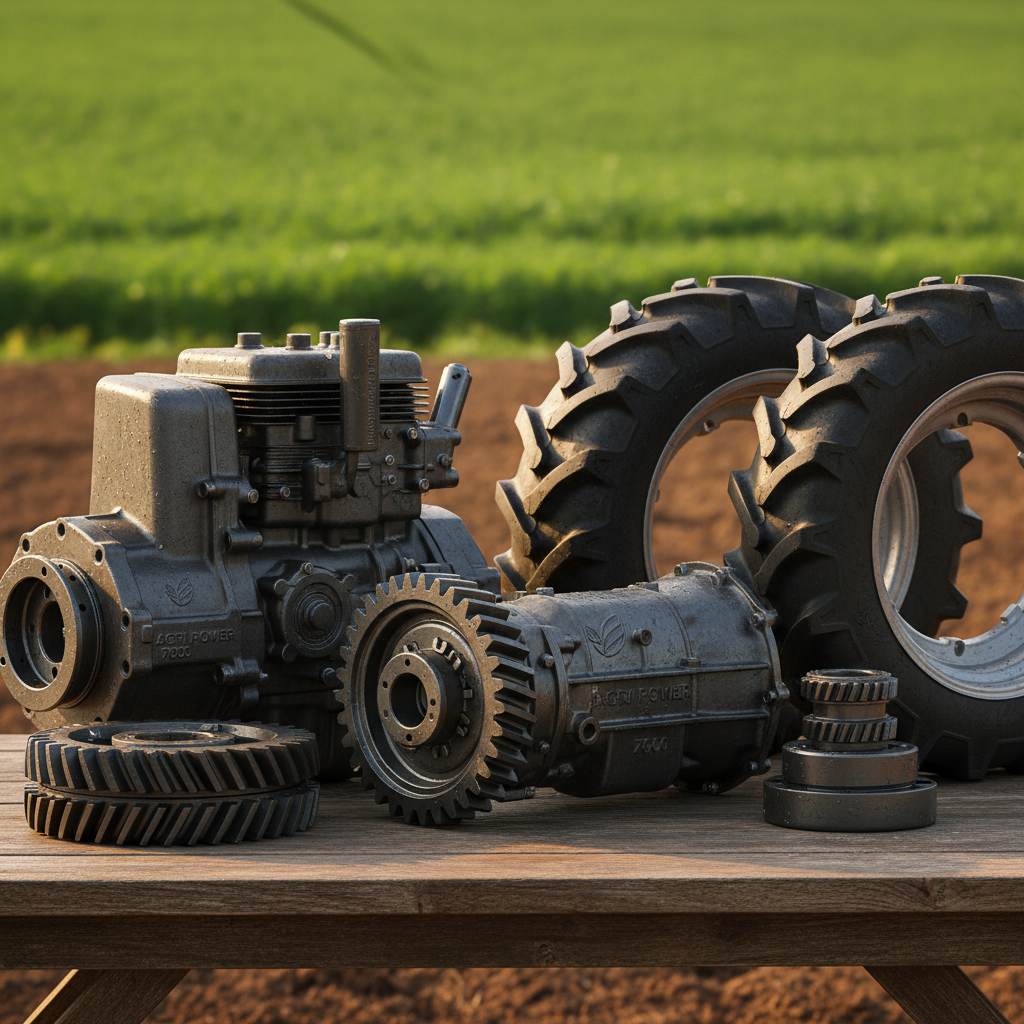
The global need to find tractor parts is paramount, driving agricultural efficiency and food security worldwide. From small family farms to large-scale commercial operations, access to reliable tractor parts ensures continued productivity and minimizes downtime. This impacts not only economic output but also the livelihoods of millions dependent on agriculture, particularly in developing nations where even a short disruption can have devastating consequences.
The increasing complexity of modern tractors necessitates specialized knowledge and sourcing capabilities to find tractor parts efficiently. Globalization has created a fragmented supply chain, requiring robust logistics and quality control measures. Furthermore, the demand for sustainable agricultural practices is driving innovation in tractor technology and the corresponding parts required for maintenance and repair.
Understanding the nuances of procuring the correct tractor parts – whether through authorized dealerships, independent suppliers, or online marketplaces – is crucial for optimizing operational costs and ensuring long-term equipment reliability. This knowledge empowers farmers and agricultural businesses to maintain productivity and contribute to a stable global food supply, ultimately highlighting the importance of being able to find tractor parts readily.
The Importance of Finding Tractor Parts
The ability to quickly and reliably find tractor parts is critical for minimizing downtime and maximizing agricultural output. Unexpected breakdowns can occur at any time, especially during peak seasons, leading to significant financial losses for farmers. Access to a readily available supply chain for tractor components directly impacts productivity and profitability.
Beyond immediate repairs, proactive maintenance relies heavily on consistent access to replacement parts. Regularly replacing worn components prevents larger, more costly failures and extends the overall lifespan of the tractor, making the process to find tractor parts a cornerstone of effective farm management.
Defining Tractor Part Sourcing
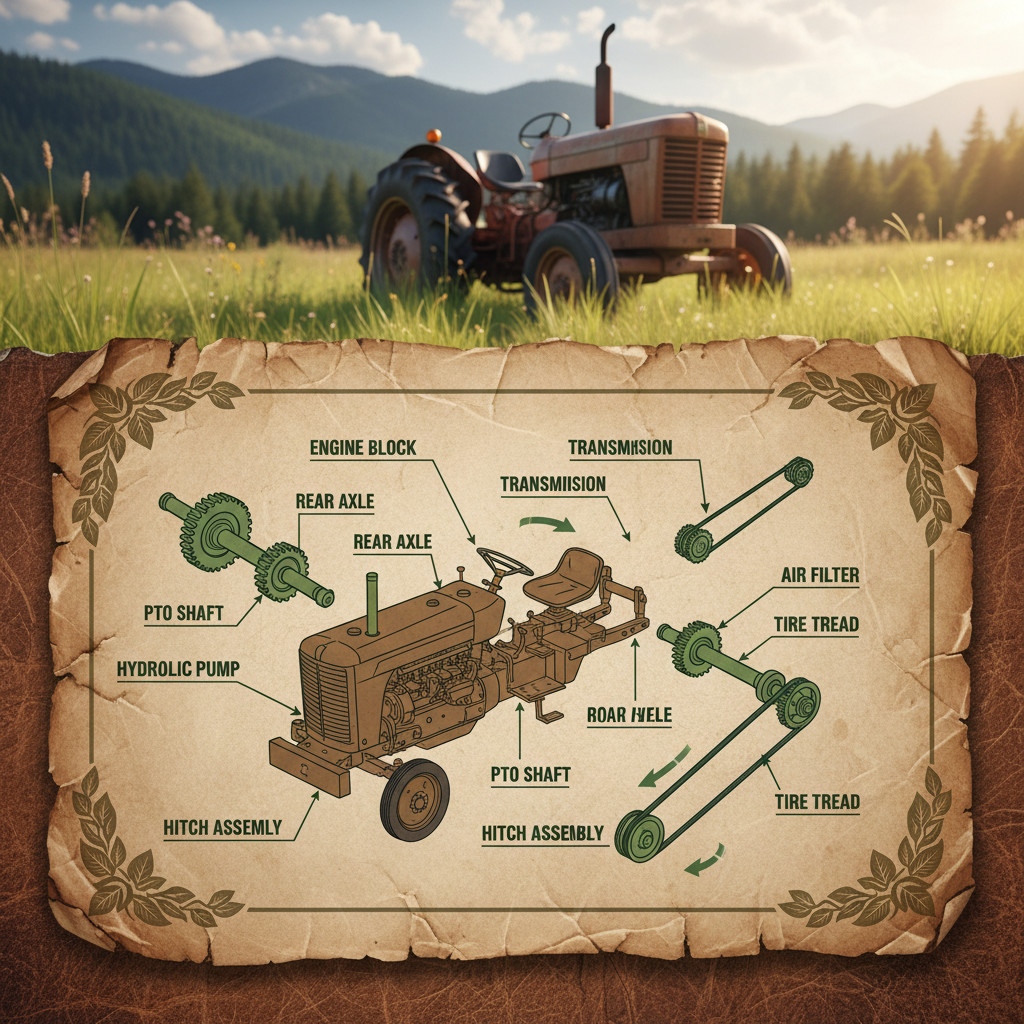
Tractor part sourcing encompasses the entire process of identifying, locating, and acquiring the necessary components to maintain or repair a tractor. This includes everything from simple filters and lubricants to complex engine parts and electronic sensors. Effective sourcing involves a balance between cost, quality, and delivery time.
The landscape of tractor part sourcing has evolved significantly in recent years, with the rise of online marketplaces offering a wider selection and competitive pricing. However, verifying the authenticity and quality of parts purchased online is crucial. Authorized dealerships remain a trusted source for genuine parts, albeit often at a higher cost.
Ultimately, the best approach to find tractor parts depends on the specific needs of the user, the age and model of the tractor, and the urgency of the repair. A combination of channels may be necessary to ensure a consistent and reliable supply.
Core Aspects of Tractor Part Reliability
Reliability in tractor parts hinges on several key factors, including the quality of materials, manufacturing precision, and adherence to industry standards. Genuine parts, manufactured by the original equipment manufacturer (OEM), are generally considered the most reliable due to their stringent quality control processes.
Beyond OEM parts, aftermarket components can offer viable alternatives, especially when cost is a primary concern. However, it's crucial to carefully evaluate the reputation and quality certifications of aftermarket suppliers. Investing in durable and well-engineered parts minimizes the risk of premature failure and extends the service life of the tractor.
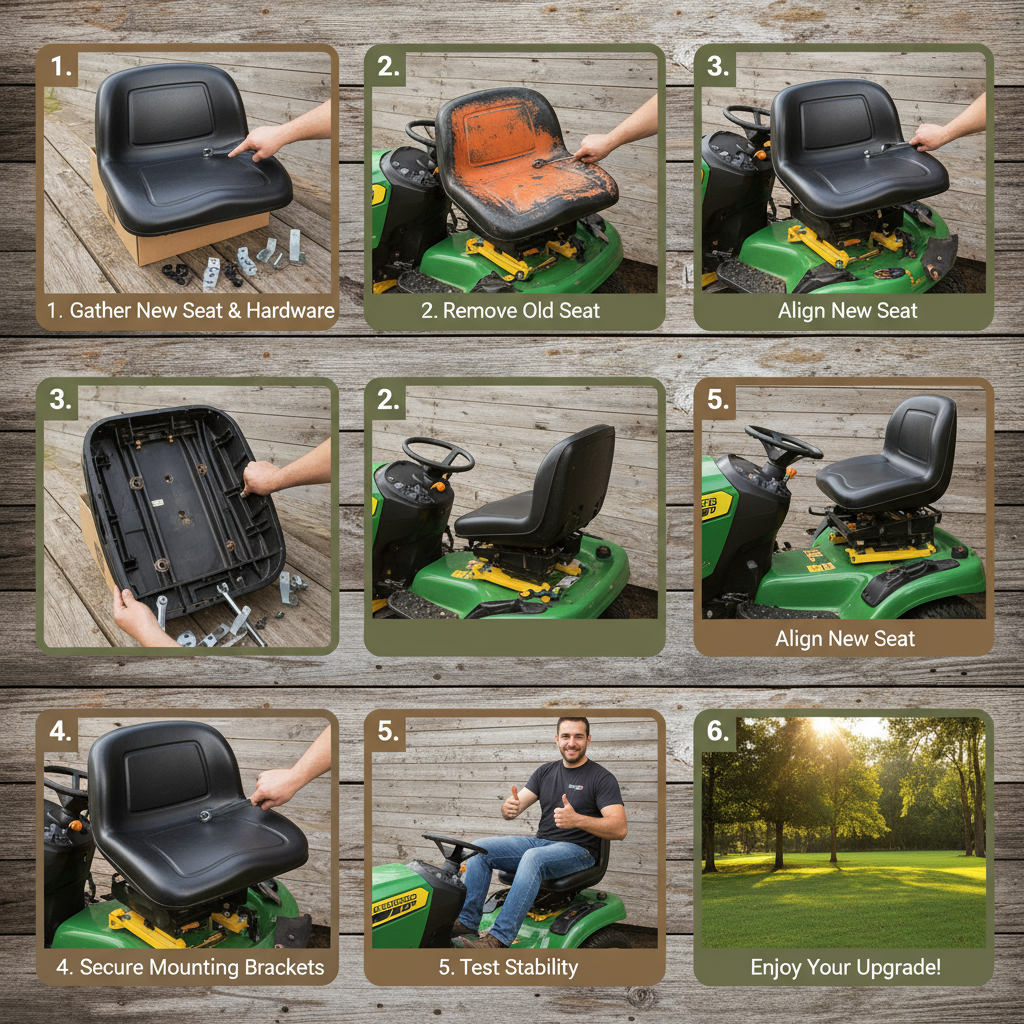
Proper installation and maintenance also contribute significantly to the reliability of tractor parts. Incorrectly installed components can fail prematurely, even if they are of high quality. Following the manufacturer's recommended maintenance schedules and using the correct lubricants are essential for ensuring optimal performance.
Key Factors in Tractor Part Selection
Selecting the right tractor parts requires careful consideration of several factors. Compatibility with the tractor model is paramount – using incorrect parts can lead to damage and void warranties. The operating environment also plays a role; tractors used in harsh conditions may require more durable components.
Budget constraints often influence the decision-making process. While genuine OEM parts offer the highest level of quality, aftermarket alternatives can provide a cost-effective solution, provided they meet the required specifications. The availability of parts, lead times, and shipping costs also need to be factored into the equation.
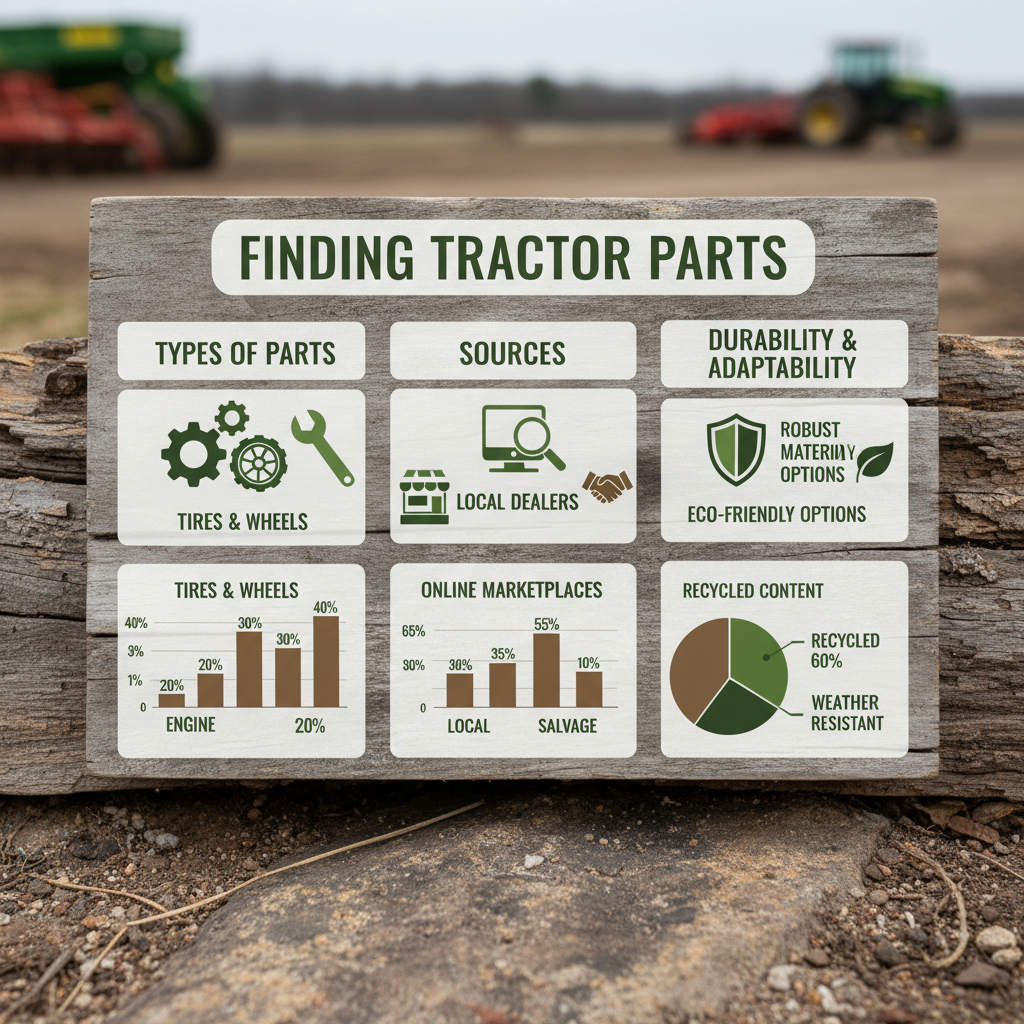
Tractor Part Selection Criteria Rating
Global Applications of Tractor Parts
The demand to find tractor parts extends across diverse agricultural landscapes globally. In North America and Europe, sophisticated farming operations rely on readily available parts for maintaining advanced machinery. In developing countries, access to affordable and durable parts is critical for smallholder farmers to improve yields and sustain their livelihoods.
From the expansive wheat fields of the Great Plains to the rice paddies of Southeast Asia, the need for tractor parts remains constant. In regions facing challenging climates and terrains, the demand for robust and reliable components is particularly acute. The availability of parts directly impacts food production and economic stability in these areas.
Advantages of Efficient Tractor Part Supply
An efficient supply chain for tractor parts delivers numerous benefits, including reduced downtime, lower maintenance costs, and increased productivity. Quick access to replacement parts minimizes disruptions to farming operations, allowing farmers to complete harvests on schedule.
Improved tractor reliability translates to lower repair expenses and a longer lifespan for the equipment. Proactive maintenance, facilitated by readily available parts, prevents costly breakdowns and ensures optimal performance. This ultimately contributes to increased profitability for agricultural businesses.
Furthermore, a robust tractor part supply chain supports sustainable agricultural practices by enabling farmers to maintain their equipment efficiently and minimize waste. This contributes to a more environmentally responsible and economically viable farming sector.
Trends and Challenges in Tractor Part Procurement
The tractor part procurement landscape is evolving rapidly, driven by technological advancements and changing market dynamics. The rise of e-commerce has made it easier to find tractor parts online, but it also presents challenges related to quality control and authenticity.
Increasingly, manufacturers are incorporating digital technologies into their parts supply chains, such as online catalogs, electronic parts ordering systems, and predictive maintenance tools. These innovations streamline the procurement process and improve efficiency.
However, challenges remain, including supply chain disruptions, counterfeit parts, and the increasing complexity of modern tractors. Addressing these challenges requires collaboration between manufacturers, suppliers, and farmers to ensure a reliable and secure supply of quality tractor parts.
Table Summarizing Key Trends in Tractor Part Procurement
| Trend |
Impact on Availability |
Impact on Cost |
Risk Level |
| E-commerce Growth |
Increased Accessibility |
Potential for Lower Prices |
Medium (Counterfeit Risk) |
| Digital Catalogs |
Improved Search Efficiency |
Reduced Ordering Errors |
Low |
| Supply Chain Disruptions |
Reduced Availability |
Increased Prices |
High |
| Counterfeit Parts |
Inflated Availability (False Sense) |
Lower Initial Cost |
High (Performance & Safety) |
| Increased Tractor Complexity |
Requires Specialized Parts |
Potentially Higher Costs |
Medium |
| Predictive Maintenance |
Proactive Parts Ordering |
Reduced Emergency Costs |
Low |
FAQS
When purchasing tractor parts online, always prioritize reputable suppliers with established track records. Look for certifications, read customer reviews, and verify the supplier's contact information. Compare prices carefully – significantly lower prices may indicate counterfeit products. If possible, request documentation confirming the part's origin and authenticity before making a purchase, and always ensure the part matches your tractor’s model and serial number.
The replacement frequency for common tractor parts depends on operating conditions and usage. Generally, oil filters should be replaced with every oil change (typically 50-100 hours of operation). Air filters should be checked regularly and replaced when dirty. Belts should be inspected for cracks or wear and replaced proactively to prevent failures. Refer to your tractor's owner's manual for specific recommendations tailored to your model.
Genuine OEM (Original Equipment Manufacturer) tractor parts are designed and manufactured to the exact specifications of your tractor. This ensures optimal performance, compatibility, and reliability. Using OEM parts minimizes the risk of damage, prolongs the lifespan of your equipment, and often maintains warranty coverage. While they may be more expensive upfront, they often provide better long-term value and peace of mind.
If you're struggling to find tractor parts, start by contacting your local tractor dealership. They may be able to order the part directly from the manufacturer. Explore online parts marketplaces, but exercise caution and verify the supplier’s reputation. Consider searching for used or refurbished parts from reputable salvage yards, and always confirm compatibility before purchasing.
Finding parts for older, discontinued tractor models can be challenging but not impossible. Specialized salvage yards and online communities dedicated to vintage tractors are valuable resources. You may need to be patient and persistent in your search, as availability can be limited. Sometimes, aftermarket manufacturers will produce compatible parts for older models.
Using substandard or counterfeit tractor parts poses significant risks. These parts may not meet safety standards, leading to equipment failure, injury, or even death. They can also cause damage to other components of your tractor, resulting in costly repairs. Counterfeit parts often have a shorter lifespan and perform poorly, ultimately negating any initial cost savings.
Conclusion
The ability to efficiently find tractor parts is fundamental to the success of modern agriculture. From ensuring food security to maximizing farm profitability, a reliable supply chain for tractor components is crucial. Understanding the key factors influencing part selection, embracing technological advancements, and prioritizing quality are essential for navigating the evolving landscape of tractor part procurement.
Looking ahead, proactive maintenance strategies, coupled with the adoption of predictive technologies, will further enhance the efficiency and sustainability of agricultural operations. Investing in genuine parts and establishing strong relationships with trusted suppliers will ensure the long-term reliability and productivity of farming equipment. Visit our website at www.changshuokj.com to explore our comprehensive range of tractor parts and solutions.