Look, I've spent the last fifteen years breathing dust on construction sites, hands-on with every piece of equipment. A comfortable and reliable lawn mower seat isn’t some luxury – it’s critical. It impacts operator fatigue, productivity, and frankly, safety. You've got folks running these machines eight, ten hours a day. A bad seat doesn’t just make for a miserable shift; it leads to back pain, decreased focus, and ultimately, accidents. It's something everyone overlooks until it's causing real problems.
What’s been frustrating me for years is the inconsistency in quality. You’ll find seats that fall apart after a single season, others that offer zero support, and still others that just aren’t built to withstand the vibrations and harsh conditions these machines endure. We need seats designed by people who understand the realities of the job, not just designed in an office. This is why the current market desperately needs robust, operator-focused lawn mower seat options.
It's also about recognizing that every operator is different. What works for one person won’t work for another. Adjustable features, proper lumbar support, and durable materials aren’t just ‘nice-to-haves’ they're essential for maximizing efficiency and minimizing risk. It's a surprisingly complex problem that impacts the whole operation.
The Importance of a Well-Designed lawn mower seat
I’ve seen firsthand how a poorly designed lawn mower seat can ruin a day. Guys are bouncing around, getting thrown off balance, and ending up sore and exhausted. That’s not just uncomfortable; it's dangerous. A good seat is the foundation of operator control and efficiency. It minimizes fatigue, improves posture, and allows the operator to focus on the task at hand.
It’s also about preventing long-term health issues. Constant vibration and jarring impacts can lead to serious back problems and other musculoskeletal disorders. Investing in a high-quality seat is an investment in your workforce – and in the long-term sustainability of your operation.
Understanding lawn mower seat Construction and Materials
You start with the frame. A lot of seats use cheap plastic, which cracks and breaks under stress. Steel frames are the way to go – robust, durable, and capable of handling the constant pounding. Then you get into the cushioning. Foam density is critical; too soft, and it won’t provide adequate support. Too hard, and it’ll feel like sitting on a brick. We're looking for a sweet spot there.
The upholstery matters too. Vinyl is common, but it can get hot and sticky in the sun. Breathable fabrics are a better option, providing more comfort in all kinds of weather. And don’t forget the suspension system. A good suspension absorbs shocks and vibrations, minimizing the impact on the operator’s body.
Finally, the build quality of the hardware—bolts, hinges, adjustment mechanisms—is hugely important. Corrosion resistance is key, especially in outdoor environments. Using stainless steel fasteners and powder-coated finishes can dramatically extend the life of the seat.
Key Features for Operator Comfort and Safety
Adjustability is king. You need to be able to adjust the seat height, backrest angle, and lumbar support to find the perfect fit. Every operator is different, and a one-size-fits-all approach just doesn’t cut it. Having an armrest is also huge for reducing fatigue.
Safety features are paramount. A seat belt is a must, preventing the operator from being thrown off the machine in the event of a sudden stop or impact. Some seats also have built-in proximity switches that automatically shut down the engine if the operator leaves the seat. That’s a lifesaver.
Beyond those, think about things like vibration dampening, breathable materials, and even simple things like a well-placed grab handle for easy mounting and dismounting. These details add up to a big difference in operator comfort and safety.
Ergonomic Considerations in lawn mower seat Design
Ergonomics isn’t just a buzzword; it’s about designing a seat that supports the natural curves of the spine and minimizes strain on the body. Proper lumbar support is crucial, preventing lower back pain and promoting good posture. The seat pan should be wide and deep enough to provide ample support for the thighs and buttocks.
Think about the angle of the backrest. It should be adjustable to accommodate different body types and preferences. A slightly reclined position can help reduce fatigue, while a more upright position can provide better support for certain tasks.
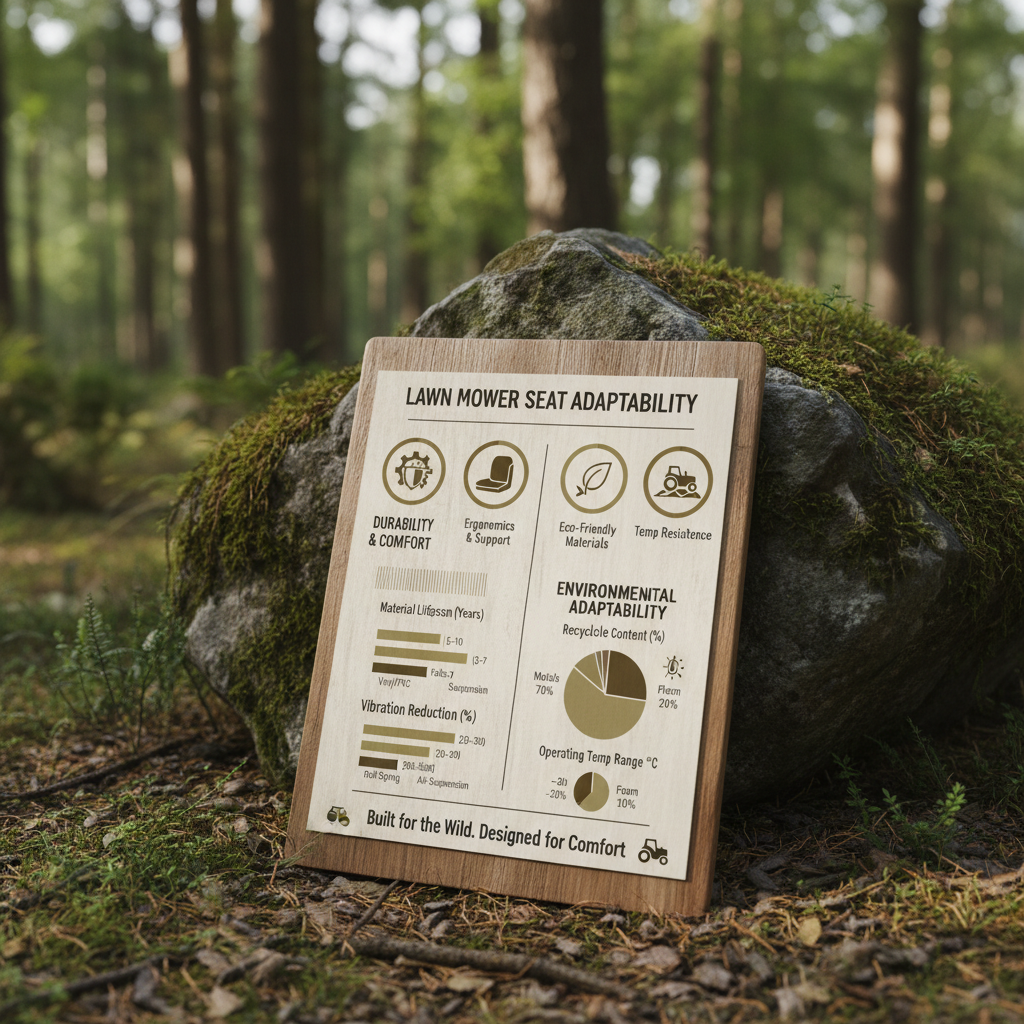
lawn mower seat Ergonomic Feature Ratings
Global Applications and Industry Standards for lawn mower seat
From construction to agriculture, landscaping, and even mining, a good lawn mower seat is essential wherever operators spend long hours behind the controls. The demands vary, of course. A seat for a combine harvester needs to be different than a seat for a skid steer.
There are industry standards, like those set by OSHA and ISO, that dictate certain safety requirements for operator seating. These standards cover things like seat belt attachment points, vibration dampening, and flammability. But often, those are minimums. Companies that prioritize operator comfort and safety go above and beyond those requirements.
Long-Term Benefits and Cost Analysis of Quality lawn mower seat
It’s easy to look at the upfront cost of a high-quality lawn mower seat and think it’s too expensive. But you have to consider the long-term benefits. Reduced operator fatigue means increased productivity. Fewer injuries mean lower workers’ compensation costs. And a longer-lasting seat means less frequent replacement.
When you factor in all those savings, a quality seat often pays for itself in a very short amount of time. It’s a smart investment, not an expense. Plus, happy operators are more likely to stay with your company, reducing turnover and training costs.
Think of it this way: the cost of a good seat is a fraction of the cost of a lost-time injury or a dissatisfied employee.
Future Trends and Innovations in lawn mower seat Technology
We're starting to see some really exciting innovations in lawn mower seat technology. Active suspension systems that automatically adjust to the terrain are becoming more common. These systems provide a smoother ride and reduce operator fatigue even further.
Another trend is the use of smart materials that can change their properties in response to external stimuli. For example, a seat cushion could automatically adjust its firmness based on the operator’s weight and posture.
I also expect to see more integration of sensors and data analytics. Seats could be equipped with sensors that monitor operator posture, vibration exposure, and even heart rate. This data could be used to provide personalized recommendations for improving comfort and safety.
A Comparative Analysis of lawn mower seat Features and Performance
| Seat Model |
Vibration Dampening (1-10) |
Adjustability Options |
Overall Durability (1-10) |
| Model A |
7 |
Height & Backrest |
6 |
| Model B |
9 |
Full Adjustment |
8 |
| Model C |
6 |
Height Only |
5 |
| Model D |
8 |
Height & Lumbar |
7 |
| Model E |
5 |
None |
4 |
| Model F |
10 |
Full Adjustment + Active Suspension |
9 |
FAQS
Hands down, it's prioritizing price over comfort and durability. A cheap seat might save you money upfront, but it’ll cost you in the long run – through reduced productivity, increased fatigue, and potential injuries. Investing in a quality seat designed for the specific application is always the smarter move.
That depends on usage and conditions. But generally, you should inspect the seat annually for wear and tear. If you notice cracks, tears, or excessive wear, it’s time to replace it. Don't wait until it fails completely. A preventative replacement is much better than dealing with a sudden breakdown.
Adjustability is crucial! Operators come in all shapes and sizes. An adjustable seat allows each person to customize the fit to their body, providing optimal support and comfort. Height, backrest angle, and lumbar support are the key adjustments to look for.
Absolutely. Different machines create different demands. A seat for a zero-turn mower will be different than a seat for a tractor. Consider the type of work being done and the level of vibration involved when choosing a seat. Look for seats specifically designed for that machine type.
Very important! A good suspension system absorbs shocks and vibrations, reducing fatigue and improving operator comfort. The more rugged the terrain, the more important the suspension becomes. Active suspension systems are the best, but even a basic spring or elastomer suspension is better than nothing.
Steel frames are essential for durability. For upholstery, look for breathable, UV-resistant fabrics. Stainless steel hardware will resist corrosion. Avoid plastic frames and cheap vinyl upholstery; they won't hold up over time. Remember the seat needs to endure the elements!
Conclusion
Ultimately, choosing the right lawn mower seat isn’t just about comfort; it’s about safety, productivity, and long-term cost savings. It’s an investment in your workforce and the efficiency of your operation. Don't skimp on this critical piece of equipment.
Look ahead, we'll see even more advanced features incorporated into lawn mower seating – active suspension, smart materials, and data analytics. Stay informed, prioritize operator needs, and don't be afraid to invest in quality. Your operators – and your bottom line – will thank you. For quality seats and expert advice, visit our website: www.changshuokj.com