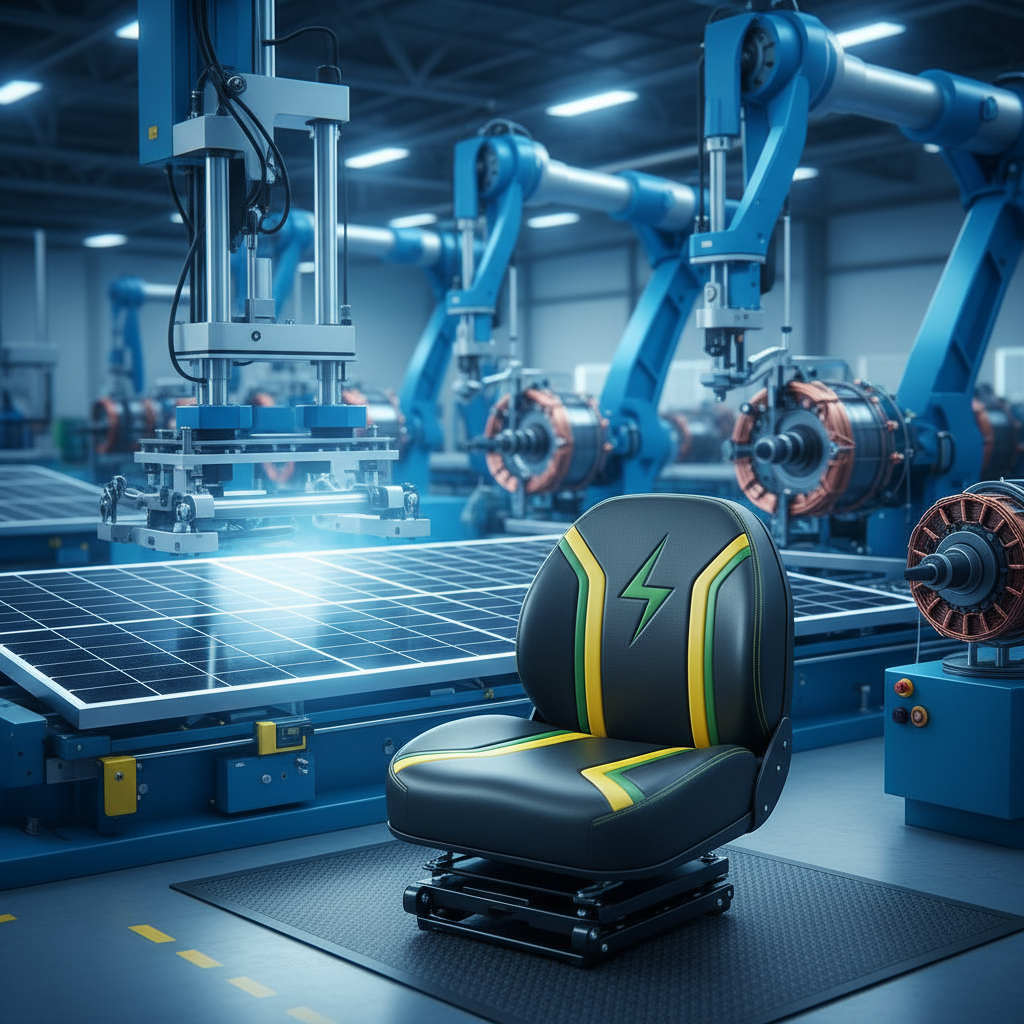
When it comes to operating heavy-duty garden machinery for extended periods, the importance of ergonomic support cannot be overstated. A high-quality lawn mower seat with armrest is not merely a luxury add-on but a critical component that directly influences operator fatigue and overall productivity. By providing essential lateral support and reducing strain on the upper body, these specialized seats transform a grueling chore into a manageable task.
Globally, the demand for enhanced operator comfort in the landscaping and agricultural sectors has surged as professional crews handle larger acreage with greater frequency. The integration of armrests into tractor and mower seating addresses the physiological need for stability, especially when navigating uneven terrains. This shift towards human-centric design reflects a broader industry trend where safety and ergonomic wellness are prioritized to prevent long-term musculoskeletal injuries.
Understanding the nuances of a lawn mower seat with armrest involves looking beyond the cushioning. It requires an analysis of material durability, adjustability, and the mechanical integration with the machine's chassis. Whether you are upgrading a vintage tractor or specifying components for a new fleet of zero-turn mowers, choosing the right seating solution ensures both operational efficiency and user satisfaction.
Ergonomic Design and Operator Comfort
The primary objective of a lawn mower seat with armrest is to distribute the operator's weight evenly while providing stable points of contact. By incorporating armrests, the seat reduces the load on the shoulders and lower back, allowing the operator to maintain a more upright and natural posture during long shifts. This is particularly vital for zero-turn mowers where rapid direction changes can otherwise cause the operator to slide.
Furthermore, the contouring of the seat back and the angle of the armrests are engineered to minimize vibration transfer. When combined with high-density foam, these elements act as a shock-absorption system, significantly lowering the risk of fatigue. This ergonomic approach ensures that the professional operator remains alert and precise, directly impacting the quality of the lawn finish and the safety of the operation.
Material Durability and Weather Resistance
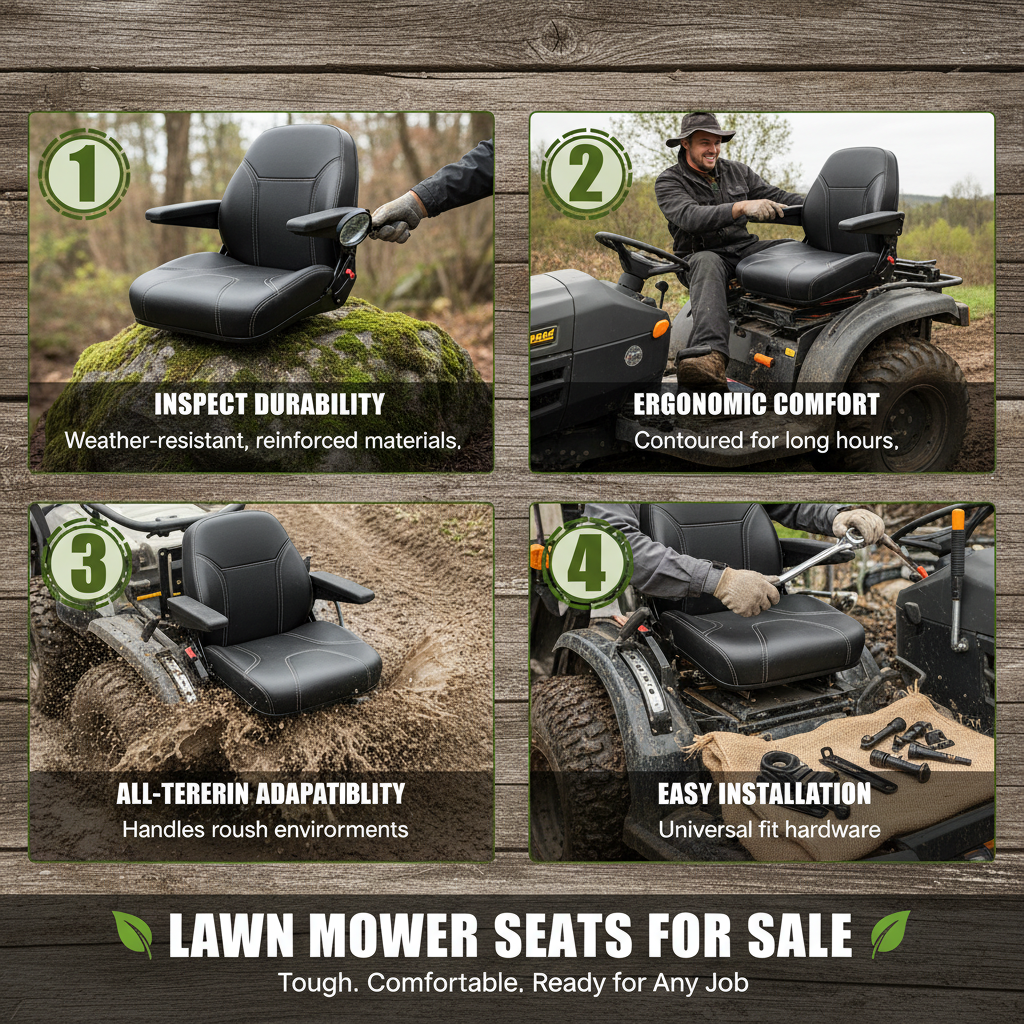
Since these components are exposed to the elements, the choice of materials for a lawn mower seat with armrest is paramount. High-grade UV-resistant vinyl and reinforced polymers are standard, ensuring that the seat does not crack or fade under intense sunlight. The armrests are often capped with thermoplastic elastomers that provide a grip-friendly surface while resisting chemical degradation from fertilizers and oils.
Beyond the surface, the internal structural frame must withstand constant stress and varying weights. Most premium seats utilize powder-coated steel or heavy-duty reinforced plastics to prevent corrosion. This structural integrity ensures that the armrests remain securely attached and functional even after years of rigorous use in humid or rainy environments, maintaining the seat's original geometric support.
Waterproofing is another critical factor. Double-stitched seams and heat-sealed joints prevent moisture from seeping into the foam core, which would otherwise lead to mold growth and a loss of cushioning properties. By focusing on "weather-proofing" the design, manufacturers provide a product that offers a long lifecycle, reducing the total cost of ownership for commercial landscaping firms.
Key Installation and Compatibility Factors
Integrating a new lawn mower seat with armrest requires a careful assessment of the mounting plate and bolt patterns. Most universal seats are designed to fit standard tractor patterns, but specific brands may require adapter brackets to ensure a flush fit. Proper alignment is essential to ensure the armrests are positioned correctly relative to the steering levers.
One of the most overlooked aspects of the lawn mower seat with armrest is the clearance between the armrests and the machine's controls. If the armrests are too wide or non-adjustable, they can interfere with the operator's ability to reach the throttle or steering handles, creating a safety hazard. Adjustable armrests solve this by allowing the user to customize the width based on their body frame.
Finally, the weight capacity of the base must be verified. A seat designed for a residential mower may not support the heavy-duty requirements of a commercial unit. Checking the ISO standards for seat strength ensures that the lawn mower seat with armrest can handle dynamic loads, such as when the mower hits a bump or a dip in the terrain.
Performance Metrics and User Ratings
Evaluating the effectiveness of a lawn mower seat with armrest involves measuring several key performance indicators (KPIs), including lumbar support efficiency, vibration damping, and ease of ingress/egress. Users typically rate these seats based on how they feel after four hours of continuous use, with "comfort longevity" being the highest-weighted metric.
The following data represents a comparison across different design configurations. While some prioritize maximum cushioning, others focus on stability and lateral support, which is essential for high-speed maneuvers. The ratings reflect a synthesis of professional operator feedback and engineering stress tests.
Comparative Comfort Ratings for Mower Seat Configurations
Global Applications in Landscaping
In North America and Europe, the adoption of the lawn mower seat with armrest is driven by strict occupational health and safety (OHS) guidelines. Commercial landscaping companies invest in these seats to reduce worker compensation claims related to chronic back pain. The use of these seats is standard in large-scale municipal park maintenance and airport runway grass management, where operators spend 8-10 hours a day in the seat.
In emerging markets, particularly in Southeast Asia and South America, there is a growing trend toward mechanizing agricultural maintenance. The introduction of ergonomic seating is helping these regions transition from manual labor to machine-assisted farming, improving the dignity and health of the workers. By providing professional-grade support, these seats enable a higher standard of precision in land management across diverse global climates.
Long-term Value and Maintenance
Investing in a high-end lawn mower seat with armrest offers tangible long-term value by extending the operational lifespan of the equipment. When an operator is comfortable, they are less likely to make erratic movements or experience fatigue-driven errors that could lead to machine damage. The reliability of the armrest mechanism ensures that the seat remains a supportive tool rather than a liability.
From a sustainability perspective, choosing a seat with replaceable armrest pads and covers prevents the need to replace the entire unit when only a small part is worn. This modular approach to maintenance reduces industrial waste and lowers the long-term expenditure for fleet managers. Regular cleaning with mild detergents and occasional conditioning of the vinyl can further extend the seat's life by several years.
Ultimately, the logical angle of investing in quality seating is the ROI on human capital. A healthy, comfortable operator is a more productive one. By reducing the physical toll of the job, companies can retain experienced staff and reduce turnover, making the lawn mower seat with armrest an essential asset for any professional landscaping business.
Future Trends in Mower Seating Tech
The future of the lawn mower seat with armrest lies in the integration of "smart" materials and active suspension. We are seeing the emergence of memory foams that adapt to the operator's unique body shape in real-time, providing personalized support that evolves throughout the workday. Additionally, integrated heating and cooling elements are being developed to maintain operator core temperature in extreme weather.
Automation is also playing a role. As autonomous mowers become more common, the seats for "supervisory" operators are evolving. These seats may feature integrated digital displays built into the armrests, allowing the operator to monitor multiple robotic mowers from a single, comfortable command center. This digital transformation turns the seat into an interactive hub of operational control.
Sustainability will continue to drive innovation, with the shift toward bio-based polymers and recycled ocean plastics for the seat shells. The goal is to maintain the same level of durability and comfort while reducing the carbon footprint of the manufacturing process. This commitment to green technology ensures that the next generation of mower seats is as kind to the planet as it is to the operator's back.
Comparison Analysis of Mower Seat Technical Specifications
| Seat Category |
Support Level |
Durability Rating |
Ideal Use Case |
| Standard Entry |
Basic |
6/10 |
Residential Yards |
| Ergo-Professional |
High |
8/10 |
Commercial Contracts |
| Air-Ride Premium |
Maximum |
9/10 |
Municipal Maintenance |
| Industrial Heavy |
Medium-High |
10/10 |
Agricultural Fields |
| Custom Adjustable |
Adaptive |
7/10 |
Multi-Operator Fleets |
| Compact Utility |
Low-Medium |
7/10 |
Small Estate Care |
FAQS
A seat with armrests provides critical lateral stability and reduces the strain on the upper body. It prevents the operator from sliding during turns and allows the arms to rest, which significantly decreases fatigue during long hours of operation, ultimately improving safety and productivity.
Check the mounting hole patterns and the overall base dimensions. Most professional seats follow ISO standards, but you should verify the bolt spacing and the height of the seat. If the patterns differ, you can often use a universal adapter plate to ensure a secure fit.
Many premium models offer adjustable armrests that can be moved inward or outward. This is crucial for accommodating different operator sizes and ensuring that the armrests do not interfere with the steering levers or controls of the machine.
Look for UV-resistant vinyl, high-density waterproof foam, and powder-coated steel frames. These materials resist cracking from sun exposure and prevent rust, ensuring the seat maintains its structural integrity and comfort over several seasons of use.
While some aftermarket armrest kits exist, it is generally safer and more ergonomic to replace the entire unit with a dedicated lawn mower seat with armrest. Integrated designs provide better weight distribution and structural stability than add-on kits.
Regularly wipe down the vinyl with a damp cloth to remove debris and chemicals. Use a UV-protectant vinyl conditioner once a season to prevent cracking. Additionally, check the mounting bolts periodically to ensure the seat remains stable and secure.
Conclusion
In summary, the lawn mower seat with armrest is a fundamental investment in both operational efficiency and human health. By combining ergonomic support, weather-resistant materials, and precision engineering, these seats mitigate the physical toll of professional landscaping. From reducing operator fatigue to enhancing stability on uneven terrain, the right seating solution transforms the user experience and protects the long-term well-being of the worker.
As the industry moves toward smarter, more sustainable machinery, the role of the operator's interface—specifically the seat—will only become more important. Whether you are a fleet manager seeking to reduce turnover or a homeowner looking for maximum comfort, prioritizing ergonomic seating is a logical step toward a more productive and safe working environment. Explore our high-performance seating solutions today. Visit our website: www.changshuokj.com