Maintaining the comfort and functionality of your outdoor power equipment is essential for long-term productivity. A worn-out seat doesn't just cause physical discomfort; it can lead to operator fatigue and potentially compromise safety during operation. Investing in a high-quality riding mower seat replacement is the most effective way to restore the ergonomic integrity of your machine, ensuring that every hour spent in the garden is as efficient as possible.
Across the global landscaping and agricultural sectors, the demand for durable seating solutions has risen as equipment usage cycles intensify. Whether you are managing a professional estate or a residential backyard, the seat is the primary interface between the human operator and the machine. When this interface fails due to UV exposure, weathering, or material fatigue, a timely replacement prevents further degradation of the tractor frame and improves the overall user experience.
Understanding the nuances of material science—from high-density foam to weather-resistant vinyl—allows owners to make informed decisions. By focusing on a riding mower seat replacement that matches the specific weight capacity and mounting patterns of their equipment, users can extend the lifespan of their tractors while maintaining a professional standard of operation.
Global Importance of Seat Maintenance
In the global agricultural and landscaping market, the longevity of machinery is directly tied to the maintenance of its touchpoints. Statistics from equipment durability studies suggest that operator fatigue increases by nearly 30% when seating support is compromised. This makes a riding mower seat replacement not just a matter of luxury, but a necessity for operational safety and efficiency.
From the sprawling vineyards of Europe to the vast lawns of North America, the environmental stressors—such as extreme UV radiation and humidity—accelerate the breakdown of synthetic leather and foam. By implementing a scheduled replacement cycle, commercial operators can reduce downtime and ensure that their workforce remains productive and comfortable throughout the peak growing season.
Defining the Replacement Process
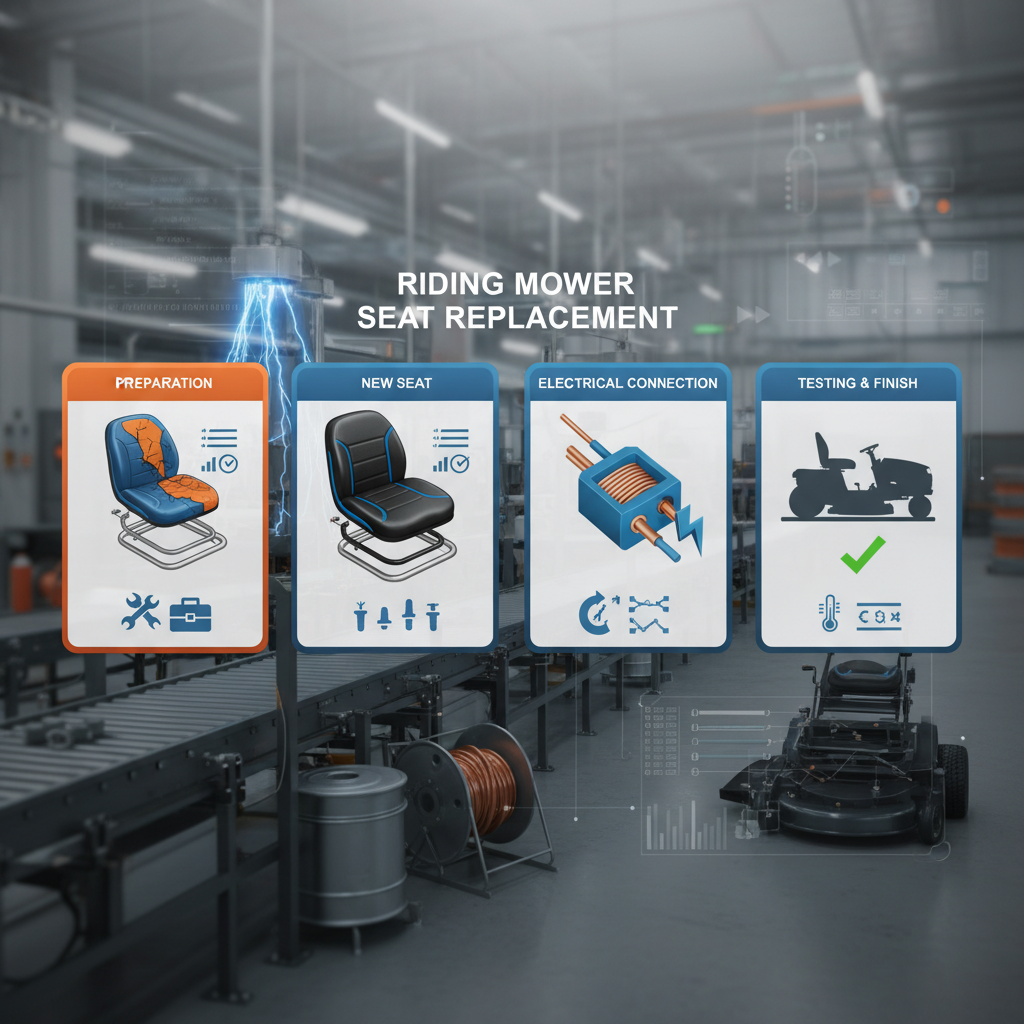
At its core, a riding mower seat replacement involves the removal of a degraded or damaged operator's seat and the installation of a compatible unit that meets the original equipment manufacturer (OEM) specifications or exceeds them through aftermarket upgrades. This process is critical because the seat often houses safety switches—such as the operator presence system—which prevent the mower from operating without a driver.
Modern industry standards, influenced by ISO ergonomic guidelines, emphasize that a replacement seat should provide lumbar support, vibration dampening, and breathable materials. In the context of humanitarian or large-scale municipal land management, these upgrades ensure that operators can work longer hours without risking chronic back pain or musculoskeletal disorders.
Beyond the physical seat, the replacement process includes evaluating the mounting brackets and the adjustment levers. A truly comprehensive replacement ensures that the seat can be shifted forward or backward to accommodate different operator heights, maintaining a safe distance from the steering wheel and control pedals.
Core Components of Durable Seating
When selecting a riding mower seat replacement, durability is the primary metric. This is achieved through the use of high-grade polymers and UV-stabilized vinyl that resist cracking and peeling under the harsh glare of the midday sun. The shell of the seat must be rigid enough to maintain its shape while offering enough flex to absorb the shocks of uneven terrain.
The internal cushioning is where true comfort resides. High-density molded foam is preferred over standard sponge because it retains its loft over thousands of hours of use. In a professional riding mower seat replacement, the foam is often contoured to distribute weight evenly across the hips and thighs, reducing pressure points that cause numbness.
Finally, the integration of the safety switch and the mounting hardware determines the ease of installation. Stainless steel or powder-coated bolts are essential to prevent rust, ensuring that the seat remains securely fastened to the tractor chassis. A seamless fit minimizes vibrations, which further protects the operator's spine from repetitive impact.
Practical Applications and Use Cases
The application of riding mower seat replacement varies significantly across different sectors. In professional golf course management, where operators may spend 8 to 10 hours a day on a machine, premium suspension seats are utilized to mitigate the effects of constant vibration. These high-end replacements often feature adjustable spring tensions to match the operator's weight.
In residential settings, the focus shifts toward weather-resistance and cost-efficiency. Homeowners typically seek a replacement that can withstand being stored in semi-open sheds where temperature fluctuations are common. Meanwhile, in municipal park maintenance, the emphasis is on "heavy-duty" ratings, as these machines are often shared by multiple employees of varying sizes.
Efficiency Gains from Riding Mower Seat Replacement
Long-Term Value and Reliability
Investing in a quality riding mower seat replacement offers tangible long-term value by preserving the resale value of the equipment. A tractor with a ripped, weathered seat suggests poor overall maintenance to a potential buyer. Conversely, a pristine, upgraded seat signals that the machine has been cared for, allowing the owner to command a higher price in the second-hand market.
From a reliability standpoint, a new seat ensures that safety sensors function perfectly. Worn-out seats can sometimes fail to trigger the operator presence switch, which can either lead to the mower stalling unexpectedly or, more dangerously, failing to shut off the blades when the operator dismounts. Thus, the replacement is a critical safety upgrade that protects both the operator and the surrounding environment.
Future Trends in Ergonomic Design
The future of riding mower seat replacement is moving toward "smart" materials. We are seeing the emergence of temperature-regulating fabrics that stay cool in the summer and warm in the early spring, reducing the thermal stress on the operator. Additionally, the integration of antimicrobial coatings is becoming standard to prevent mold growth in humid climates.
Sustainability is also playing a massive role. Manufacturers are now developing seats made from recycled ocean plastics and biodegradable foams without sacrificing the structural integrity required for industrial use. This shift aligns with the global movement toward green energy and sustainable manufacturing in the electrical and mechanical equipment sectors.
Digital transformation is even reaching the seating area, with some high-end prototypes featuring integrated pressure sensors that can alert the operator via a mobile app when they have been sitting too long, suggesting a break to prevent deep vein thrombosis (DVT) and lower back stiffness.
Overcoming Common Replacement Challenges
One of the most common challenges in riding mower seat replacement is finding a universal fit. Many older tractor models have proprietary bolt patterns that are no longer supported by original manufacturers. To solve this, professional installers often use adapter plates, which allow a modern, ergonomic seat to be mounted onto an obsolete frame.
Another hurdle is the degradation of the existing mounting holes. Over years of vibration, the holes in the metal frame can elongate, leading to a "wobbly" seat even after a new one is installed. The expert solution involves using oversized washers or reinforcing the frame with weld-on plates to ensure a rock-solid connection.
Finally, the struggle with safety switch compatibility can be frustrating. When moving to an aftermarket seat, the switch may not align perfectly. The solution is to use adjustable switch brackets that can be fine-tuned to ensure the sensor is triggered only when the operator is fully seated, maintaining the highest safety standards.
Comparative Analysis of Riding Mower Seat Replacement Options
| Seat Category |
Durability Score (1-10) |
Installation Ease |
Primary Benefit |
| Standard OEM |
6 |
Very Easy |
Perfect Fit |
| Heavy-Duty Vinyl |
8 |
Easy |
Weather Resistance |
| Premium Ergonomic |
9 |
Moderate |
Back Support |
| Air-Suspension |
10 |
Difficult |
Vibration Reduction |
| Budget Aftermarket |
4 |
Easy |
Low Initial Cost |
| Custom Leather |
7 |
Moderate |
Aesthetic Appeal |
FAQS
Generally, a replacement is needed every 3 to 5 years for residential use, or every 1 to 2 years for commercial use. You should look for signs of "dry rot" (cracking in the vinyl), sagging foam that no longer supports your lower back, or any holes that allow water to seep into the cushion, which can cause mold and rust the mounting frame.
Yes, universal seats are available, but they often require minor modifications. Check the bolt pattern (the distance between the mounting holes) of your current seat. If it doesn't match the universal seat, you may need to drill new holes in the bracket or purchase an adapter plate to ensure a secure and safe fit.
If you choose a seat specifically designed for your model, the switch should fit perfectly. However, with some aftermarket options, the safety switch (operator presence sensor) may need to be repositioned. Always test the safety shut-off mechanism immediately after installation to ensure the engine stops when you leave the seat.
UV-stabilized heavy-duty vinyl is the industry standard because it is waterproof and resists sun damage. For those prioritizing comfort, look for seats with "molded high-density foam." Avoid cheap fabrics or untreated leathers, as they absorb moisture and degrade quickly when exposed to outdoor elements.
Absolutely, if you operate your mower for more than 3 hours at a time. Suspension seats use springs or air bellows to absorb the shocks from bumpy terrain, significantly reducing the impact on your spine. This prevents long-term back pain and allows for a more relaxed operating posture, increasing overall productivity.
To extend the life of your riding mower seat replacement, apply a UV-protectant vinyl spray once a month during the summer. Additionally, storing your mower under a cover or in a garage prevents direct sunlight from baking the material, which is the leading cause of premature cracking.
Conclusion
In summary, a riding mower seat replacement is a critical maintenance task that bridges the gap between machine performance and operator health. By focusing on high-density materials, ergonomic support, and proper safety integration, you not only enhance your daily comfort but also protect the long-term value and safety of your equipment. From choosing the right material to overcoming installation hurdles, the process is a straightforward investment in efficiency.
Looking forward, the trend toward sustainable materials and smart ergonomics will continue to redefine the operator's experience. We recommend that all equipment owners perform a seasonal audit of their seating to prevent unexpected failure during peak mowing periods. To find the highest quality replacements and professional-grade tractor components, visit our website: www.changshuokj.com.