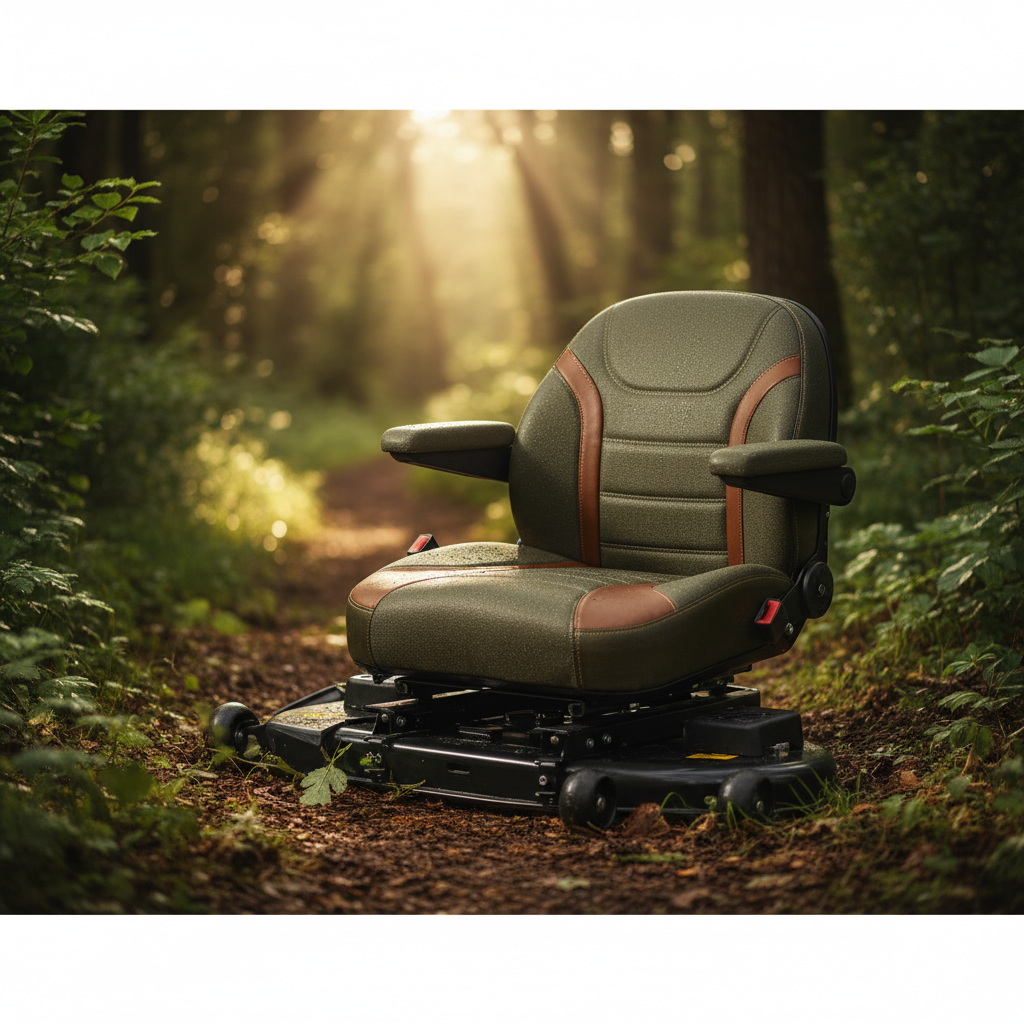
When evaluating tractor seat price, it is essential to look beyond the initial sticker cost and consider the total value provided by ergonomics and long-term durability. A tractor seat is more than just a component; it is the primary interface between the operator and the machine, directly impacting productivity and health during long hours of field operation.
Many operators face chronic back pain and fatigue due to poor seat support, which can lead to decreased operational efficiency and increased safety risks. The market offers a wide range of options, from basic mechanical seats to advanced air-suspension systems, each with distinct pricing tiers and performance benefits.
This guide provides a comprehensive analysis of what influences tractor seat price, how to select a seat that balances cost with ergonomic necessity, and the technical specifications that distinguish a premium replacement from a budget alternative.

1Understanding Factors Influencing Tractor Seat Price

The tractor seat price is primarily determined by the materials used in construction and the complexity of the suspension system. Basic seats utilize simple foam and steel frames, while higher-priced models incorporate high-density cold-molded foam and advanced alloys to withstand the rigorous vibrations typical of agricultural environments.
Suspension technology is the most significant price driver. Mechanical spring seats are affordable but provide limited damping. In contrast, air-suspension or hydraulic systems, which can be adjusted to the operator's specific weight, command a premium due to their ability to virtually eliminate low-frequency vibrations.
Additionally, certifications and safety standards add to the cost. Seats that meet international fire-retardant and ergonomic standards require more rigorous testing and higher-grade components, ensuring a safer and more sustainable investment for the fleet owner.
2Core Technical Features of High-Value Seating
High-value seats prioritize lumbar support and spinal alignment to reduce operator fatigue. Technical features often include adjustable backrests and seat depths, allowing the operator to customize the fit. This prevents the development of musculoskeletal disorders often associated with long-term tractor operation.
Durability is another critical technical pillar. Premium seats feature heavy-duty steel frames with anti-corrosion coatings, ensuring that the structure does not fail under heavy loads or in humid, muddy conditions. The use of reinforced stitching and wear-resistant upholstery prevents the seat from needing frequent replacement.
Modern seating solutions also integrate convenience features such as swivel mechanisms and silent auto-return systems. These allow for easier entry and exit from the cab and keep the work area clear, enhancing the overall workflow efficiency within the tractor cabin.
3Application Scenarios and Operator Requirements
The choice of a seat depends heavily on the specific application. For light-duty utility tractors used for short intervals, a mechanical seat with basic cushioning is often sufficient. In these scenarios, the lower tractor seat price is an advantage as the high-end suspension features would be underutilized.
However, for heavy-duty row-crop tractors or industrial machinery used for 10+ hours a day, the requirements shift toward maximum vibration isolation. Operators in these roles require air-ride seats that can absorb shocks from uneven terrain, which significantly reduces the physical toll on the body.
Environmental factors also play a role. Tractors operating in highly corrosive environments or extreme heat require upholstery that can breathe and resist chemical degradation. This specific requirement often leads users toward specialized PU leather or technical fabrics, increasing the total cost.
4Performance Comparison: Budget vs. Premium Seats
Comparing a budget seat to a premium one reveals a stark difference in operator endurance. Budget seats typically maintain comfort for only 2-3 hours before the foam compresses and the lack of suspension causes direct impact on the spine. This leads to a rapid decline in operator focus.
Premium seats, while having a higher tractor seat price, maintain their structural integrity and cushioning properties over thousands of hours of use. The ability to fine-tune the damping levels means the seat adapts to different operators, making it a more versatile asset for companies with multiple drivers.
tractor seat price Performance Metrics
When analyzing the ROI, the premium option often wins. The reduction in operator downtime and the extension of the seat's lifespan mean that the cost per hour of operation is actually lower than that of a cheap seat that must be replaced every two seasons.
5Procurement Guide for Tractor Seat Upgrades
When procuring new seats, the first step is to verify the mounting pattern and compatibility with the existing tractor frame. A seat that doesn't fit perfectly can create instability, negating any ergonomic benefits and potentially creating a safety hazard for the operator.
Next, evaluate the upholstery based on the climate of the operating region. In hot, humid areas, breathable fabrics are preferred over PU leather to prevent perspiration buildup. Conversely, in dusty or livestock-heavy environments, PU leather is superior due to its ease of cleaning.
Finally, consider the availability of spare parts. A seat with a proprietary suspension system that cannot be serviced locally can become a liability. Opting for designs with standardized components ensures that maintenance is quick and does not result in extended machine downtime.
6Future Trends in Agricultural Seating Innovation
The industry is moving toward "smart seating" that integrates sensors to monitor operator fatigue and posture. By utilizing pressure-mapping technology, future seats may automatically adjust their contour in real-time to redistribute pressure and prevent soreness during long shifts.
Sustainability is also influencing the tractor seat price. There is a growing shift toward eco-friendly, biodegradable foams and recycled polymers for the frame. While these materials initially cost more to develop, they offer a lower environmental footprint and often superior durability.
Integration with cabin climate control is another emerging trend. Heated and ventilated seats are no longer exclusive to passenger cars; they are becoming essential for operators in extreme climates to maintain core body temperature and focus.
7Comparative Analysis for Final Selection
Choosing the right seat requires a balance between the immediate tractor seat price and the long-term operational needs. For most professional agricultural setups, the "Mid-Range" or "Premium" options provide the best balance of cost and health protection.
The following table compares different seating tiers based on common procurement criteria to help buyers determine which category fits their specific operational profile.
| Seat Tier | Suspension Type | Primary Benefit | Typical Lifespan |
|---|---|---|---|
| Economy | Fixed/Mechanical | Low Initial Cost | 1-3 Years |
| Standard | Spring Suspension | General Comfort | 3-5 Years |
| Professional | Air/Hydraulic | High Vibration Damping | 5-8 Years |
| Premium | Active Air-Ride | Maximum Ergonomics | 8+ Years |
| Custom | Specialized Fit | Task-Specific Needs | Variable |
| Industrial | Heavy-Duty Steel | Extreme Durability | 10+ Years |
Ultimately, the investment in a high-quality seat is an investment in the operator. By reducing fatigue and preventing injury, companies can ensure higher quality work and better employee retention in a demanding industry.
Frequently Asked Questions
Conclusion
Selecting the right tractor seat is a critical decision that balances immediate tractor seat price against the long-term physical well-being of the operator. From understanding the technical differences between suspension systems to evaluating the durability of materials, the goal should be to minimize fatigue and maximize operational safety.
For those evaluating suitable seating solutions to improve their agricultural productivity, detailed product specifications and options can be reviewed at www.hebeichangshuo.com.cn to find the best fit for your machinery.