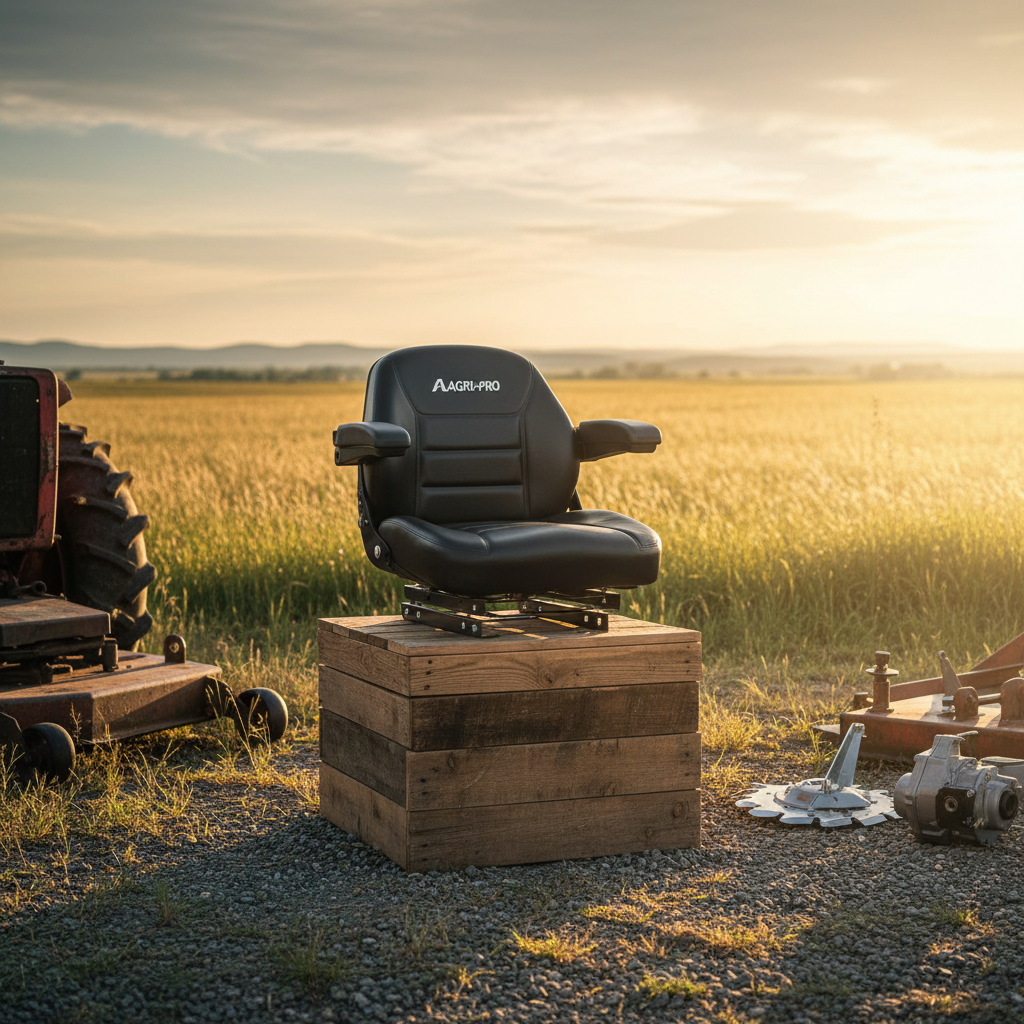
When it comes to maintaining sprawling lawns or managing industrial landscapes, the importance of a high-quality mower seat cannot be overstated. While often viewed as a simple accessory, the seating system is the primary interface between the operator and the machine, directly influencing fatigue levels, operational precision, and long-term spinal health. In an era where ergonomic standards are becoming paramount in agricultural and landscaping machinery, upgrading to a professional-grade seat is no longer a luxury but a necessity for productivity.
Globally, the demand for specialized seating in the outdoor power equipment (OPE) sector has surged as professional landscaping services expand across North America, Europe, and Asia. The shift toward larger zero-turn mowers and heavy-duty tractor units has necessitated a redesign of the mower seat to handle higher vibration frequencies and varied operator weights. Ensuring that these components meet ISO standards for vibration reduction is critical to preventing occupational injuries among operators who spend eight to ten hours a day in the field.
Understanding the nuances of seating technology—from suspension mechanisms to weather-resistant polymer shells—allows fleet managers and homeowners alike to maximize the lifespan of their equipment. By focusing on the synergy between the seat's structural integrity and its ergonomic support, users can achieve a seamless operational experience. This guide explores the technical evolution, material science, and practical applications of the modern mower seat to help you make an informed procurement decision.
Global Industry Relevance of Mower Seats
The global market for outdoor power equipment has seen a steady climb, with a particular emphasis on operator comfort. As urban green spaces expand and industrial farming becomes more mechanized, the mower seat has evolved from a basic plastic shell to a sophisticated piece of engineering. Modern industry data suggests that improper seating is a leading cause of lower back pain among commercial mower operators, driving a shift toward high-density foam and adjustable suspension systems.
This evolution is mirrored in the stringent safety regulations adopted by international bodies, where the stability and shock absorption of the seat are scrutinized to prevent "operator bounce" during high-speed maneuvers. By integrating advanced materials, manufacturers are now providing seating solutions that not only enhance comfort but also increase the overall safety and efficiency of the machinery in diverse terrains across the globe.
Technical Definition and Industrial Significance
In technical terms, a mower seat is a specialized ergonomic interface designed to support the human operator while absorbing the kinetic energy generated by the mower's engine and the unevenness of the terrain. Unlike standard chairs, these seats are engineered to withstand extreme UV exposure, moisture, and chemical spills, utilizing heavy-duty vinyl or reinforced polymers that prevent cracking and degradation over years of outdoor use.
The industrial significance of a well-designed seat lies in its ability to reduce "whole-body vibration" (WBV). When an operator is exposed to continuous vibration, it leads to muscular fatigue and cognitive decline, which can result in operational errors. Therefore, the engineering of the seat's base—whether it utilizes a mechanical spring or a pneumatic damper—is critical for maintaining the operator's alertness and physical wellbeing during long shifts.
Furthermore, the integration of the mower seat into the machine's safety circuit is a vital modern requirement. Many professional units now feature "operator presence systems" (OPS), where a sensor embedded in the seat ensures that the blades automatically disengage the moment the operator leaves the seat, preventing thousands of potential accidents annually in both residential and commercial sectors.
Core Components for Enhanced Durability
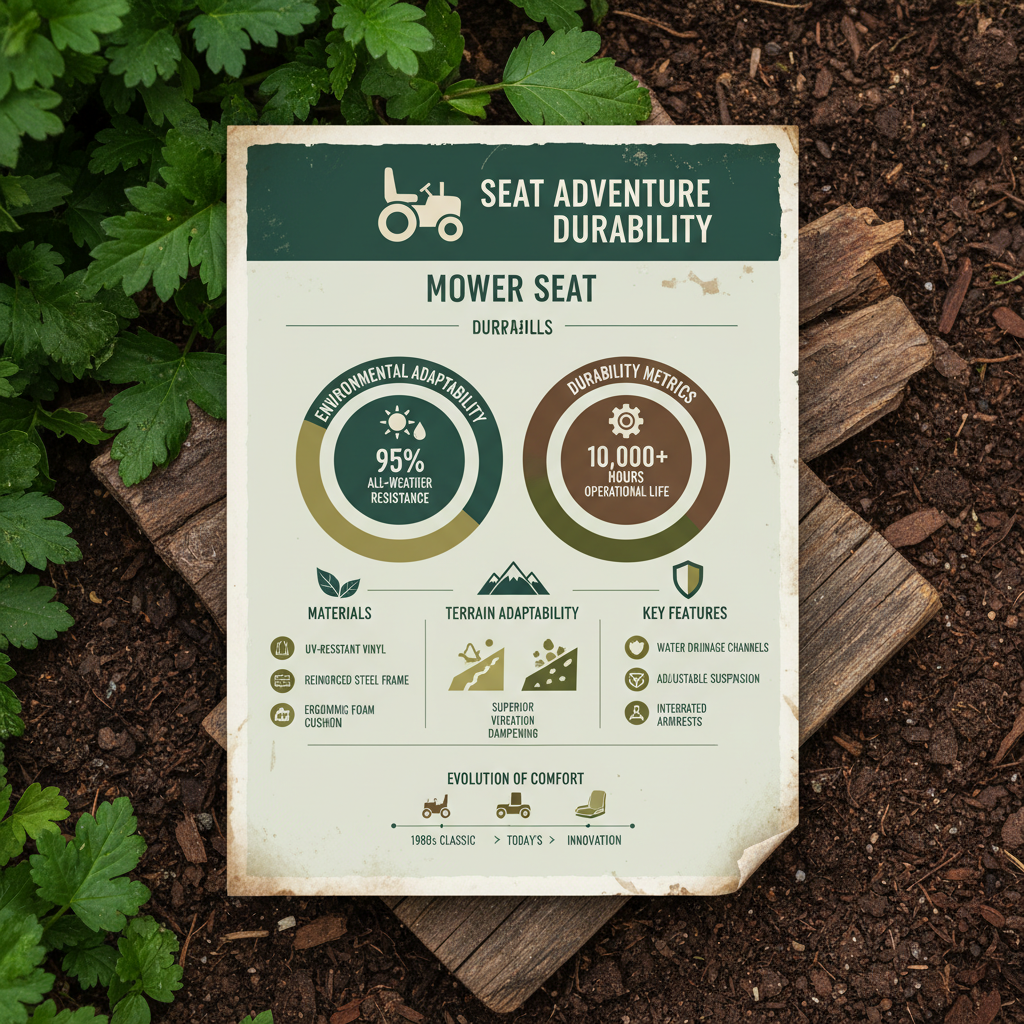
The durability of a mower seat begins with the selection of the outer cover material. High-grade marine vinyl is often preferred because it provides a waterproof barrier while remaining breathable enough to prevent heat buildup. This ensures that the interior cushioning remains dry and free from mold, even in humid tropical environments or during rainy seasons.
Underneath the surface, the core consists of multi-layered foam densities. A soft top layer provides immediate comfort, while a high-density base layer prevents the operator from "bottoming out" against the hard frame. This stratified approach to the mower seat construction is essential for distributing weight evenly across the pelvis and thighs, reducing pressure points.
Finally, the mounting bracket and suspension assembly provide the structural backbone. Utilizing powder-coated steel or reinforced aluminum prevents corrosion and ensures that the seat remains securely anchored despite constant movement. The synergy of these three components—the weather-proof skin, the dual-density foam, and the rugged frame—defines the operational lifespan of the equipment.
Performance Metrics and Ergonomic Ratings
Evaluating the quality of a mower seat requires a data-driven approach. Engineers typically measure performance based on lumbar support angles, shock absorption coefficients, and breathability indices. A seat that provides a natural curvature for the spine reduces the risk of musculoskeletal disorders, which is a primary concern for professional landscaping firms managing large fleets of equipment.
By comparing different seating technologies, we can see a clear correlation between the type of suspension and operator endurance. Pneumatic systems generally score higher in comfort but require more maintenance, whereas mechanical springs offer rugged reliability for extreme industrial use. The following chart illustrates the comparative ratings of various seating configurations based on user feedback and ergonomic testing.
Comparative Performance Ratings for Mower Seat Types
Global Applications in Landscaping and Agriculture
The practical application of a high-performance mower seat varies significantly across different global regions. In North America, where vast suburban lawns are common, there is a high demand for plush, wide seats on zero-turn mowers that allow for rapid turning and high-speed operation. Here, the focus is on reducing fatigue during repetitive patterns of movement across expansive residential estates.
Conversely, in European agricultural sectors and remote industrial zones, the emphasis shifts toward ruggedness and versatility. Mower seats in these regions are often integrated into multipurpose tractors used for vineyard maintenance or hillside mowing. In these challenging terrains, the seat must provide lateral support to keep the operator stable on inclines, blending the comfort of a leisure seat with the stability of an industrial cockpit.
Long-term Value and Operational Safety
Investing in a premium mower seat yields tangible long-term value by extending the working life of the operator. When fatigue is minimized, the precision of the cut improves, and the likelihood of accidents decreases. From a business perspective, this translates to lower insurance premiums and reduced employee turnover, as operators are more likely to remain satisfied in a job that doesn't cause chronic physical pain.
Beyond the physical, there is an emotional component to quality seating: dignity and trust. An operator who feels supported by their equipment is more confident in their ability to handle complex tasks. The sense of reliability provided by a sturdy seat allows the user to focus entirely on the landscape, knowing that their equipment is designed to protect them from the harsh realities of the outdoor environment.
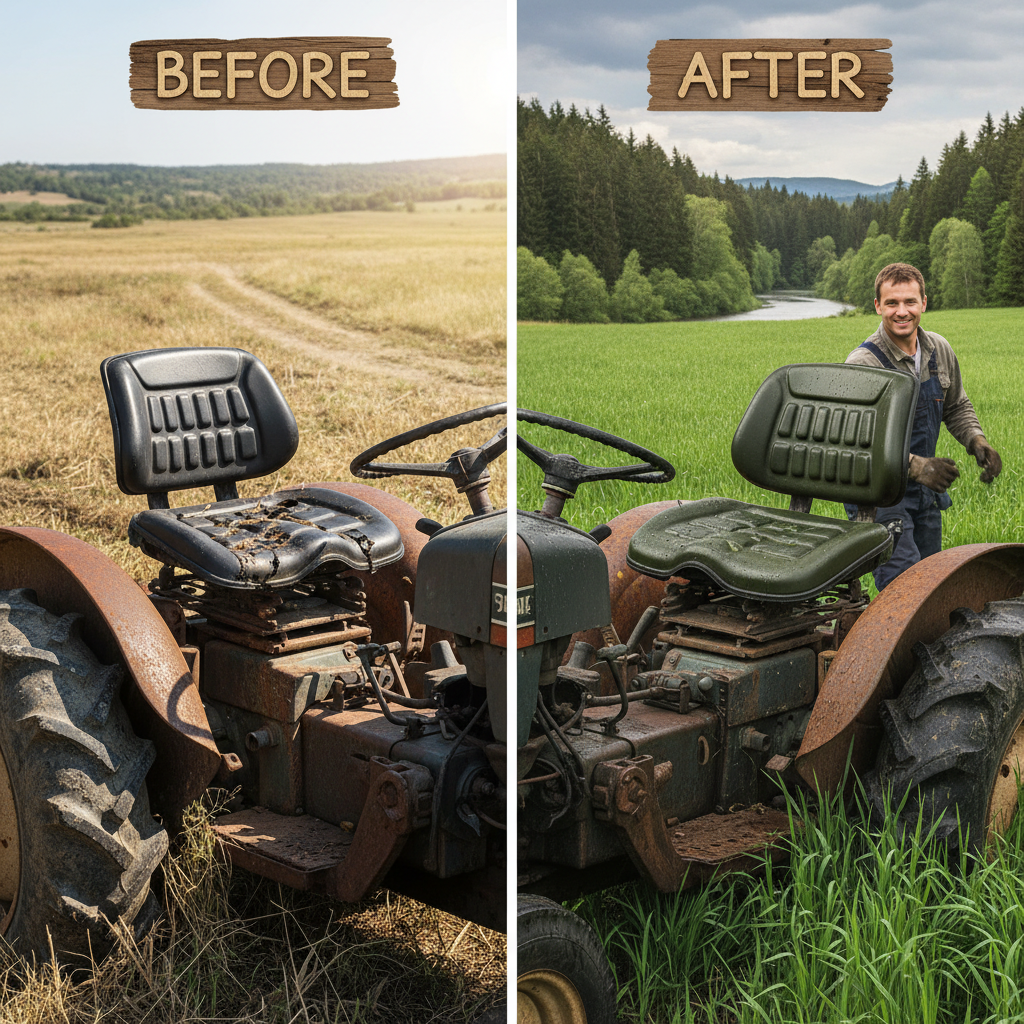
Furthermore, the sustainability of using high-quality materials reduces the frequency of replacements. Cheap seats often crack within two seasons, contributing to landfill waste. A professional-grade mower seat, built with UV-stabilized polymers, can last a decade, proving that higher initial costs lead to lower total cost of ownership (TCO) and a smaller environmental footprint.
Future Trends in Seating Innovation
The future of the mower seat is inextricably linked to the digital transformation of agriculture. We are seeing the emergence of "smart seats" equipped with integrated pressure sensors that can monitor operator posture in real-time and provide alerts when it's time to take a break. These sensors can also sync with the mower's onboard computer to adjust suspension stiffness automatically based on the roughness of the terrain detected by the front wheels.
Material science is also pivoting toward bio-based polymers and recycled ocean plastics, aiming to make the manufacturing process carbon-neutral. Future seating will likely incorporate phase-change materials (PCMs) that regulate temperature, keeping the seat cool in the blistering heat of July and warm during early spring mowing, further enhancing operator comfort without requiring active electrical cooling systems.
As automation and autonomous mowing continue to grow, the role of the seat may shift toward a supervisory station. Even in semi-autonomous systems, the human operator remains a critical fail-safe. Therefore, the next generation of mower seat designs will likely focus on a "command center" approach, integrating control interfaces directly into the armrests to streamline the interaction between human and machine.
Comparative Analysis of Mower Seat Material and Technology Trends
| Material Type |
Durability Score (1-10) |
Eco-Friendliness |
Primary Use Case |
| Standard PVC Vinyl |
5 |
Low |
Residential Low-Use |
| Marine Grade Vinyl |
8 |
Medium |
Commercial Landscaping |
| Reinforced Polymer |
9 |
Medium |
Industrial Tractors |
| Recycled Bio-Plastic |
7 |
High |
Eco-Conscious Brands |
| Synthetic Leather |
6 |
Medium |
Premium Luxury Mowers |
| Composite Mesh |
7 |
High |
High-Heat Environments |
FAQS
You should consider replacing your mower seat if you notice visible cracks in the vinyl, a significant loss of cushioning (bottoming out), or if the suspension no longer absorbs shocks. Additionally, if the safety sensor (OPS) is malfunctioning due to seat wear, immediate replacement is required for operator safety.
Yes, for professional operators. While spring seats are durable, pneumatic air seats allow for adjustable damping based on the operator's weight. This significantly reduces the transmission of vibrations to the spine, which is crucial for preventing long-term back injuries during 8+ hour workdays.
Many seats are designed as "universal," but you must verify the bolt pattern and the height of the mounting bracket. It is highly recommended to check the specifications of your mower seat against your machine's manual to ensure the safety sensors remain aligned and functional.
The best way to protect your seat is to store the mower in a shaded area or use a breathable equipment cover. Periodically applying a UV-protectant vinyl conditioner can also help maintain the elasticity of the material, preventing the sun from drying out the polymers.
Standard foam collapses quickly under pressure and loses its shape. High-density foam used in premium mower seat models provides consistent support and "push-back," ensuring that the operator's weight is distributed evenly and the seat doesn't sag over time.
Indirectly, yes. By reducing physical fatigue and instability, a luxury seat allows the operator to maintain a more consistent posture and better control over the steering levers. When the operator is comfortable, they can focus more on the quality of the cut rather than their own discomfort.
Conclusion
In summary, the mower seat is a critical component that bridges the gap between mechanical power and human operation. From the selection of UV-resistant marine vinyl to the implementation of pneumatic suspension systems, every design choice directly impacts operator health, safety, and overall productivity. By prioritizing ergonomics and durability, users can ensure that their equipment remains efficient and their physical well-being is protected over years of service.
Looking forward, the integration of smart sensors and sustainable bio-materials will continue to redefine the standards of outdoor power equipment. We encourage fleet managers and homeowners to view seating not as a consumable part, but as a strategic investment in operational excellence. For high-quality seating solutions and professional equipment components, visit our website: www.changshuokj.com.