
Turkey's agricultural sector is characterized by a vast array of terrains and crop types, requiring robust agriculture parts that can withstand intensive use. From the fertile soil of the Marmara region to the expansive fields of the interior, the reliance on mechanical reliability is absolute. The industry is currently shifting toward higher efficiency, which places immense pressure on existing equipment, making the availability of precise, high-quality spare parts a critical factor for seasonal success.
Beyond the machinery itself, the electrification of rural Turkey is a primary driver of growth. The integration of high-voltage cables for irrigation systems and greenhouse climate control requires materials that resist environmental degradation. When farmers seek tractor parts for agriculture, they are often also upgrading their power distribution to support new automated technologies, creating a combined demand for both mechanical endurance and electrical conductivity.
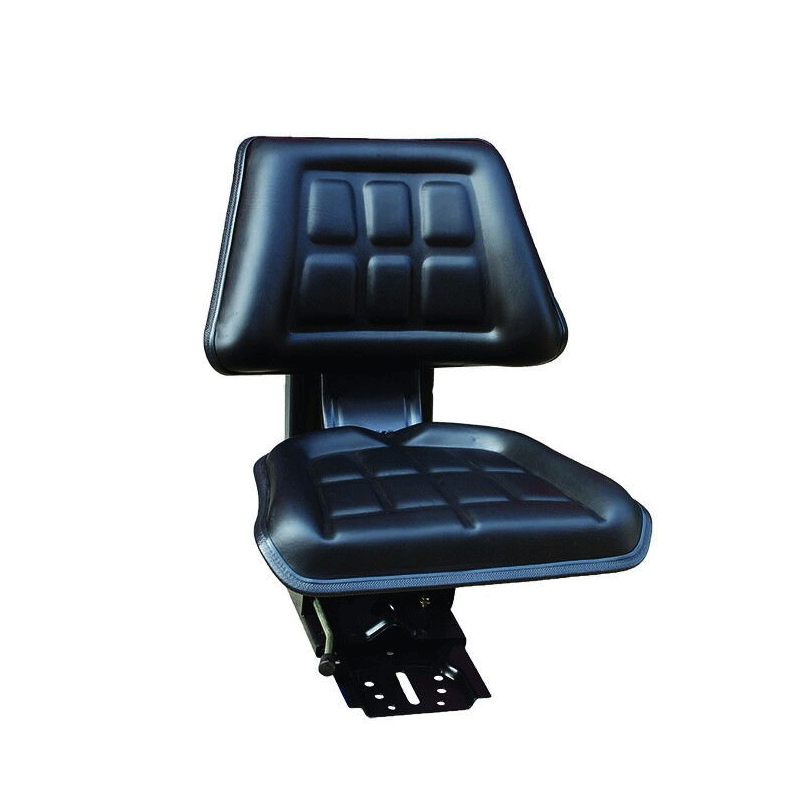
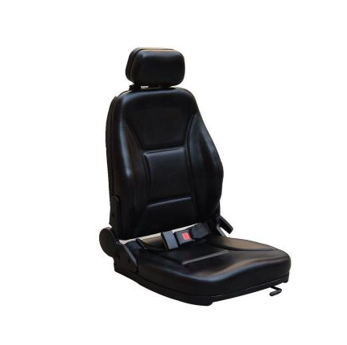
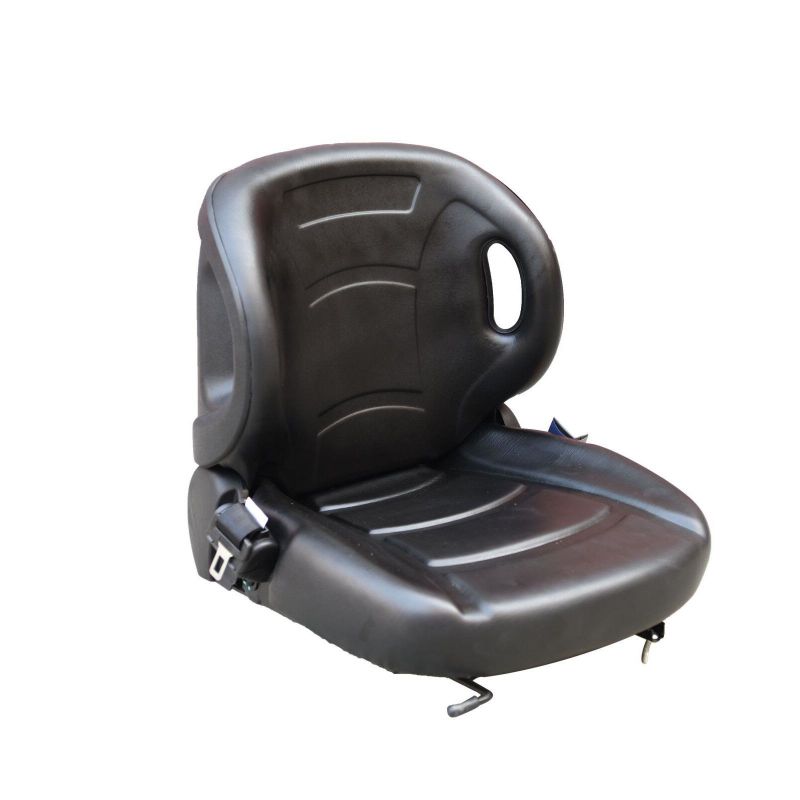
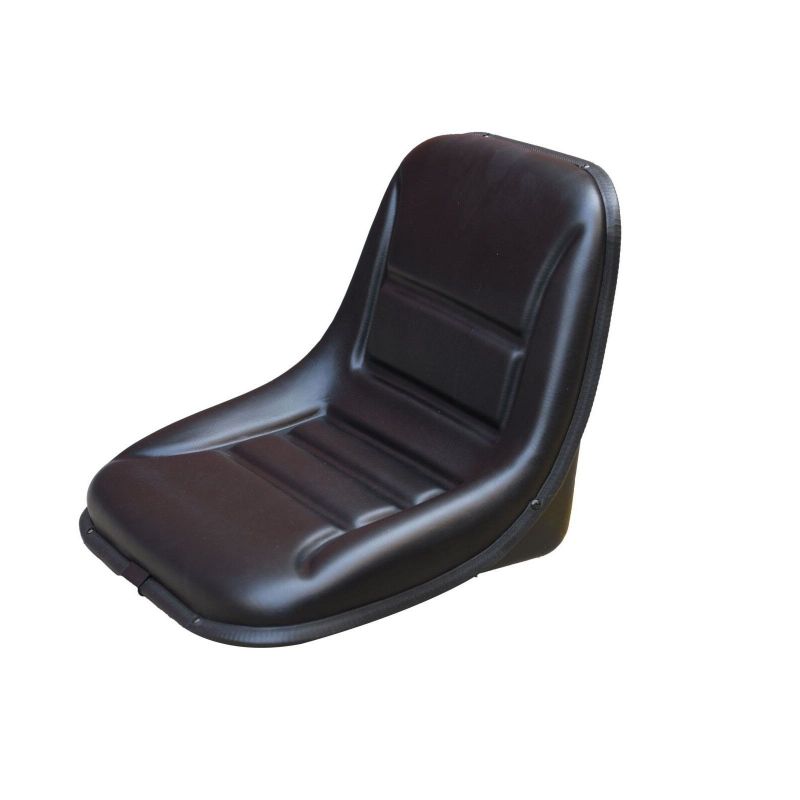
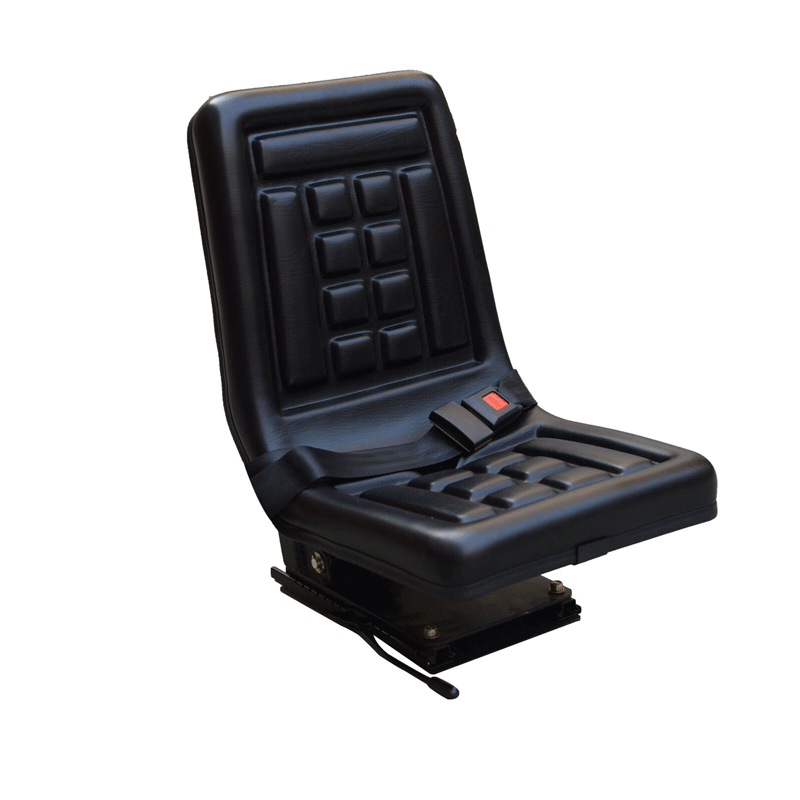
From a procurement perspective, Turkish enterprises are increasingly prioritizing long-term value over initial cost. This shift is evident in the demand for specialized components like the loader seat, where ergonomic design reduces operator fatigue and increases daily operational hours. As the regional supply chain evolves, the ability to source integrated solutions—covering both the electrical power lines and the mechanical hardware—becomes a competitive advantage for large-scale farming operations.